


St. Jude’s Family Projects
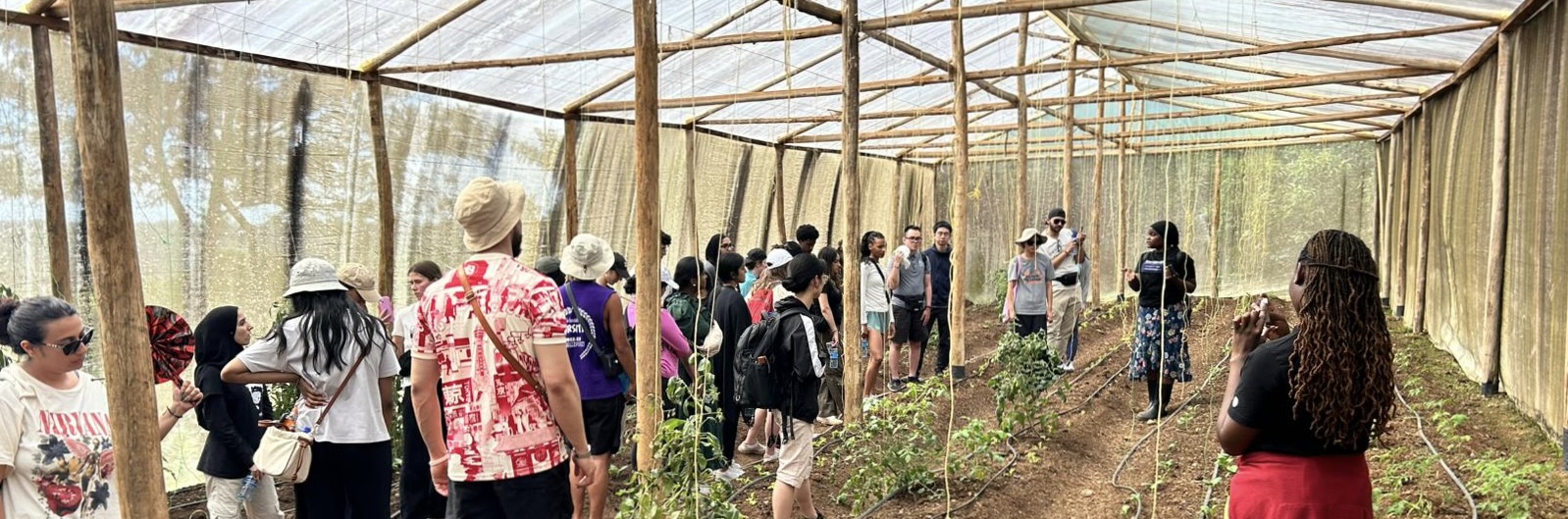
Born from the resilience of Josephine and Daniel amid the 1986 Masaka–Kampala conflict, St. Jude’s evolved from a small family farm into a nationally registered NGO (1997) and, more recently, an Agricultural Foundational Institute (2020). Located in the fertile Masaka region, the project teaches families—especially women widowed by HIV and other crises—how to maximize fragmented land through integrated, organic farming. By combining crop and livestock systems, St. Jude’s empowers over 35,000 farmers with locally sourced pest controls, water-harvesting techniques, and climate-resilient practices like tree nursery programs and biogas production. Their two-year certificate program trains youth (18–35) who then return to teach their home communities, while partnerships with German funders and Western University support ongoing outreach and capacity building.
St. Jude’s commitment to “people first” extends beyond agriculture: community outreach days offer immunizations, nutrition education, and maternal-health counseling, all delivered by trusted local facilitators. On-site, a small museum celebrates the founders’ journey, and hands-on demonstrations—urban garden rings, kitchen gardens, beehives, fish ponds, poultry and pig rearing—showcase sustainable, zero-waste systems that underpin both food security and income generation.
Student Opportunities at St. Jude’s:
-
Observe integrated organic farming demonstrations
-
Assist in community training sessions for female farmers
-
Support youth certificate program teaching and mentorship
-
Participate in outreach days (immunization, nutrition, counseling)
-
Help document zero-waste and small-scale livestock systems
-
Engage with families on household food-security solutions