

EDID Series
About the Series
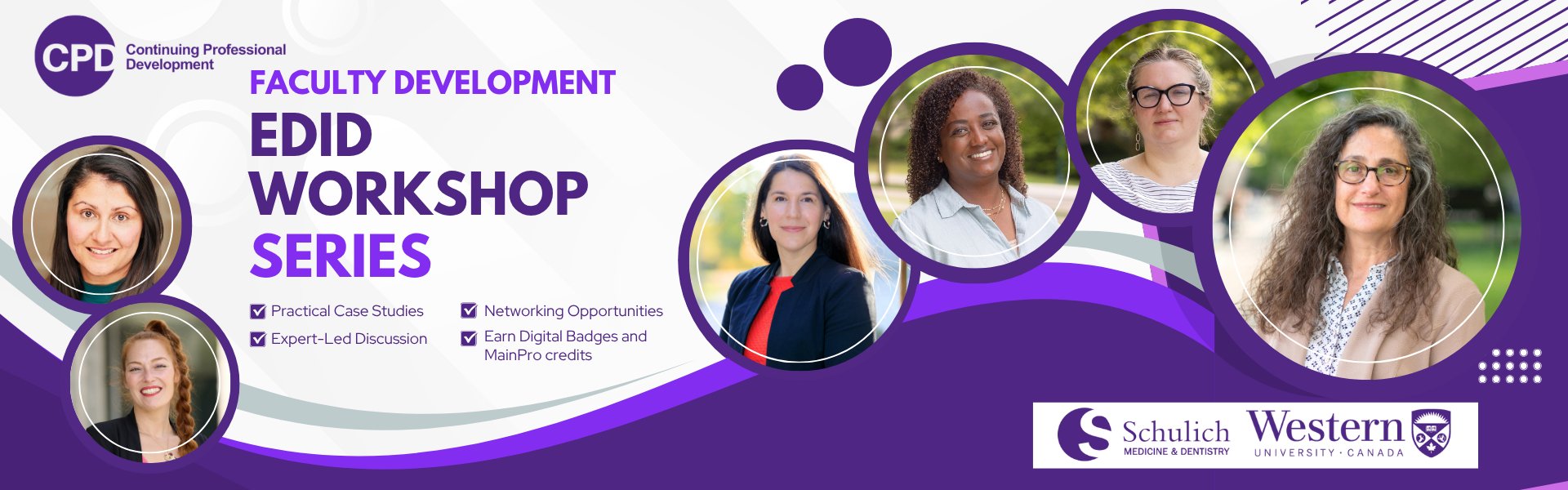
The EDID Workshop Series was created through a collaborative effort between Schulich’s Continuing Professional Development (CPD) team and the Office of Equity and Social Accountability (ESA) in response to clear faculty demand for more equity‑focused professional development. Informed by a needs assessment and survey feedback, the series aims to break down silos, leverage expertise across campus, and build faculty capacity through flexible, accessible learning opportunities. Designed for physicians, dentists, health professions educators, and researchers across clinical and basic science departments, the series integrates equity-centred teaching into existing educational spaces and provides a dedicated forum to explore topics such as accessibility, inclusion, cultural humility, anti‑racism, bias, decolonization, and professional responsibility.
Vision
To create transformative spaces for dialogue, learning, and growth that advance inclusive excellence in medical education, empowering faculty to lead equity-driven changes across disciplines and communities.
Mission
To amplify innovative EDID-focused practices within our community and foster meaningful engagement across all areas of medical education and research. Through collaborative workshops, we aim to equip faculty with the knowledge, skills, and strategies needed to embed equity, diversity, inclusion, and decolonization into teaching, clinical care, and scholarship.

2026-2027 Scheduled Sessions and Speaker Information
Connecting with your Inner Upstander During Medical Education and Research
Description:
This interactive workshop introduces medical educators to forms of bias that can influence career choices, empathy for others experiencing bias, a moral duty to respond to unfair acts, and learning the best approaches for intervention. The session will also explore links between biased behaviors and patient outcomes.
Participants will engage in guided individual reflection and facilitated collective dialogue to examine their own experiences and responses when encountering bias, and lessons learned during these incidents. The session also includes discussion on how a culture of bias might influence clinical care.
The workshop concludes with practical discussion to extend participant reflections into identifying strategies to address bias when encountered in their clinical practices.
Learning Objectives:
- Identify how bias and discrimination may manifest from childhood through medical practice.
- Analyze the connection between personal experience and patient-centered, decolonized healthcare outcomes.
- Apply concrete language and strategies for intervening as an upstander, not a bystander.
- Formulate one specific action you will carry back into your own clinical or academic setting.
Workshop facilitated by:
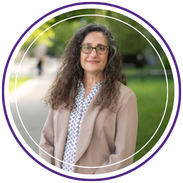 |
Robyn Klein, MD, PhD (she/her) (Canada Excellence Research Chair in Neurovirology & Neuroimmunology) (Director, Neuroimmunology Pillar, Western Institute of Neuroscience) (Professor, Department of Medicine, Microbiology & Immunology, Western Institute of Neuroscience) |
Date:Monday, September 21, 2026 |
Time:2:30 PM - 4:00 PM |
Location:HSA 101 |
View the event poster: |
Towards Allyship and Partnerships in Indigenous Research
Description:
Building on two new Western University resources, Centering Indigenous Voices: A Guide Towards Allyship in Indigenous Research and online module Towards Allyship and Partnerships in Indigenous Research, this workshop helps the Western community move from awareness to action by exploring allyship, self-reflection, ethical research relationships, reciprocity, and community-engaged approaches to Indigenous research. The module emphasizes that allyship is an ongoing practice grounded in humility, accountability, self-education, reciprocity, and centering Indigenous voices.
Learning Objectives:
- Describe meaningful allyship in Indigenous research and distinguish it from performative allyship.
- Reflect on positionality and responsibilities as researchers.
- Identify principles of respectful and reciprocal engagement with Indigenous communities, patients, organizations, and associations.
- Apply allyship principles to realistic research scenarios.
- Create one concrete action that can be applied to own research practice.
Workshop facilitated by:
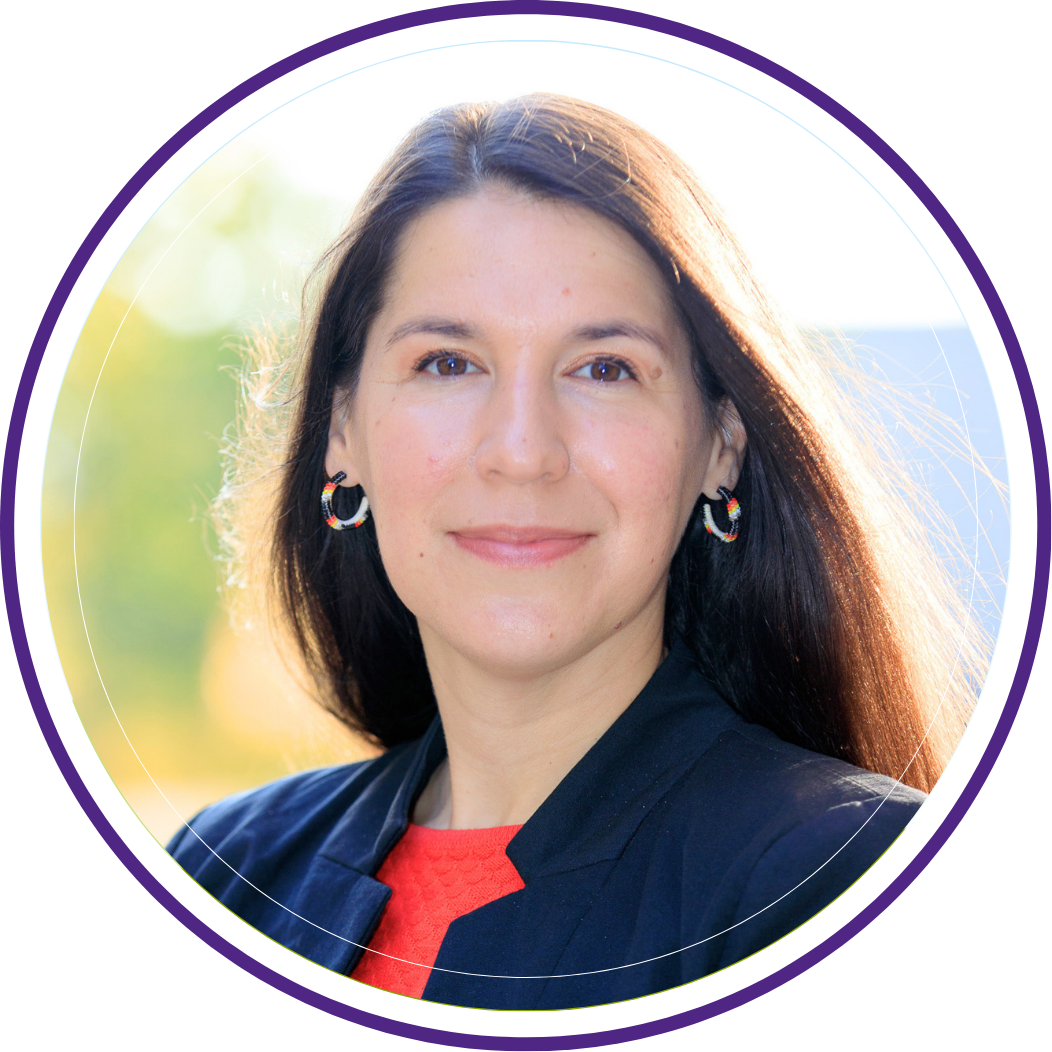 |
Katie Big-Canoe (she/her) Indigenous Research Specialist Western Research, Western University MA, Health Geography (Western University) |
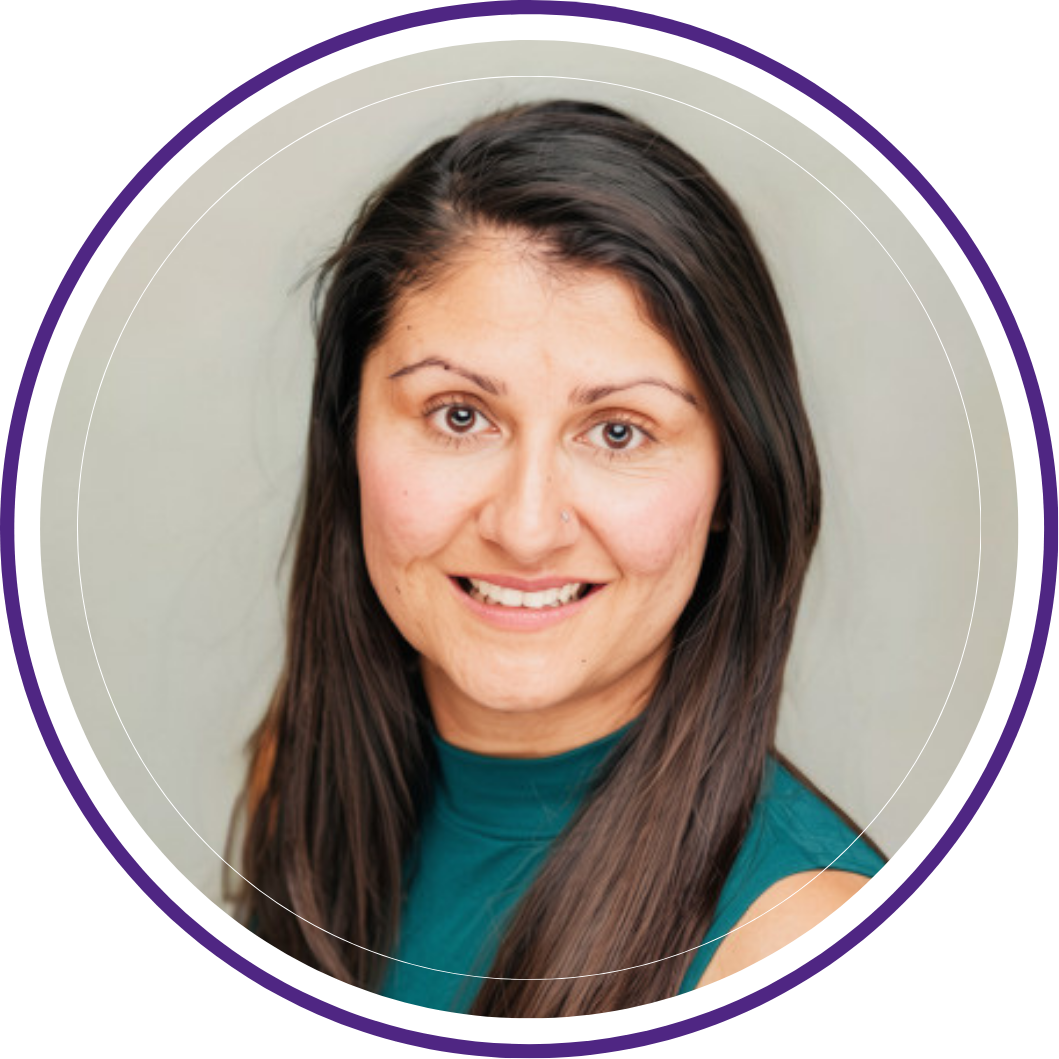 |
Mariam Hayward (she/her) Director, Inclusive Research Excellence and Impact Western Research, Western University MSc, Psychology (Western University) |
Date:Monday, November 9, 2026 |
Time:12:00 PM - 1:30 PM |
Location:HSA 101 |
View the event poster: |
An Intersectional Approach to Inclusion in Medical Education and Practice
Description:
This interactive workshop invites participants to consider how inequitable social designs and structures impact the ability of individuals and communities to participate meaningfully, have their lived experiences recognized, and exercise individual and collective agency.
In this session, we will invite consideration of anti-oppressive practices and their application to educational and health care spaces, focusing on the importance of intersectionality. We will start by considering how our own situated knowledge shapes our approach to inclusive practice, including the assumptions, experiences and social locations we bring to our work. We will then examine how different frameworks for inclusion understand the problem of exclusion differently, focusing on different concerns, possibilities, and goals. Approaches to inclusive practice are often situated along single-axis issues, considering and attempting to address one form of discrimination (e.g. racism, sexism, ableism, and so forth) at a time. We will discuss the possibilities, practicalities, and limitations of an intersectional approach to anti-oppressive practice, recognizing that all systems of oppression are interlocking, mutually constituting, and compounded.
The session provides opportunities for reflection, extending this discussion into both educational and clinical contexts. We will discuss key considerations for practice, with attention to how practitioners can develop or expand their own anti-oppressive practices in ways that are contextually appropriate and acknowledge how experiences of exclusion are diverse and complex.
Learning Objectives:
- Examine their own orientation toward inclusive practices through critical self-reflection.
- Critically examine how multiple systems of oppression overlap, impacting experiences of both health education and health care practice.
- Compare how different single-axis inclusion frameworks approach the problem of exclusion.
- Identify the impact of single-axis framings of oppression on creating more inclusive learning or health care environments.
- Assess how a multi-lensed approach to anti-oppressive practice may increase experiences of inclusion and belonging in educational and health care spaces.
Workshop facilitated by:
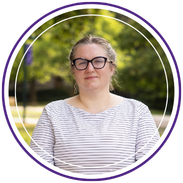 |
Dani Dilkes, PhD (she/her) PhD, Curriculum & Pedagogy; Knowledge Media Design (University of Toronto) MEd, Applied Linguistics (Open University) MSc, Social Anthropology (University of Edinburgh) |
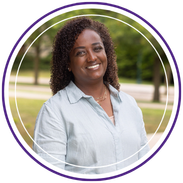 |
Nassisse Solomon, PhD (she/her) PhD, History specializing in Migration and Ethnic Relations (Western University) MA, History and Migration Ethnic Relations (Western University) |
Date:Thursday, November 19, 2026 |
Time:1:30 PM - 3:00 PM |
Location:ONLINE |
View the event poster: |
2025-2026 Workshop & Speaker Information
Positionality, Power, and Practice: Navigating Identity and Power in Medical Education and Clinical Care
Description:
This interactive workshop introduces medical educators to concepts including, social identity, privilege, power, oppression, positionality, intersectionality, and implicit bias, and explores how these concepts shape both educational practice and clinical care.
Participants will engage in guided individual reflection and facilitated collective dialogue to examine how their own social positioning influences curriculum design, teaching interactions, assessment practices, and relationships with learners. The session also explicitly extends this reflection into clinical contexts, inviting participants to consider how positionality and power shape patient–provider relationships, interprofessional teams, and healthcare spaces.
The workshop concludes with a practical discussion focused on navigating power imbalances in medical education and clinical practice, with attention to ethical responsibility, professional accountability, and creating safer, more equitable learning and care environments.
Learning Objectives:
- Examine key concepts related to social identity, power, privilege, oppression, positionality, and intersectionality within the contexts of medical education and healthcare practice.
- Reflect critically on their own social identities and professional roles, and how these intersect with institutional and societal power structures.
- Analyze how positionality shapes teaching and assessment practices, learner–educator relationships, and clinical decision-making and patient interactions.
- Identify ways in which power imbalances emerge in classrooms, clinical learning environments, and patient care settings.
- Discuss strategies for navigating and mitigating power imbalances in curriculum design and delivery; supervision, evaluation, and feedback; and clinical encounters and interprofessional collaboration.
Workshop facilitated by:
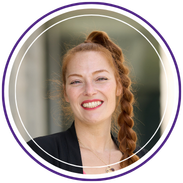 |
Ashley McKeown (she/her) (Lecturer and Teaching Fellow - Arthur Labatt Family School of Nursing, Faculty of Health Sciences) (Co-Chair DARAO (Decolonization Anti-Racism Anti-Oppression Committee - Arthur Labatt Family School of Nursing, Faculty of Health Sciences, Western University) |
Embedding Equity: A Hands-On Workshop Using the EDIDA Bias Checklist
Description:
Creating inclusive, accessible, and bias-aware learning environments is essential to supporting all learners—and it starts with the materials we design. This interactive workshop introduces participants to the EDIDA Bias Checklist, a practical tool developed to help educators identify, question, and address forms of bias that may appear in slide decks, instructional interactions, clinical vignettes, and assessment questions.
We will walk through the purpose, structure, and development of the EDIDA Bias Checklist, including a live demonstration of how to navigate and use the resource. The core of the session focuses on real-time application. In small breakout groups, participants will examine sample educational materials and use the checklist to identify potential concerns, gaps, or opportunities for improvement. Groups will reconvene to share challenges, insights, and revised examples, building a collective understanding of how EDIDA principles can meaningfully shape teaching content. This session is designed to be collaborative, reflective, and immediately applicable for anyone involved in teaching or assessment.
Learning Objectives:
By the end of this workshop, participants will be able to:
- Describe the purpose, scope, and structure of the EDIDA Bias Checklist and explain how it supports the creation of inclusive and bias-aware educational materials.
- Identify forms of bias and opportunities for improvement in teaching slides, clinical vignettes, and assessment questions using the EDIDA Bias Checklist.
- Apply the checklist in small-group settings to critically review sample materials and propose concrete revisions.
- Reflect on their own teaching or assessment practices.
- Engage in constructive, collaborative discussion about challenges and best practices in addressing bias.
Workshop facilitated by:
 |
Andrew Deweyert, Ph.D. (he/him) (Assistant Professor - Department of Anatomy & Cell Biology, Western University) |
Who, What, Where, and How? Data that Informs Equity, Diversity, and Inclusion
Description:
Institutions and researchers alike are often encouraged to integrate equity, diversity, and inclusion principles into their processes, procedures, and/or policies. Although there has been a lot of work within research governing bodies (e.g., CIHR, NSERC) and universities to educate individuals on the various barriers and biases that exist—and how to address them—there is still a lack of clarity for how data related to EDI should be collected and used. In this workshop we will discuss 1) the recent history of demographic data collection in post-secondary institutions, 2) the challenges and best practices for designing EDI-related survey questions, and 3) the need for clarity in reporting. Through real-life examples and case studies, attendees will gain practical insights into the process of EDI-related data collection, interpretation, and reporting.
Learning Objectives:
- Understand the recent history of demographic data collection at Western and postsecondary institutions in Canada.
- Identify and address challenges related to EDI-related data collection, interpretation, and reporting.
- Gain insights into best practices for collecting EDI-related data for research or quality assurance purposes.
Workshop facilitated by:
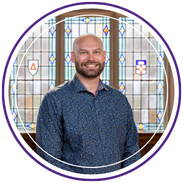 |
Michael Godfrey, Ph.D. (he/him) (EDI Data Analyst - Office of Institutional Planning & Budgeting, Western University) |
Inclusion is a Verb: From Intent to Impact
Description:
This interactive workshop explores what it means to actively practice inclusion in everyday interactions. Grounded in the principles of psychological safety, participants will examine the small yet powerful behaviours that create a sense of belonging and trust in teams, classrooms, and communities. Whether you're a leader, educator, or team member, this session offers tools to shift inclusion from a concept to a consistent, lived experience.
Learning Objectives:
- Recognize the stages of psychological safety and analyze how inclusion, learner, contributor, and challenger safety support active participation and equity in group settings.
- Identify key behaviours that demonstrate inclusion through microaffirmations.
- Apply inclusive communication strategies to real-life examples in order to foster a psychologically safe and inclusive environment.
Workshop facilitated by:
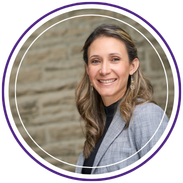 |
Ana Boller, Ph.D. (she/her) (Senior Learning Specialist - Office of Equity, Diversity, and Inclusion, Western University) |
Beyond Bias: Unconscious Bias and Cultural Humility in Medical Education and Practice
Description:
This interactive workshop explores how unconscious bias influences clinical care, teaching, assessment, and professional interactions, and how cultural humility offers a practical framework for responding to these biases in meaningful and sustainable ways. Rather than framing bias as a personal failing, the session positions it as a universal cognitive process that requires ongoing reflection, awareness, and intentional practice.
Participants will engage in facilitated reflective activities and applied scenarios that surface common assumptions and patterns of thinking that can shape decision-making in healthcare and academic environments. Through guided discussion, participants will examine how unconscious bias may affect learner assessment, patient interactions, team dynamics, and institutional culture.
Central to the session is the concept of cultural humility, emphasizing lifelong learning, curiosity, and recognition of power imbalances rather than mastery or expertise. Participants will explore how cultural humility differs from cultural competence and how it can be integrated into everyday professional practice.
The workshop prioritizes psychological safety and dialogue, encouraging participants to pause, reflect, and respond more thoughtfully in moments where bias may influence judgment. Practical strategies are provided to support more inclusive, respectful, and equitable learning and care environments.
Learning Objectives:
By the end of this workshop, participants will be able to:
- Identify common forms of unconscious bias and describe how they may influence clinical care, teaching, assessment, and professional interactions.
- Reflect on personal assumptions and cognitive shortcuts that may shape decision-making in healthcare and academic settings.
- Evaluate barriers to adopting descriptive, inclusive terminology at individual, curricular, and institutional levels.
- Differentiate between cultural competence and cultural humility, recognizing the role of humility in addressing power imbalances and bias.
- Apply practical strategies grounded in cultural humility to mitigate the impact of unconscious bias in everyday clinical, educational, and leadership contexts.
Workshop facilitated by:
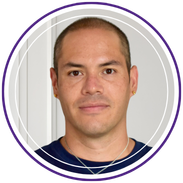 |
Aldo Espinosa, MD, MPE (he/him) (Anesthesiologist – London Health Sciences Centre, University Hospital) (Assistant Professor – Department of Anesthesia & Perioperative Medicine, Schulich School of Medicine & Dentistry, Western University) (Director – Undergraduate Anesthesia Education) |
Health Equity Through an Experiential Lens
Description:
This session explores health equity through the lived experiences of people from equity-deserving communities and their interactions with health service providers. Drawing on real-world stories and practice-based examples, learners will examine where gaps emerge in care, communication, and decision-making, and how these gaps shape patient experiences and outcomes. The session equips participants with practical tools to recognize inequities, reflect on their own practice, and take concrete steps to bridge these gaps in everyday clinical and professional settings.
Learning Objectives:
By the end of this workshop, participants will be able to:
- Explain health equity and describe how everyday interactions with health service providers can reinforce inequities for equity-deserving communities.
- Identify common gaps in care, communication, and decision-making that contribute to inequitable patient experiences and outcomes.
- Reflect on their own professional practice to recognize how bias, power, and systems shape patient interactions.
- Apply practical, evidence-informed strategies to bridge gaps and advance equitable, culturally safer care in clinical and academic settings.
Workshop facilitated by:
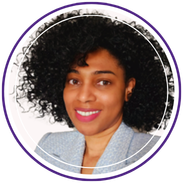 |
Sarita Addy, Ph.D. (she/her) (Director – Equity, Diversity, Inclusion and Belonging (EDIB), St. Joseph’s Health Care London) (Co‑Lead – EDIB Advisory Council; Contributor – City of London Anti‑Hate Steering Committee) |
Why Does EDI Matter in Health Professions Education? An Introduction for Educators
Description:
Have you ever wondered about the evidence around why EDI matters in healthcare and health professions education, or struggled with what to do as an educator? This workshop mixes didactic teaching with interactive discussions to review the existing evidence and reflect on what each educator can do to support EDI efforts in their teaching practice.
Learning Objectives:
By the end of this workshop, participants will be able to:
- Understand the importance of diversity, equity, and inclusion within the health professions and healthcare.
- Understand the impact of positionality on education and teaching.
- Discuss what educators can do to integrate EDI considerations into teaching.
Workshop facilitated by:
 |
Justin Lam, MD, FRCPC, PhD Candidate (he, him) (Hospital Paediatrician, Division of Paediatric Hospital Medicine) (Children’s Hospital – London Health Sciences Centre) (Assistant Professor, Schulich School of Medicine & Dentistry, Western University) (PhD Candidate in Health Professions Education Research, University of Toronto) |
Eponyms: Decolonizing Our Terminology
Description:
Medical education is moving toward more precise, inclusive, and socially accountable language—yet eponyms remain deeply embedded in anatomy and clinical teaching. This interactive workshop invites educators to critically examine the role of eponyms in their own disciplines and to explore practical strategies for shifting toward descriptive, learner-centered terminology. Grounded in current scholarship on inclusive anatomy education, the session will highlight how language shapes understanding, reinforces or disrupts power structures, and influences learners’ ability to grasp structure–function relationships.
Participants will work in small groups to identify commonly used eponyms within their teaching, map the historical and social contexts of those terms, and analyze barriers that impede change—including curricular inertia, assessment constraints, faculty habits, and hidden curricula. Using guided prompts and real examples from anatomy, clinical skills, and related health-professional programs, attendees will collectively discuss alternative terminology, develop communication strategies for colleagues and learners, and consider methods for implementing sustainable change within their local programs.
By the end of the workshop, participants will leave with a clearer understanding of why inclusive terminology matters, actionable approaches for reducing eponym use, and a shared commitment to fostering more accountable and learner-inclusive educational environments.
Learning Objectives:
- Describe how anatomical and clinical terminology—including eponyms—shapes learner understanding, inclusivity, and social accountability in medical education.
- Identify eponyms commonly used within their own teaching context and analyze their historical origins, implications, and potential harms or limitations.
- Evaluate barriers to adopting descriptive, inclusive terminology at individual, curricular, and institutional levels.
- Find descriptive alternatives to selected eponyms relevant to their discipline.
- Develop feasible strategies for communicating and implementing terminology changes within courses, assessment structures, and faculty teams.
- Commit to at least one actionable change they can bring back to their educational setting to advance inclusive terminology practices.
Workshop facilitated by:
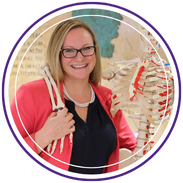 |
Charys Martin, Ph.D. (she/her) (Assistant Professor and Anatomist – Undergraduate Medical Education, Schulich School of Medicine & Dentistry, Western University) (Member – Academy of Educators, Schulich School of Medicine & Dentistry) (Anatomy Lead – Undergraduate Medical Education Curriculum) (Teaching Innovation Fellow – Centre for Teaching and Learning, Western University) (National Leader – Inclusive Anatomical Terminology & Eponym Reform) (Collaborator – Clinicians and Health Professions Educators on Inclusive Terminology Integration) |
Recognizing Epistemic Injustice in Medical Education and Research
Description:
Medical education and research are widely understood as evidence-driven and objective. Yet we rarely discuss how social, political, and institutional powers shape what counts as legitimate medical knowledge, including what we research, teach, publish, cite, and clinically prioritize. These dynamics can produce epistemic injustice: systematic harms that occur when certain knowers, knowledges, and experiences are excluded, discredited, or rendered invisible.
In medical contexts, epistemic injustice can influence whose symptoms are believed, which bodies are under-researched, and how curricula and training can normalize assumptions about health, illness, and care. These patterns have consequences for patient outcomes, learner development, and the direction of medical research, resulting in measurable health inequities.
This workshop introduces epistemic injustice as a critical lens for examining curriculum design, pedagogy, and research practice in medicine. Participants will be guided through structured reflection, including the presenters’ Voices Flower framework (Campbell et al., 2025), to identify where medical knowledge systems can reproduce inequities, and how educators can begin to intervene.
Learning Objectives:
- Recognize epistemic injustices and epistemicide and describe how these concepts apply to medical education, research, and clinical knowledge production.
- Identify patterns of epistemic injustice within medical curricula, pedagogical practices, and research norms, including whose knowledges are privileged or marginalized.
- Apply the Voices Flower framework to critically reflect on their own teaching, research, or disciplinary context and identify opportunities for more epistemically just practice.
Workshop facilitated by:
|
Ashley McKeown (she/her) (Lecturer and Teaching Fellow - Arthur Labatt Family School of Nursing, Faculty of Health Sciences) (Co-Chair DARAO (Decolonization Anti-Racism Anti-Oppression Committee - Arthur Labatt Family School of Nursing, Faculty of Health Sciences, Western University) |
 |
Heather Campbell (she/her) (Associate Librarian – Teaching and Learning, Curriculum, Western Libraries) (Curriculum Specialist - Centre for Teaching and Learning, Western University) |
Allyship in Practice: Recognizing Privilege and Leveraging It for Equity
Description:
This interactive workshop invites participants to explore the concept of allyship through the lens of privilege, power, and responsibility within academic medicine and healthcare environments. Rather than focusing solely on intent, the session emphasizes the impact of actions and the ways in which unexamined privilege can shape decision-making, professional interactions, and institutional culture.
Participants will engage in guided reflective activities designed to help them identify visible and invisible forms of privilege, examine how privilege operates in clinical, educational, and leadership settings, and consider how it can be intentionally and ethically leveraged to support equity-seeking individuals and communities. Drawing on narrative humility, lived experience and informed discussion, the workshop creates space for honest dialogue while maintaining psychological safety.
Through small-group discussions and applied scenarios, participants will move beyond awareness toward concrete strategies for allyship, including speaking up in moments of harm, redistributing opportunities, and recognizing when to step forward or step back. The session is designed to be practical, reflective, and adaptable to participants’ professional roles, offering tools that can be applied immediately in teaching, leadership, and clinical practice.
This workshop is suitable for faculty at all career stages who are interested in developing a more intentional, accountable, and sustainable approach to allyship.
Learning Objectives:
By the end of this workshop, participants will be able to:
- Describe key concepts related to privilege, power, and allyship within healthcare and academic medicine.
- Examine the ways in which unrecognized privilege may shape clinical care, teaching practices, leadership decisions, and institutional culture.
- Analyze the distinction between intent and impact in allyship-related actions and professional interactions.
- Implement concrete allyship strategies that promote equity, accountability, and inclusion in clinical, educational, and leadership roles.
Workshop facilitated by:
|
Aldo Espinosa, MD, MPE (he/him) (Anesthesiologist – London Health Sciences Centre, University Hospital) (Assistant Professor – Department of Anesthesia & Perioperative Medicine, Schulich School of Medicine & Dentistry, Western University) (Director – Undergraduate Anesthesia Education) |
By registering for a workshop, you consent to receive messages and follow-up from Continuing Professional Development.
Earn a Digital Badge
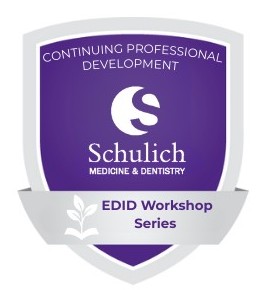
Issued by the Schulich Continuing Professional Development, participants who attend eight or more workshops in the EDID Workshop Series will be awarded a CPD Digital Badge through MyCreds, along with a Certificate of Commitment to EDID Professional Development.
The badge recognizes your sustained engagement and leadership in advancing Equity, Diversity, Inclusion, and Decolonization principles within your professional practice — representing a meaningful investment in your ongoing development. Each badge comes with a unique URL, making it easy to display on LinkedIn and other online profiles as a verifiable symbol of your expertise and commitment.
Interested but Can't Make These Dates?
Let Us Bring the Workshop to YOU!
Don’t miss out! If the scheduled dates don’t fit your calendar, we can bring these dynamic, high‑impact sessions straight to your department or team. Our team will create a tailored learning experience, whether you’re looking to engage small or larger groups.
We’ll work with you to find the perfect day, time, and location to deliver the workshop your team needs. Make professional development easy, flexible, and customized.
Let’s make it happen! Connect with us at: cpdedidteam@groups.uwo.ca