Current Studies
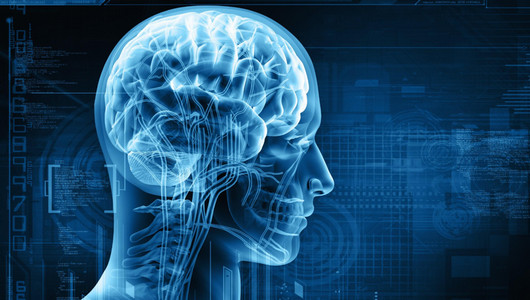
Epilepsy Monitoring Unit
Speech and Hand Motor Control
Various speech and hand motor tasks are conducted in the EMU. Patients who have been implanted with SEEG electrodes will be recruited for this study. The main premise of this study is presenting stimuli to these individuals, or asking them to perform particular tasks to increase understanding of how the brain supports these abilities. Since different experiments target different cortical regions, each patient will participate in an experiment that is relevant to their electrode placement. Each session, lasting no more than 1.5 hours, includes breaks every 15 minutes.
Motor Task
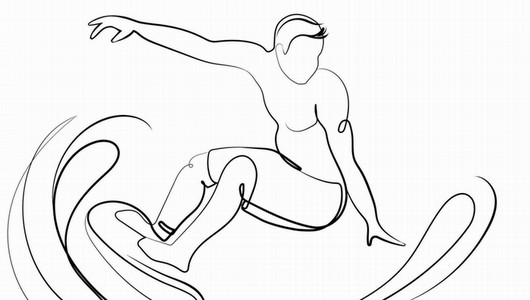
In this task the patient will perform two different motor activities: Cued Movement and 2D.
Naturalistic Movie Task

Participants will be watching a short movie “Bang! You’re Dead”, a 1961 episode of “Alfred Hitchcock Presents.” , and will then will be asked to recognize different movie clips.
Language Learning Task
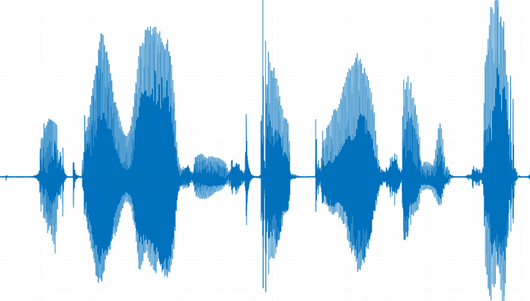
Patients will be listening to different speech and then asked to label each speech segments as New or Old.
EEG Signal
Intracranial EEG Signal Analysis: Quantification of the Signal Frequency and Topographic Localization
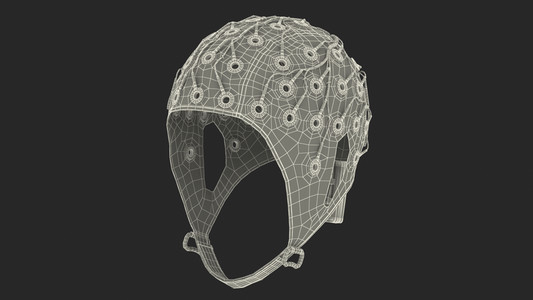
This study evaluates the use of image processing techniques in the management of patients undergoing invasive intracranial recording for refractory epilepsy.
Autonomic Nervous System
Autonomic Nervous System Dysfunction and Sudden Unexpected Death in Epilepsy
This study involves the collection and analysis of clinical data from participants with epilepsy.
Women's Health
Women with Epilepsy Across the Lifespan

This study aims to investigate whether women with epilepsy (WWE) receive care for gender-specific and sex-specific health issues as recommended in guidelines.
Registry
Sign up for the registry here!
Outpatient Clinic Studies
Neuromodulation and Comorbidities in Refractory Epilepsy
Neuromodulation and Comorbidities in Refractory Epilepsy
The research aims to collect comprehensive data related to epilepsy and outcomes associated with the neuromodulation devices (VNS, DBS).
CaNadian Observational Study of Epilepsy
CaNadian Observational Study of Epilepsy (CANOE)

The overall goal of the study is to broadly characterize epilepsy in the general Canadian population, explore etiology as well as the determinants of health outcomes in people with epilepsy.
Genetic Study
Outcome of Epilepsy Surgery in Patients with Medically Resistant Epilepsy
This is a genetic sub-study that will try and correlate surgical outcome and genetic testing results.
MRI and EEG Activity
Structure-function Relationship in Epilepsy: How Brain MRI features influences EEG Activity (MRI2EEG)
This study seeks to investigate the correlation between brain structure and activity in individuals with epilepsy, a neurological disorder impacting approximately 0.7% of the global population.
7T MRI and Neurosurgery
Ultra-High Field Magnetic Resonance Imaging for Stereotactic Neurosurgery
This study is for adults who are scheduled for stereotactic neurosurgery and/or Vagus Nerve Stimulator (VNS) surgery. The purpose of this study is to investigate the utility of using imaging techniques at ultra-high field for visualizing brain structures that are treatment targets for neurological disorders, such as epilepsy and Parkinson’s disease.
Neural Excitability Study
A Study of Neural Excitability in Human Patients Undergoing Brain Tissue Resections for the Treatment of Medically Resistant Epilepsy
This study aims to investigate the correlation between changes in intrinsic cell properties within resected areas and surgical outcomes in patients undergoing epilepsy surgery.