

Language Learning
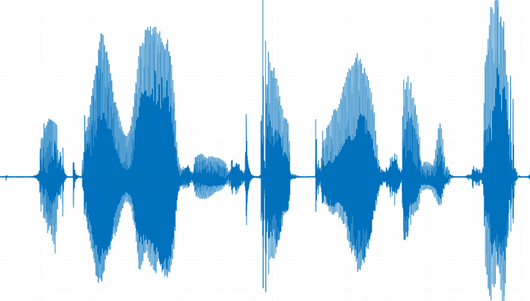
Within Session 1, the task can be divided into two blocks as needed. Block 1 consists of 10 minutes of exposure to a structured speech stream made up of repeating nonsense words (e.g. tafukoregeme…). While listening to the speech stream, patients will perform a task in which they are asked to respond to pauses within the speech stream with a keypress. Block 2 (approximately 20 min) can occur immediately after Block 1 or else after a variable delay, as needed or preferred by the patient. In either case, the researcher must confirm that the patient is feeling comfortable and is willing to proceed to Block 2. In Block 2, patients will complete a speeded reaction time task, in which they are asked to detect target syllables embedded in short segments of the continuous speech stream. They will then complete a short explicit familiarity rating task, in which they are asked to provide familiarity ratings on a 1-4 scale for 12 nonsense words presented in isolation (4 = most familiar). The words will either be the same words that were presented during the speech stream, or foil items made up of recombined syllables from the stream. This will be marked as the end of session 1. Within Session 1, the task can also be divided into two blocks as needed. In Block 1 (15 minutes) patients will be asked to make “Old” and “New” recognition judgments on a series of trisyllabic nonsense words (e.g. “tigesa”). Each trial consists of the presentation of a trisyllabic word, followed by a prompt on the screen (“New or Old?”). Patients will be asked to label the word as “Old” if the word had been presented before or “New” if the item had never been presented before. They will also be specifically instructed that some of the items may sound similar to one another, but that similar-sounding items should also be labelled as "New" if they had not been previously presented. Block 2 (15 min) consists of a very similar task as in Block 1, with the difference that environmental stimuli will be used rather than trisyllabic nonsense words. Patients will listen to naturalistic sounds produced by humans, animals and man made objects (e.g. cow moo, bell ring) and will perform the same Old/New Judgment as described above.
Principal Investigator: Dr. Batterink
Daniela Chaves (PhD student) and Emily Cordeiro (master's student) are administering this task.


