

Intracranial EEG Signal Analysis: Quantification of the Signal Frequency and Topographic Localization
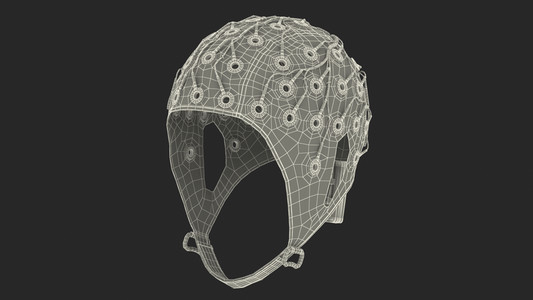
This study involves the collection and analysis of clinical data from participants with epilepsy. Clinical variables, including etiological diagnosis, anti-seizure drugs history, previous EEG features, age at onset of seizures, seizure types, mean frequency of seizures, risk factors, history of status epilepticus, and neuroimaging and neuropsychological evaluations, will be obtained from participants' charts. Epilepsy surgery outcomes will be assessed using Engel and ILAE classifications. Additionally, intracranial recording data will be collected from patients implanted with electrodes as part of standard care. Neuroimaging, including standard of care clinical MRI images and high-resolution MRI scans (3T and 7T), will be obtained for spatially determining electrode locations in correlation with intracranial recordings. Any high resolution MRI images (3T and/or 7T MRI scans) will be obtained from participants that have enrolled in the following study: The use of image processing techniques in the management of patients undergoing invasive intracranial recording for refractory epilepsy.
Inclusion criteria:
- Patients aged 1 month to 65 years with drug-resistant epilepsy with invasive recordings with intracranial electrodes
Exclusion criteria:
- Patients who have not had epilepsy investigation using intracranial electrodes, including SEEG, grid, or subdural.
Principal Investigator: Dr. Ana Suller-Marti
Mariam Elnazali (Research Assistant) will obtain patient consent and Arun Thurairajah (Neurophysiologist) will collect the intracranial recording data for the study.


