


Learning Outcomes
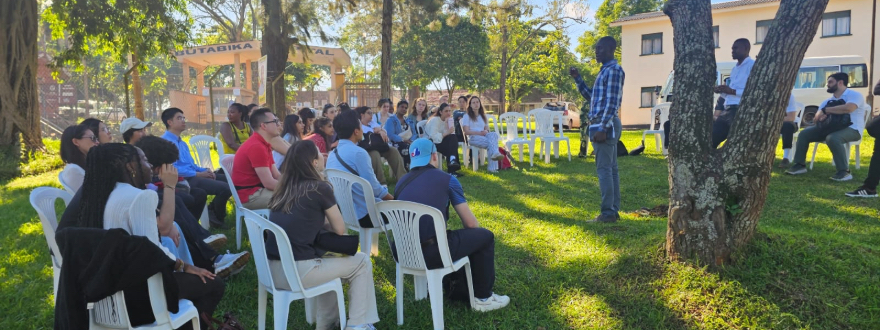
During this 1-year, three-term program students will have the opportunity to tackle real-world challenges in global health especially in low-to-middle income regions (particularly in sub-Saharan Africa) while building the expertise needed to lead in this dynamic field. Through eight months of Fall/Winter coursework and a four-month Summer term of immersive learning you gain organizational, leadership, and communication skills, that bridge disciplines and prepare you for successful careers.
Thematic areas are focused on advancing health equity, reducing disease burden, strengthening health system resilience, and environmental degradation prevention, while promoting the health and equality of those most vulnerable, such as women and children.
Key Program Learning Objectives and Outcomes:
- Develop a critical awareness of the diverse challenges facing certain regions of the world, particularly within African countries, as well as developing an understanding of the tools and techniques to bridge research to policy within existing governance structures.
Case Based Learning: By learning through diverse case studies built on groundbreaking research and techniques that address Global Health Systems in low to middle-income countries, students acquire a conceptual understanding and methodological competence.- Students develop the ability to engage in critical thinking and writing about the core questions that underlie scholarship in the field of Global Health Systems.
- Students get a systematic understanding of knowledge, and a critical awareness of the techniques used to analyze and interpret large datasets.
-
Apply your coursework directly during the 8‑week internship by designing, implementing, and evaluating a targeted health intervention with partner organizations. You’ll collaborate with local teams, navigate cultural and logistical challenges, and produce evidence‑based reports to inform ongoing program improvements.