

Infectious Diseases 2026
The Pathology Press: HIV Explained – The Human Immunodeficiency Virus - Team 2
Media Type: Newspaper
Summary
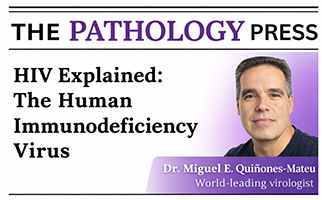 Human Immunodeficiency Virus (HIV) is a virus that infects CD4+ T-cells, a common and important immune cell that releases protein signals to tell other immune cells what to do. The virus enters the cell and reverse-transcribes its RNA genome to cellular DNA and uses the cell’s resources to make more copies of itself, ultimately destroying the cell and releasing these copies to infect other CD4+ cells. At its most severe, the lack of CD4+ cells in the body weakens the immune system to the point where common sicknesses become life-threatening. This condition is called Acquired Immunodeficiency Syndrome (AIDS).
HIV enters the body through fluids like blood, semen, and breast milk, often being transmitted through sexual activity or the sharing of needles during drug use. In Canada, around 65,000 people (0.16% of the population) are living with HIV. Although no known treatment exists to fully cure HIV, regular treatment with drugs through antiretroviral therapy can greatly reduce the amount of virus particles in the body to the point where one is essentially asymptomatic and cannot transmit the virus at all, with few side effects. However, the stigma from before effective treatment was possible remains, with many people still afraid of contracting HIV from HIV-positive individuals through safe activities like hugging, holding hands, or even being close to them, even if they are on treatment.
Our project gives a detailed overview of the many aspects of HIV, such as its mechanisms, statistics/history, prevention and treatment, social issues, and complications, in the form of a pathology newspaper. It includes infographic-like diagrams, fun quizzes and puzzles, a comic, and a video interview with Dr. Miguel Quiñones-Mateu, a virology researcher at Western and a trailblazer in HIV isolation and research. We aim to promote a wider understanding of HIV and the state of its treatments, especially the fact that those who are on treatment can live a normal life and have no fear of transmitting to others through sexual and other healthy activities.
Keywords: Human Immunodeficiency Virus (HIV), CD4+ T-Cells, Prevention and Treatment, Sexually Transmitted Infection (STI), Acquired Immunodeficiency Syndrome (AIDS), Addressing Social Stigma
- PULSE Team Assignment - Team 2 (PDF, 335 KB)
HPV Unmasked: What You Need to Know - Team 12
Media Type: Interactive Game/Map
Summary
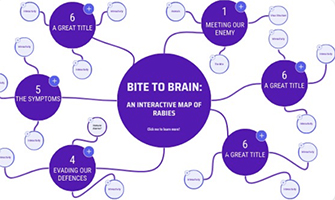 Imagine a virus so precise in its strategy that it can travel from a bite wound all the way to your brain over the course of several weeks without your immune system detecting it even once. That virus is rabies, and it holds the grim distinction of being the most consistently fatal viral infection ever documented in human medicine. Once neurological symptoms appear, fewer than 20 people in all of recorded medical history have survived.
Rabies is caused by the Rabies Virus (RABV), a bullet-shaped pathogen belonging to the Rhabdoviridae family. What sets RABV apart from virtually every other virus is that it completely avoids the bloodstream. Instead of spreading systemically like influenza or SARS-CoV-2, RABV slips directly into the nerve endings embedded in the muscle tissue surrounding a bite wound. From there it hijacks the nerve cell's own internal transport system, using a motor protein called dynein to carry itself up the nerve fiber toward the spinal cord and brain. This journey can take anywhere from two weeks to three months, during which the infected person feels completely healthy. No fever, no pain, no warning.
By the time symptoms begin, RABV has already infected the hippocampus, brainstem, and cerebellum, scrambling how neurons communicate and triggering either violent agitation and a severe fear of water, or progressive muscle paralysis, depending on which form of the disease develops. Both end in coma and death within two to ten days of symptom onset.
The critical insight is that rabies is entirely preventable. A vaccine given promptly after a bite stops the virus before it reaches the nervous system. This is called post-exposure prophylaxis and it saves an estimated 250,000 lives every year. Yet 59,000 people still die annually, almost all in rural Asia and Africa where vaccines remain inaccessible.
This PULSE assignment uses an interactive concept map to walk learners through the complete biology of rabies, from the structure of the virus, through its silent journey, through what it does in the brain, and finally to how medicine intervenes.
Keywords: Rabies Virus (RABV), Viral Encephalitis, Retrograde Axonal Transport, Negri Bodies, Glycoprotein G Protein, Post-Exposure Prophylaxis (PEP)
- PULSE Team Assignment - Team 12 (PDF, 340 KB)
The Great CD4 T-Cell Heist - Team 20
Media Type: Website
Summary
 Human Immunodeficiency Virus (HIV) is a viral disease that compromises a patient’s immune function. The virus infiltrates and affects the host’s CD4+ T-cells where it performs genome integration. According to data acquired in 2019, over 0.5% of the world’s population was infected and about 5000 new infections occurred daily. It is transmitted primarily through sexual contact and at the time of the production of this video, there is no readily available vaccine for this disease.
Genome integration is the process in which the viral genome from the virus places itself within the genome of the host’s cell. This would cause viral proteins to be expressed by the integrated cell, allowing for constant production of viral proteins and viral replication. This host genome integration also has potential for normal CD4+ T-cell function impairment, which is detrimental in host immune system functionality.
HIV is considered a quasispecies, which defines a species that has multiple mutated variants existing at the same time. This allows for evolutionary selection of the entire genetically diverse species. In terms of HIV, quasispecies refers to the incredibly extensive genetic diversity, which is made possible because of the lack of viral DNA repair mechanisms. During genomic integration, the lack of repair mechanisms allow for a very high mutation rate of the virus. This allows for a ‘cloud’ of genetic variants. This unique characteristic of HIV has been why treatment method creation has been so difficult.
Our assignment is a lecture-style presentation supported by AI-generated animations, formats, and images generated with Biorender that explores the intricacies of the pathological mechanism of Human Immunodeficiency Virus. The purpose of this format was to help engage learners in a fun, yet informative way. At the end of the video are AI-generated practice questions that can stimulate active recall and support learning.
Keywords: HIV (Human Immunodeficiency Virus), AIDS (Acquired Immune Deficiency), CD4 Type 2 Helper T-Cells, Sexually transmitted, RNA Virus, Genome Integration
- PULSE Team Assignment - Team 20 (PDF, 253 KB)
Understanding HIV - Learning Module - Team 22
Media Type: Learning Module
Summary
 Granulomatous inflammation is an immune response to certain conditions where the body attempts to wall-off and isolate the affected site. It is typically characterized by a necrotic tissue core surrounded by epithelioid macrophages and a rim of lymphocytes. A frequent cause of granulomatous inflammation is tuberculosis, caused by Mycobacterium tuberculosis.
When a person becomes infected by Mycobacterium tuberculosis, it can cause either latent TB or active TB. In latent TB, the bacteria remains dormant, non-contagious, and does not cause any symptoms. In active TB, however, the bacteria actively proliferates and results in inflammation and damage to lung tissue. In cases where Mycobacterium tuberculosis breaks out of the granuloma, it can spread to other parts of the body and lead to more severe disease. Patients with active TB can also transmit the bacteria via aerosols when coughing, sneezing, or speaking.
This project aims to explore the pathology, etiology, treatment, and epidemiology of tuberculosis in Canada. Learners can explore our website to find out more about Mycobacterium tuberculosis, multidrug-resistant TB, developments in TB research, and global statistics. Additionally, an embedded podcast episode will allow learners to listen in on the insights of an expert who has been working on TB research for over 20 years. Topics discussed in the episode include the social implications of TB in Canada, some of the stigma surrounding the disease, the difficulties of researching the bacteria, and what policymakers, scientists, and citizens alike can do to contribute to a solution.
The contents of our website and podcast are intended to serve as an extension of the discussion of TB, infectious diseases, respiratory diseases, and inflammation in class. By providing accurate information, the team hopes to combat some of the stigma and spread awareness to a disease that many think of as a thing of the past.
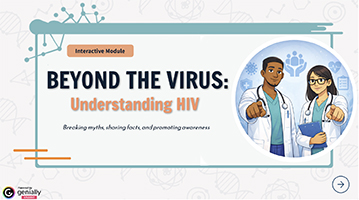
Keywords: HIV, Viral Transmission, HIV Prevention, HIV Testing, Transmission Pathways, Public Health
- PULSE Team Assignment - Team 22 (PDF, 299 KB)
COVID Uncovered: Pathology, etiology, pathogenesis, transmission, outcomes and lab medicine behind the COVID-19 Pandemic - Team 39
Media Type: Magazine
Summary
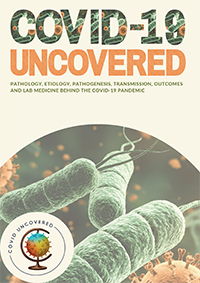 Our PULSE experiential assignment focuses on COVID-19 and explains how this disease develops in the body, from the moment the virus enters a person’s cells to the point where it can cause serious complications. We created an educational pathology textbook called COVID-19 Uncovered, organized into chapters on viral entry and mechanisms of infection, spread through the body and immune response, disease outcomes and opportunistic infections, and diagnostics, lab medicine, and therapies. We chose this topic because COVID-19 affected people around the world, yet many people still do not understand why it can be mild in some individuals but severe or life threatening in others. We chose the textbook format because it allowed us to present a complex medical topic in clear sections that build on one another and make the information easier to follow. Our goal was to make scientific ideas understandable for a general audience by explaining them in a logical and accessible way. This assignment is important because it helps readers understand how COVID-19 affects the lungs and immune system, why some people are at greater risk of severe disease, and how diagnosis and treatment connect to what is happening inside the body. By creating this resource, we hope to improve public understanding of COVID-19 and show how pathology can help explain real world health issues in a meaningful and approachable way.
Keywords: COVID-19, SARS-CoV-2, Viral Entry, Immune Response, Disease Outcomes, Diagnostics and Lab Medicine
- PULSE Team Assignment - Team 39 (PDF, 381 KB)
Fatal Protein Misfolding: A Story of Prions and Creutzfeldt-Jakobs Disease - Team 40
Media Type: Infographic
Summary
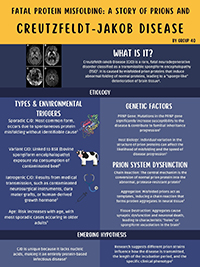 Our assignment explores Creutzfeldt-Jakob disease (CJD), a rare and fatal neurodegenerative disorder caused by misfolded prion proteins that trigger abnormal folding of normal brain proteins. This process leads to rapid brain tissue damage with a characteristic sponge-like appearance. The pathogenesis of CJD involves prion propagation, where misfolded proteins act as templates, spreading damage through the brain. Both genetic mutations (PRNP gene) and environmental factors, such as exposure to contaminated tissue, can contribute to disease onset.
CJD occurs in several forms, including sporadic, genetic (familial), variant (linked to bovine spongiform encephalopathy), and iatrogenic (medical transmission). Symptoms progress quickly and may include memory loss, confusion, visual disturbances, poor coordination, and involuntary movements, usually advancing to severe neurological decline.
Diagnosis typically relies on MRI imaging, cerebrospinal fluid (CSF) biomarkers, and electroencephalography (EEG), with definitive confirmation sometimes requiring brain tissue biopsy analysis. Prognosis is poor, as CJD is incurable and progresses rapidly, often leading to death within a year of symptom onset.
Treatment is supportive, focusing on symptom management and patient comfort. Preventive measures emphasize strict medical protocols to avoid transmission. Our infographic aims to present the complex biology of CJD in a clear, engaging format—highlighting its causes, mechanisms, symptoms, and impact—while raising awareness of this rare but devastating disease.
Keywords: Neurodegenerative, Neurotoxicity, Prion, Protein misfolding, Dementia, PRNP gene mutations
- PULSE Team Assignment - Team 40 (PDF, 370 KB)