

Search Website
Programs
Biochemistry
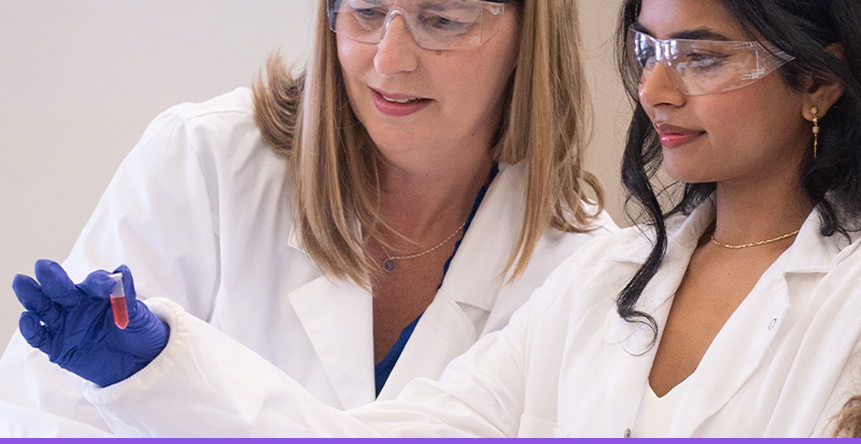
Study the molecules and mechanisms essential to life. An emphasis is placed on understanding the structure, function, and regulation of biomolecules as they relate to the molecular basis of disease. Apply state-of-the art approaches and equipment to the many diverse areas of modern biochemistry that include molecular genetics, structural biology, signal transduction, chemical biology, and bioinformatics.

Epidemiology and Biostatistics
Develop skills to contribute to health policy by providing data relevant to health promotion and illness-prevention programs. Study areas concerned with the determinants and distribution of diseases in human populations while discovering new statistical methods for collecting, analyzing and interpreting data.
Interdisciplinary Medical Sciences (IMS)
Enjoy the flexibility of the Interdisciplinary Medical Sciences modules with access to courses offered by all of the Basic Medical Science departments. Gain a greater understanding of the interrelationship between the basic medical sciences in the investigation of a clinical disease.
Medical Biophysics
Aid medical diagnosis and therapy through the application of mathematics and physics. This field includes cardiovascular biophysics, orthopedic and soft tissue mechanics, MRI, CT and ultrasound imaging for diagnosis and radiation biophysics for cancer treatment.
Medical Cell Biology
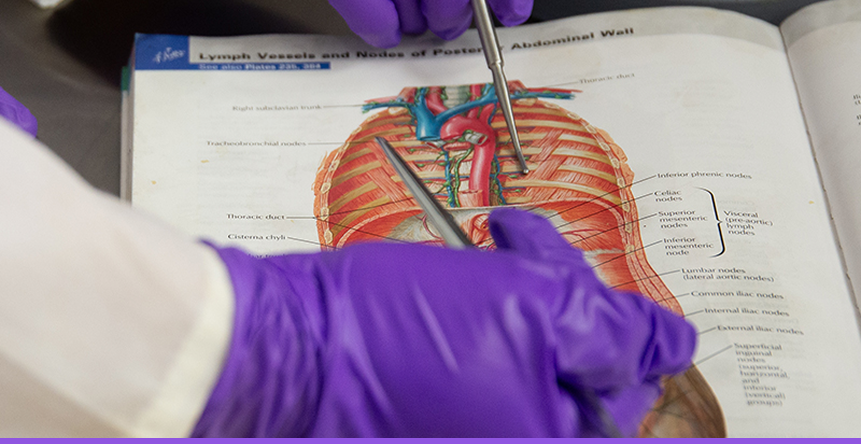
The Department of Anatomy and Cell Biology offers modules in Medical Cell Biology. Learn the gross anatomical features of all the human body systems, understand how cells in the human body interact when forming tissues, maintaining homeostasis and regulating behaviour.

Medical Bioinformatics
This Medical Bioinformatics module provides foundational knowledge in computing, statistics, and medical sciences, and develops practical computational skills. These skills are crucial for analyzing the large datasets from modern high-throughput technologies—now essential tools in biomedical labs—to solve key biomedical problems.
Microbiology and Immunology
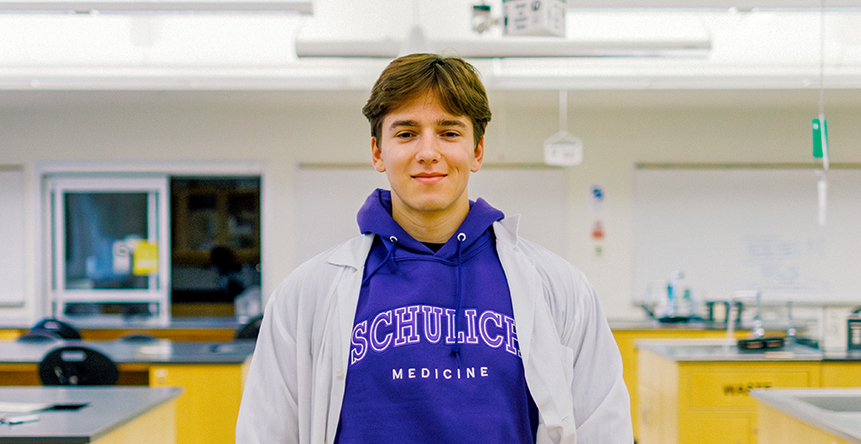
Discover how the immune system protects us from infections micro-organisms and cancer cells to maintain our health, yet can cause disorders like autoimmune diseases and allergies. Learn about antimicrobial therapies, vaccine strategies/challenges and lab techniques used to identify bacteria and measure immune health.
One Health
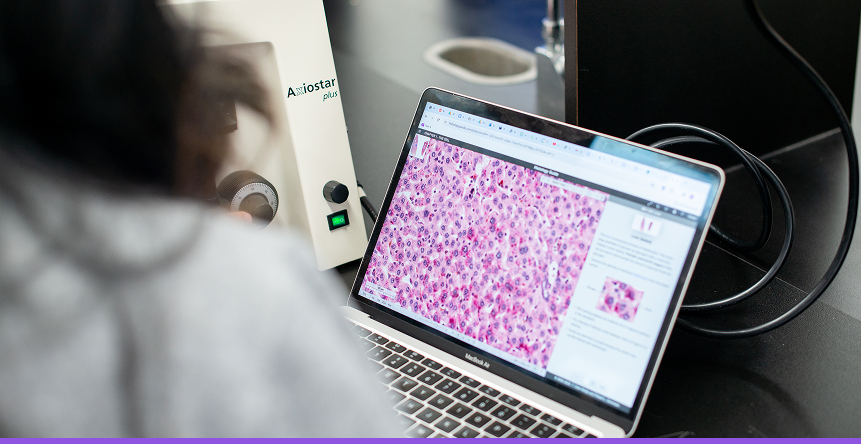
Focus on the intricate link between animal health, environmental health, socioeconomic factors and human health. Access unparalleled breadth and depth of knowledge in the basic medical sciences, physical sciences, social sciences and the humanities with the focus on attaining optimal human health.
Pathology and Laboratory Medicine
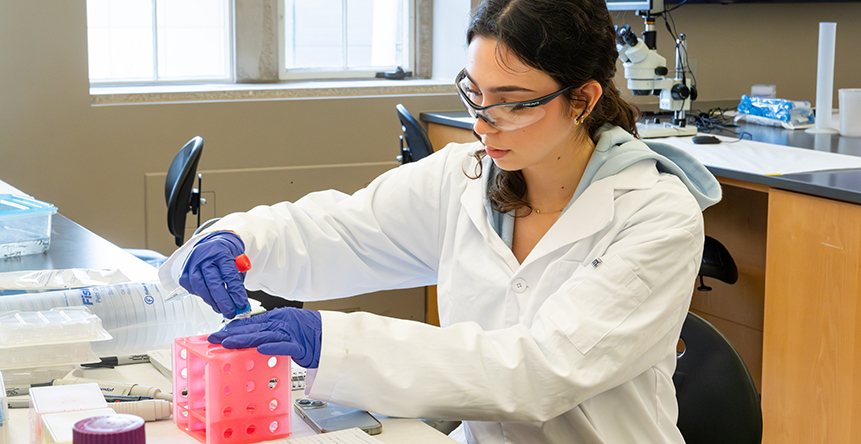
Build on a foundation of normal anatomy, biochemistry, cell biology and physiology to look at the structural and functional changes that occur in human disease. Learn about human illness that can also result from adverse effects of biological and chemical toxins, environmental pollutants, and occupational exposures to toxins.
Physiology and Pharmacology
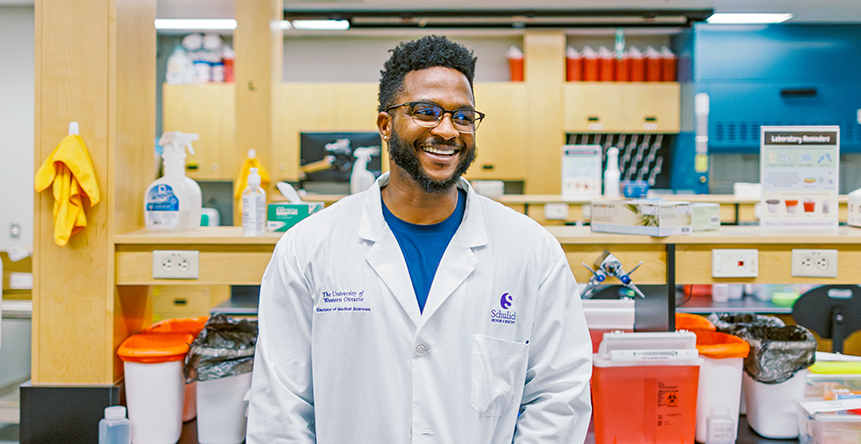
Physiology explores how the human body functions, from cells to organ systems and molecular events to entire organisms. Pharmacology studies how drugs affect biological systems in health and disease, including their adverse effects, and how technology aids in risk and safety evaluation.
Did you know?
There are several unique modules in the BMSc Program.