

Electrophysiology
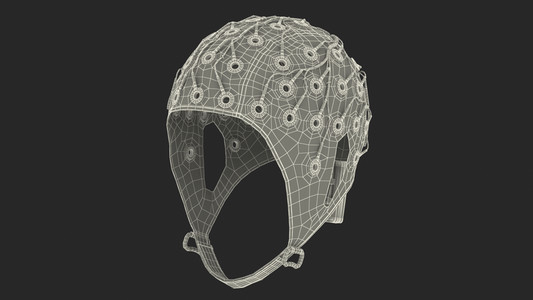
Electrophysiology is fundamental to our understanding and treatment of epilepsy, providing direct insights into the brain's electrical activity associated with seizure disorders. Our research group focuses on several key aspects:
Advanced Electrophysiological Techniques
- Scalp Electroencephalography (EEG): We employ routine and continuous video EEG monitoring to capture and analyze electrical activity, aiding in the diagnosis and characterization of seizure types.
- Intracranial Monitoring: For complex cases, we utilize invasive methods such as stereoelectroencephalography (SEEG) and electrocorticography (ECoG) to precisely localize seizure foci, informing surgical planning.
Integration of the WERG with University Hospital and London Health Sciences Centre (LHSC)
Our collaboration with the Schulich School of Medicine & Dentistry and LHSC enhances our electrophysiological research through access to state-of-the-art facilities and multidisciplinary expertise:
- Epilepsy Monitoring Unit (EMU): Located at University Hospital, LHSC, the EMU is the largest in Canada, providing comprehensive inpatient monitoring for diagnostic and pre-surgical evaluations.
- Fellowship Programs: The Schulich School offers specialized EEG/Epilepsy fellowship programs, fostering advanced training and research in clinical neurophysiology.
Research Objectives
Our electrophysiology research aims to:
- Elucidate Seizure Mechanisms: Investigate the neuronal dynamics underlying seizure initiation and propagation to identify potential therapeutic targets.
- Develop Diagnostic Tools: Enhance EEG analysis techniques to improve the accuracy of epilepsy diagnosis and monitoring.
- Advance Surgical Outcomes: Refine intracranial monitoring methodologies to optimize surgical interventions for drug-resistant epilepsy.
By integrating electrophysiological research with clinical practice, we strive to contribute to the development of innovative treatments and improve the quality of life for individuals affected by epilepsy.