


Research Projects
Our Focus
We study the role of DNA damage & repair, autophagy and endothelial-to-mesenchymal transition in cardiovascular pathophysiology using in vitro (cell culture), in vivo (generation of tissue-specific knockdown mice), ex vivo and translational (clinical samples) approaches.
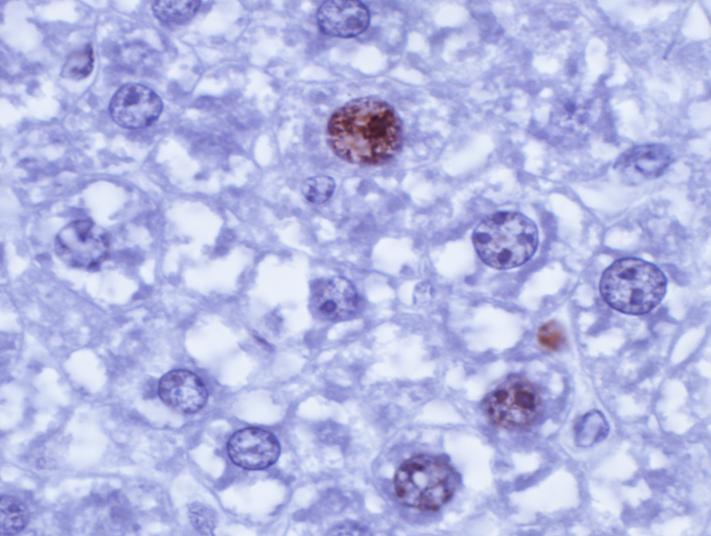
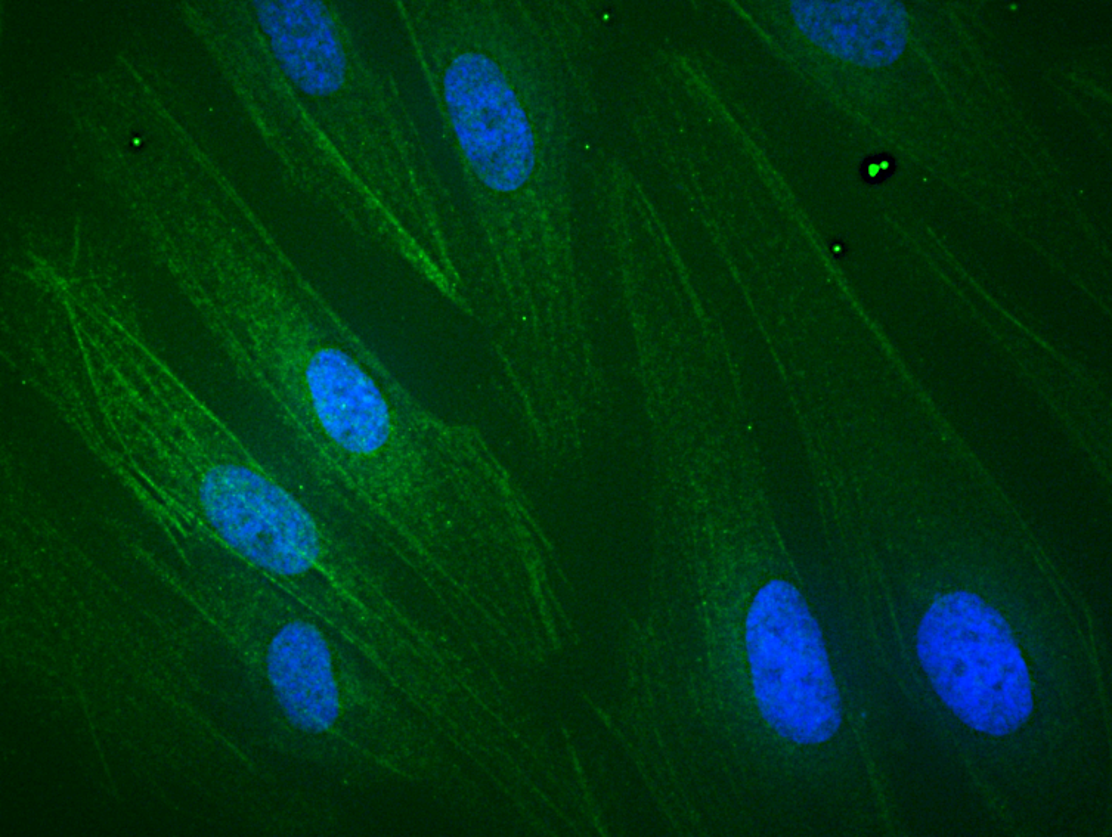
1. Role of DNA damage & repair in cardiovascular pathophysiology
We focus on the role of breast cancer genes BRCA1/BRCA2 and evaluate the effect of cell-specific loss of BRCA genes on cardiovascular development, physiology and pathology (diabetes, atherosclerosis and heart failure).
2. Role of autophagy in cardiovascular pathophysiology
2. Role of autophagy in cardiovascular pathophysiology
Our research focus is to understand the molecular regulation of autophagy in endothelial cells at baseline (physiological condition) and after stress (pathological ischemic conditions). We have already identified a novel miRNA regulating endothelial autophagy and currently investigating its role in endothelial function at baseline and under ischemic conditions (critical limb-ischemia and cardiac ischemia).
3. Role of endothelial-to-mesenchymal transition in cardiovascular pathophysiology
3. Role of endothelial-to-mesenchymal transition in cardiovascular pathophysiology
Endothelial-to-mesenchymal transition or EndMT is a phenomenon where endothelial cells lose their endothelial characteristics and gain a fibroblast-like mesenchymal phenotype. Role of EndMT in development as well as pathology is not well studied. We focus on understanding the different mechanisms inducing EndMT and their role in cardiac pathobiology (cardiac fibrosis).