Search Website
The Soundtrack to Second-year Biochemistry
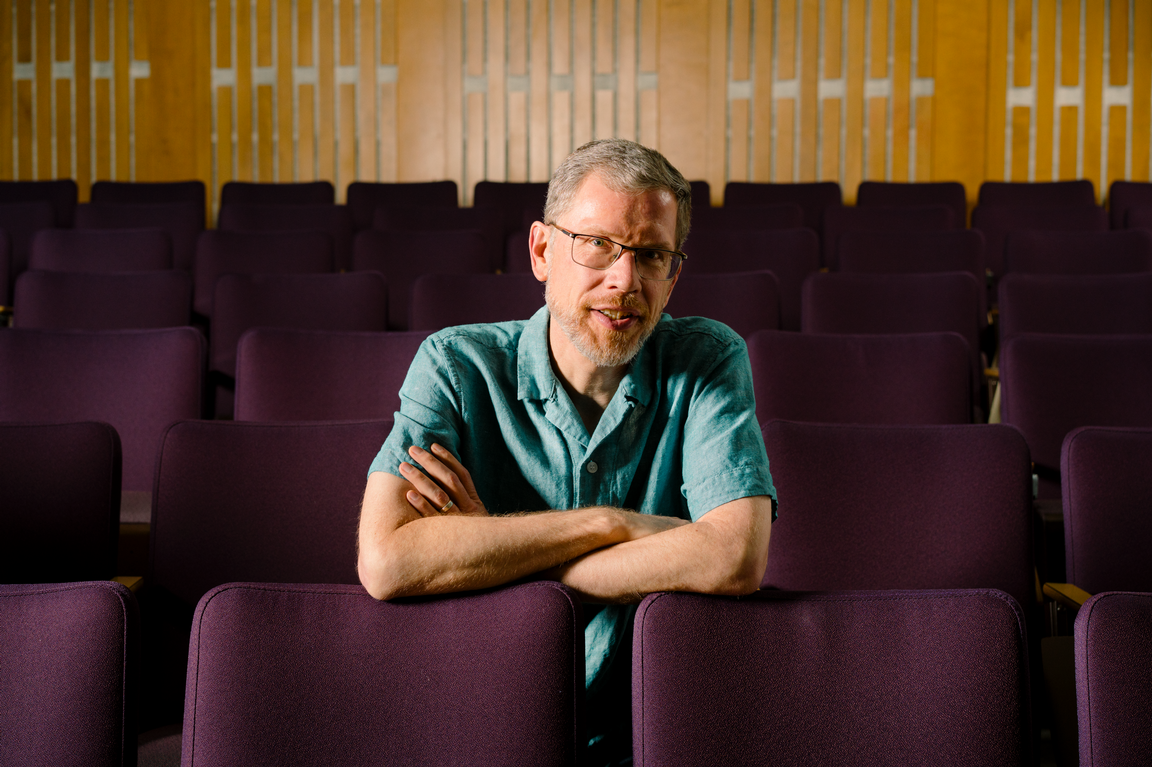
Biochemistry professor Derek McLachlin, PhD'00, started writing songs about science to engage a few hundred students.
Now, he's getting several million people around the world to sing along.
“It's a little surreal. It just all of a sudden blew up.”
— Derek McLachlin, PhD'00
His adaptation of Ed Sheeran's hit "Shape of You" into a song about ketone bodies – molecules that supply energy – has gone viral on TikTok, racking up more than five million views.
The parody turned the chorus, “I'm in love with your body” into, “Oh, I love ketone bodies.”
"It's a little surreal. It just all of a sudden blew up," says McLachlin.
When he began teaching at Schulich Medicine & Dentistry in 2005, McLachlin faced the daunting task of engaging 600 students in second-year classes.
“Someone told me, 'You'd better be ready to perform to some extent,'” he recalls.
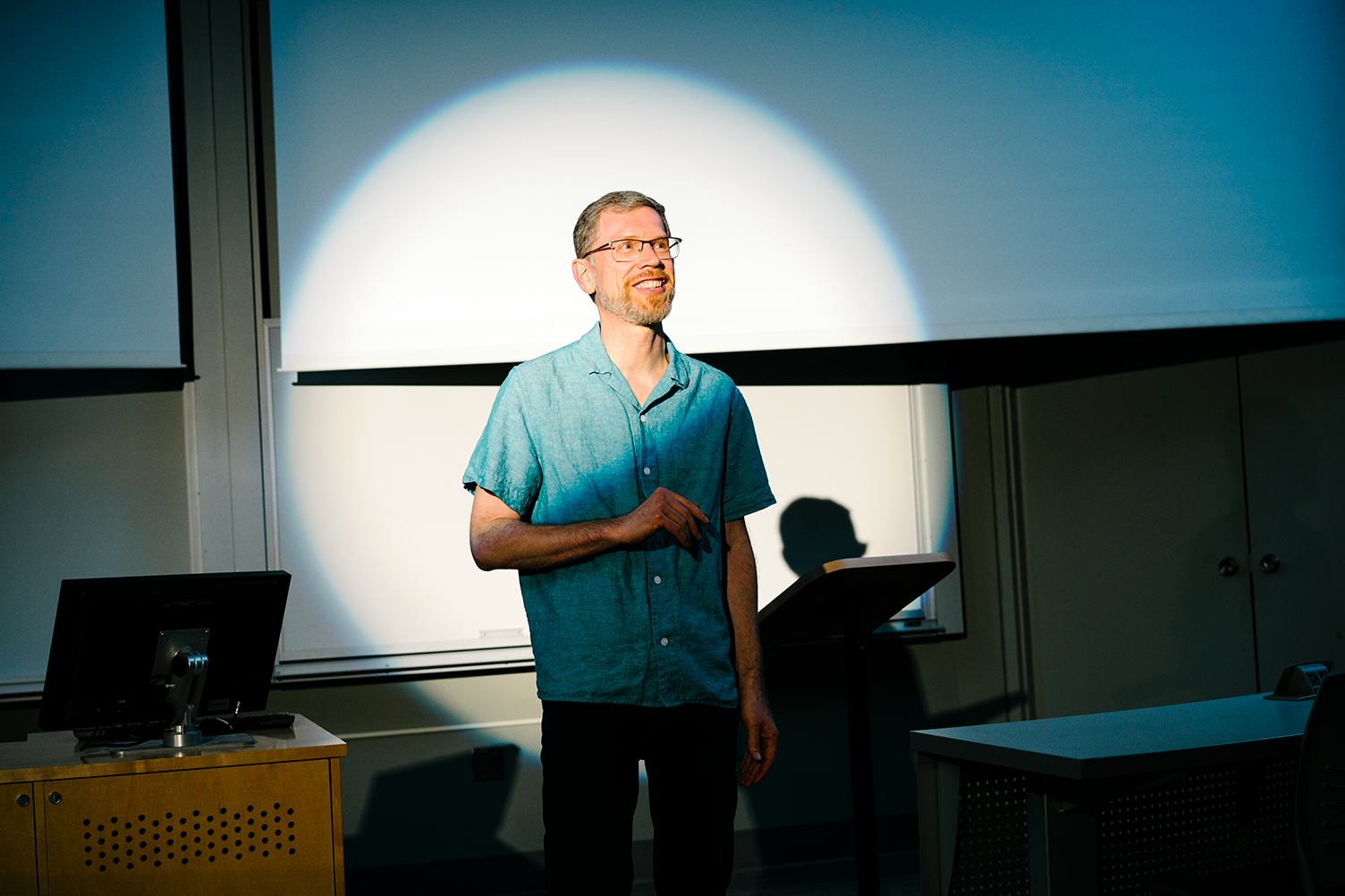
So McLachlin returned to his roots. He grew up in a musical family in Chatham, playing keyboards in a rock band and performing in high school plays.
He first performed another instructor's song about histones – proteins that help package DNA – set to the tune of The Flintstones theme song.
McLachlin's original performances now include "I'll Repair for You," a song about DNA repair to the tune of "I'll Be There for You," the theme song from Friends.
He's turned the teenage angst of Taylor Swift's "You Belong With Me" into a musical lesson about adenosine triphosphate, or ATP, the molecule cells use for energy.
"The song can't be vacuous. It has to be useful," he says. "It doesn't have to be a great vocal performance. If students get the sense you're making an effort to help them, they will give you a lot of slack."
Students tell him the music helps them remember the facts in the lyrics, McLachlin says.
He's taking the success of "I Love Ketone Bodies" in stride.
“Of course, the number of views is not the same as the number of people who saw it, because my wife probably watched it 100 times herself,” he says.
McLachlin jokes he's facing the same pressure as any pop star to produce a follow-up hit.
“I've already started thinking of a potential new song.”
“The song can't be vacuous. It has to be useful. It doesn't have to be a great vocal performance. If students get the sense you're making an effort to help them, they will give you a lot of slack.”
— Derek McLachlin, PhD'00