Search Website
Can Psychedelics Heal?
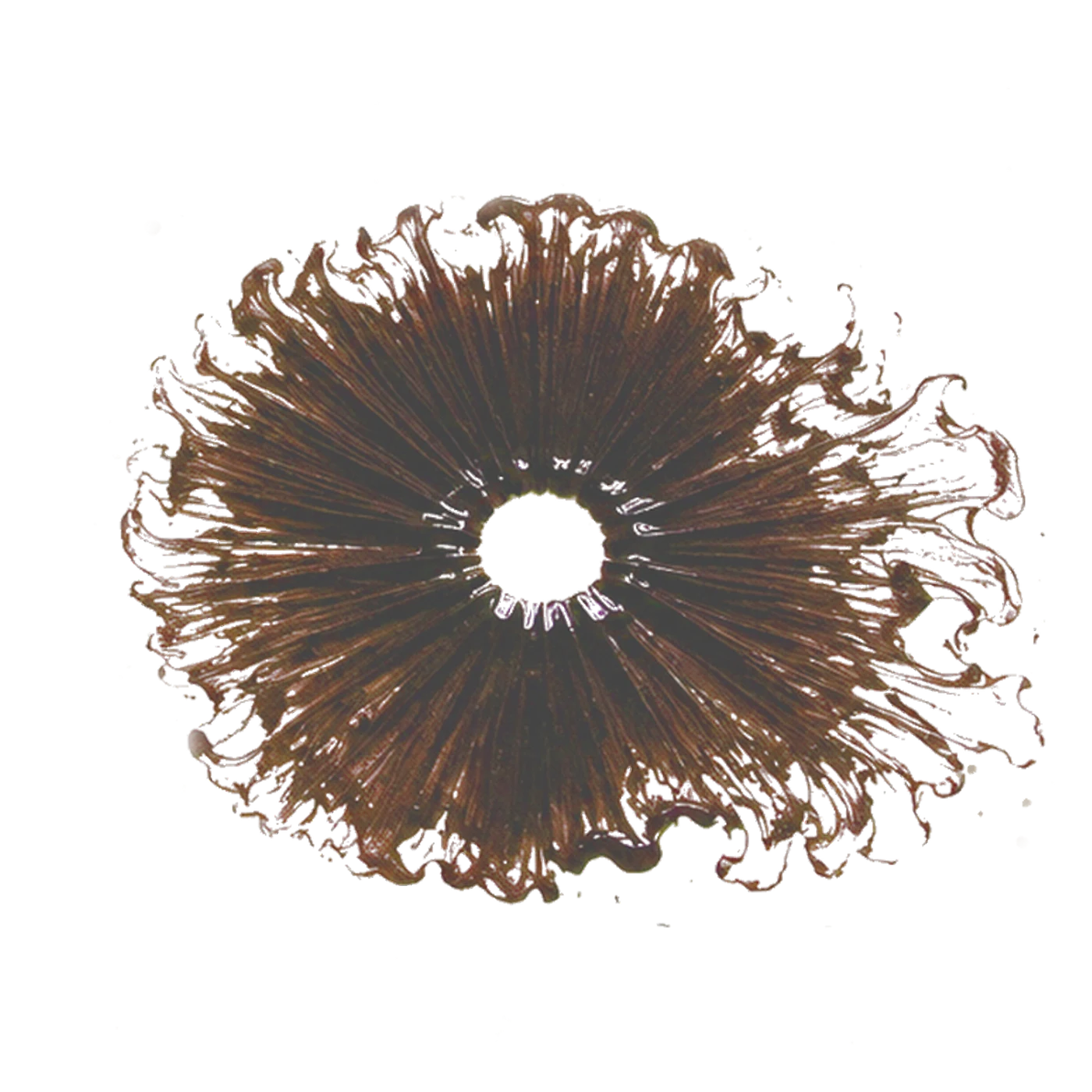
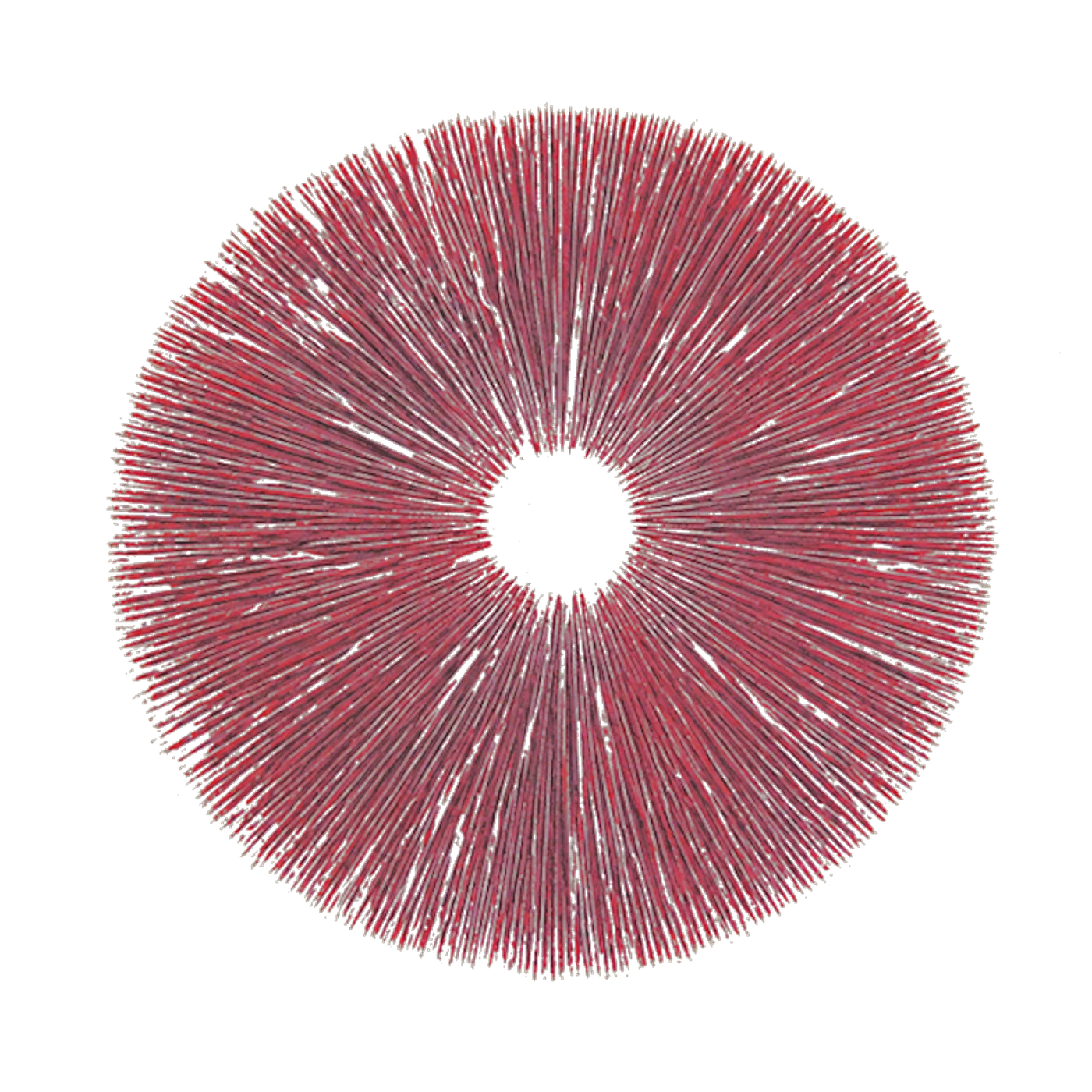
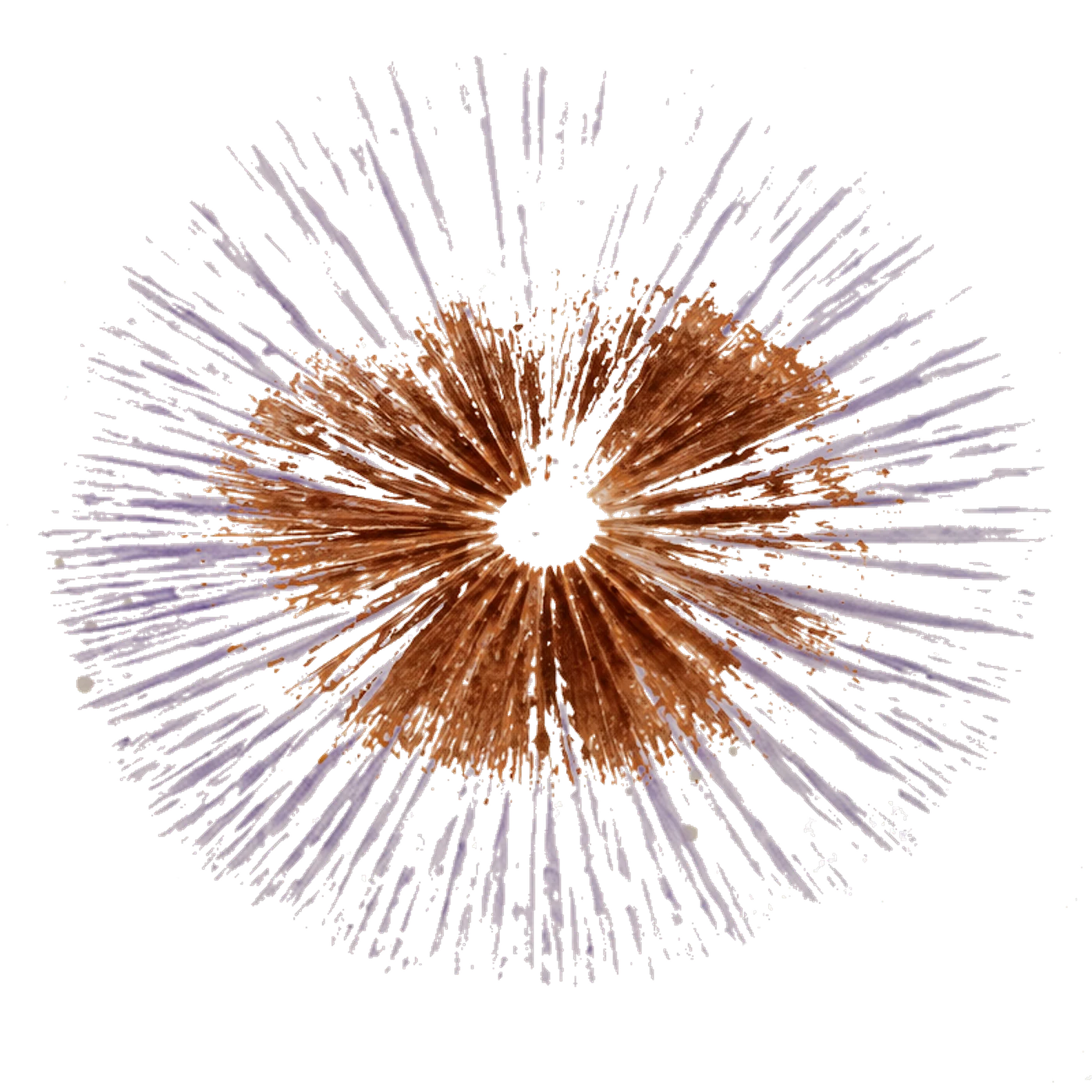
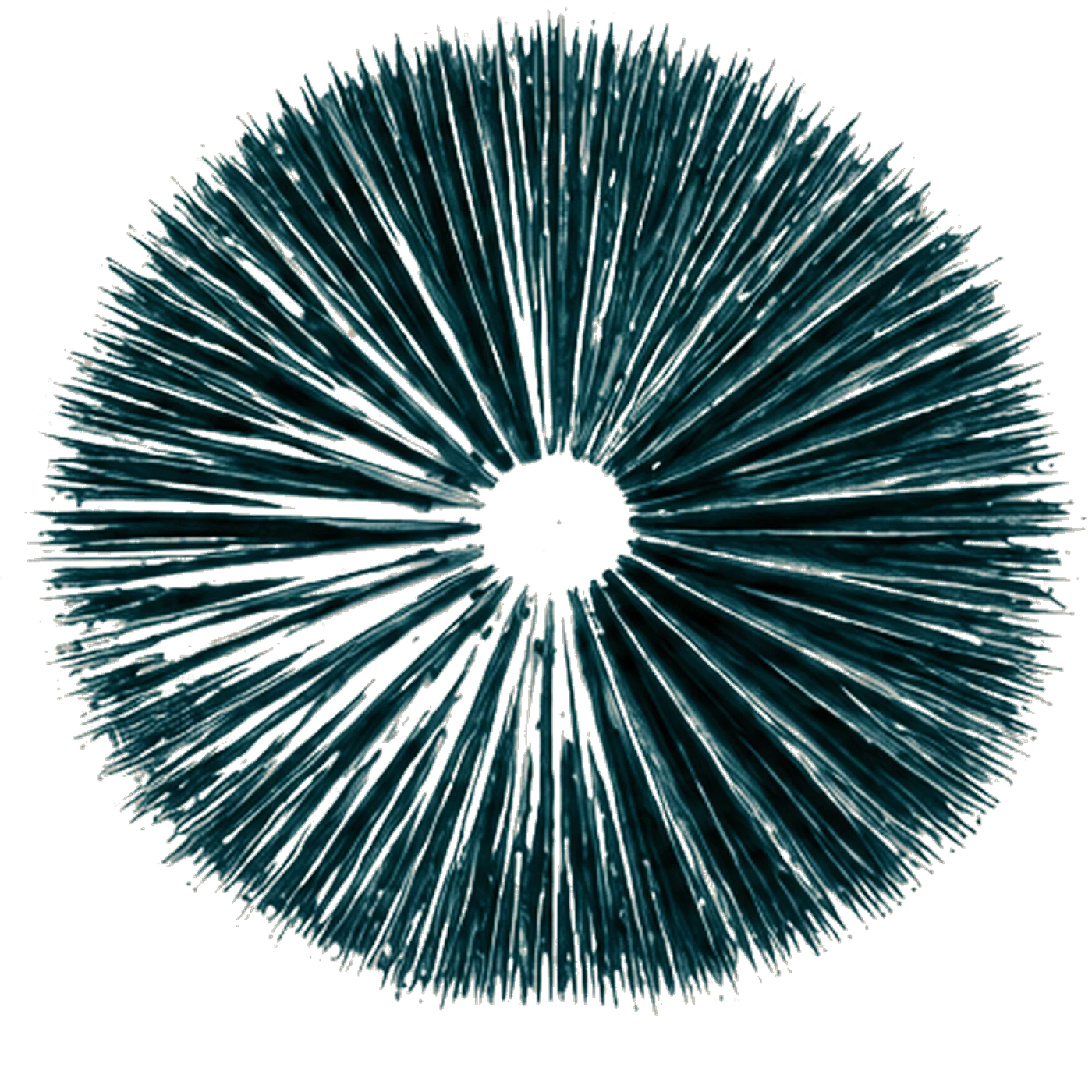
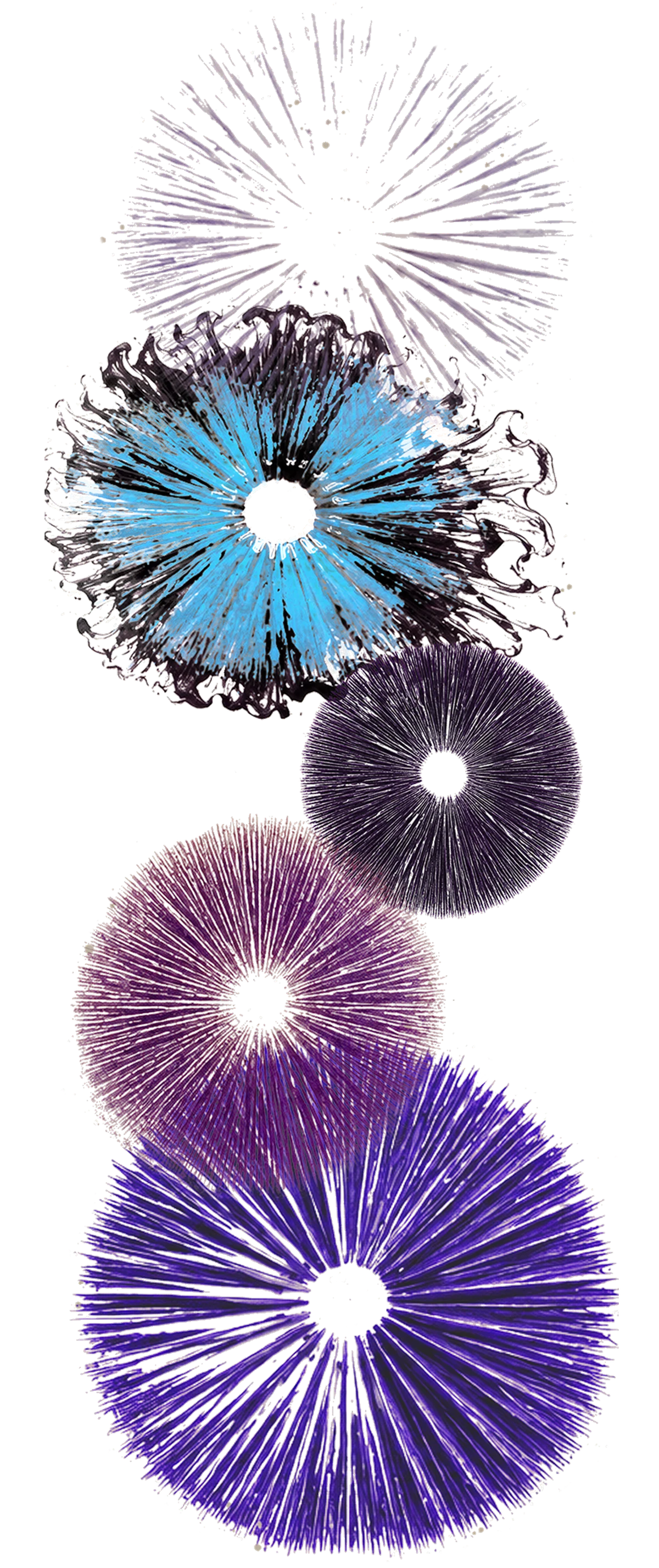
Meet the art of the spore. These illustrated prints are inspired by psilocybin-containing mushrooms such as Psilocybe cubensis, Psilocybe semilanceata, Psilocybe cyanescens, Psilocybe azurescens, Psilocybe mexicana and Psilocybe tampanensis.
On a busy Saturday morning at London’s Covent Garden Market, Sidath Rankaduwa sets down his tea and smiles.
“Consciousness is definitely having a moment,” says the PhD candidate in neuroscience. “And psychedelics are part of that conversation.”
Working with Adrian Owen, PhD, a professor in cognitive neuroscience, Rankaduwa studies how psilocybin – the psychoactive compound in “magic mushrooms” – alters perception, particularly through visual illusions. To him, these illusions offer glimpses into the brain’s hidden assumptions about the world.
“There’s a confluence happening,” he says. “AI, access to massive amounts of information, renewed interest in psychedelics – all of it is feeding into a broader inquiry. What is consciousness? What systems have it? And how can we use these tools to actually help people with mental health struggles?”
To explore these questions, Rankaduwa developed an online psychophysics experiment that recruits people planning to take psilocybin and asks them to complete visual illusion tasks while under the drug’s effects.
In one task, participants view the hollow-mask illusion, in which the inside of a rotating face mask appears to bulge outward like a normal face. The illusion occurs because the brain expects faces to have a particular shape and overrides what the eyes are actually seeing.
By observing how that illusion holds – or falls apart – under psilocybin, Rankaduwa is exploring how psychedelics influence the brain’s construction of reality.
For someone living with depression or post-traumatic stress disorder, that disruption may also prove therapeutic.
In that sense, psychedelics are neither cures nor shortcuts to enlightenment. They are provocations – neurological invitations to experience the mind as something constructed rather than fixed.
“You may experience something radically different – a different self, a different world.”
— Sidath Rankaduwa, PhD Candidate
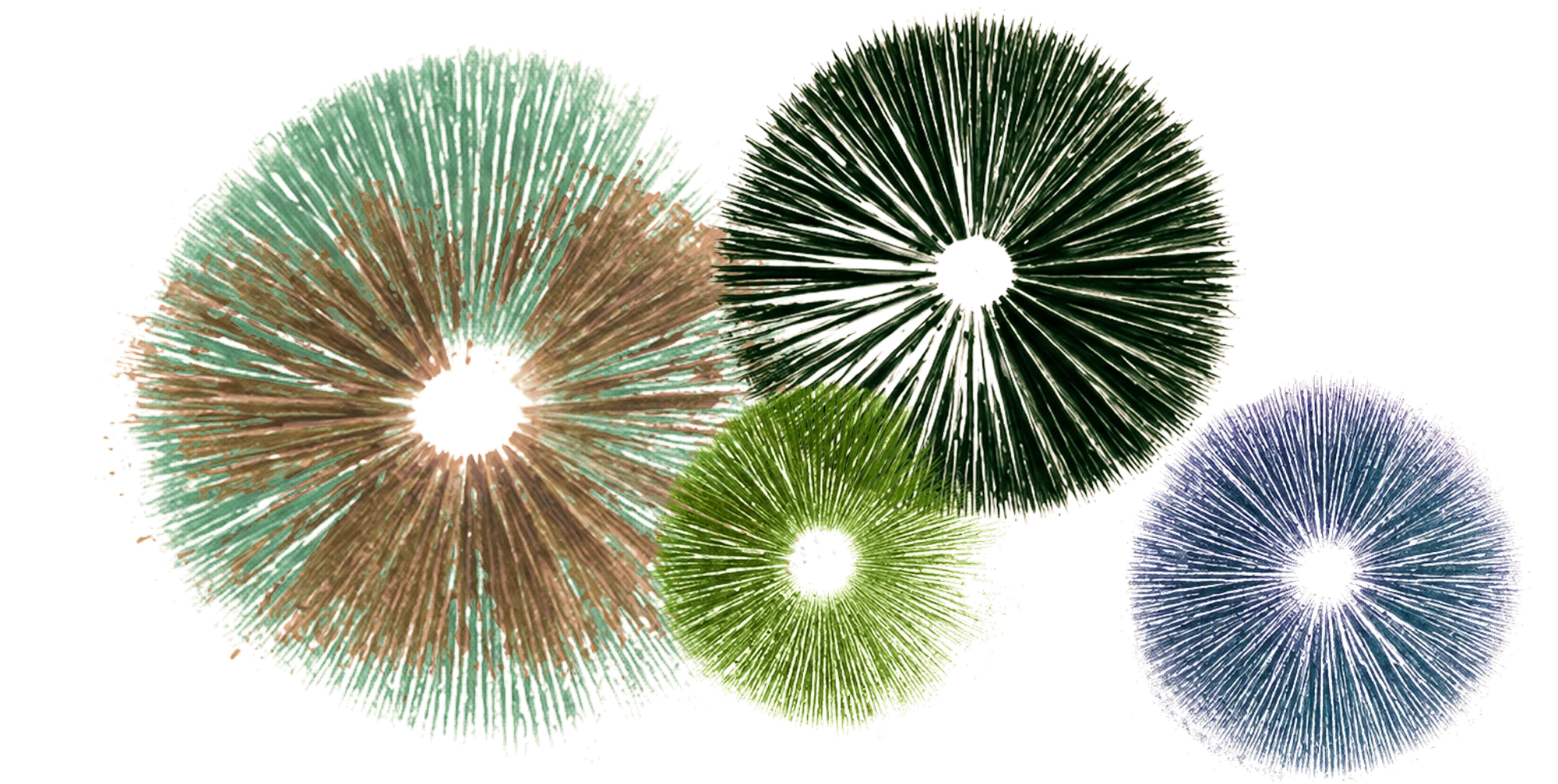
Every print tells a story. Spore colour and pattern can help distinguish one mushroom species from another. Placed gill-side down, a mature mushroom releases spores onto the surface below.
Loosening the mind’s patterns
If Rankaduwa is interested in how psychedelics reshape perception, Dr. Joshua Rosenblat, MD’14, is focused on a more immediate question: Can they actually help patients get better?
“I remember thinking: These treatments could actually be game changers,” says Rosenblat, a psychiatrist, researcher and associate professor at the University of Toronto. “Patients who’ve been suffering for years – maybe they don’t have to suffer anymore.”
Speaking from his office in Toronto, Rosenblat describes the brain as a garden. In mental illness, it becomes overgrown where patterns of thought and behaviour tangle into something hard to escape and manage.
Psilocybin-assisted therapy, he says, may work in two stages. First, under the drug’s effects, those entrenched patterns loosen – the weeds are pulled.
“Then,” Rosenblat explains, “with expert guidance, patients begin to plant something new.”
With funding from the Canadian Institutes of Health Research, Rosenblat is conducting clinical trials to evaluate psychedelics for psychiatric disorders. He specializes in treating depression and bipolar disorder, particularly in patients who don’t respond to conventional care. About one in three Canadians will experience a mental illness in their lifetime – and among them, roughly 20 to 33 percent won’t improve with standard treatments.
“I see it every day,” he says. “You prescribe medication, and it just doesn’t work. And the stakes are incredibly high with severe illness.”
That frustration has shaped his research. His focus is pragmatic: Can psychedelic therapies safely help people who have run out of treatment options? What’s happening in the brain when they do? And how do you build a system around these treatments that doesn’t make things worse?
“In some ways, I’m an outlier in this field,” he says. “I didn’t come into it from a philosophical angle. I came into it because my patients aren’t getting better.”
What he’s seen so far is promising – sometimes strikingly so.
“People improve in ways you don’t typically see,” he says. “That’s incredibly meaningful.”
But the promise comes with risk. Psychedelics don’t just loosen harmful patterns – they can also surface buried distress, sometimes intensely.
“They shake up the snow globe of the mind,” he says. “And what comes up isn’t always pleasant.”
That’s why, he argues, context matters as much as chemistry. Without proper support – trained therapists, screening, structured environments – the same experience that leads to healing could also lead to harm.
“If someone has a lot of difficult material under the surface, psilocybin can bring it out,” he says. “Doing that alone, or in an unregulated setting – that’s where I have concerns.”
Access is also an issue.
“My worry is that 10 years from now, this will only be accessible to a small subset of people,” he says. “What I hope is that it becomes part of standard care.”
“Patients who’ve been suffering for years – maybe they don’t have to suffer anymore.”
— Dr. Joshua Rosenblat, MD’14
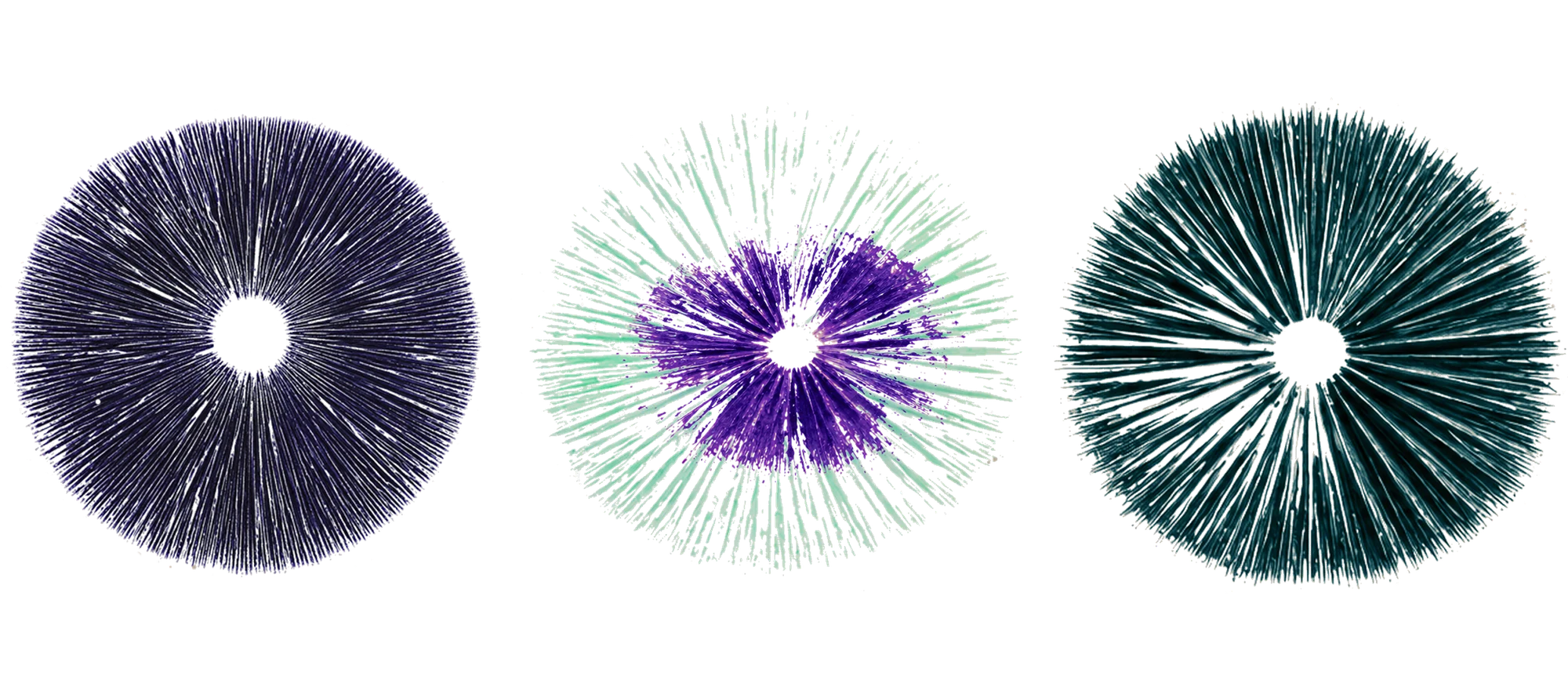
A spectrum of spores. From white and cream to pink, rusty brown and purple-black, spore colour helps distinguish species that may be edible, potentially therapeutic or dangerously toxic. Because when it comes to mushrooms, knowing what belongs on your pizza – and what definitely doesn’t – matters.
From real-world use to the lab
For neuroscientist Jibran Khokhar, PhD, whose work bridges real-world use of psychedelics and scientific validation, the fascination with the brain started early – with a school project.
“We had to make time capsules in grade eight,” he recalls. “And I put a brain on mine. It was the ultimate mystery to me. This little pound of flesh – it’s everything. It’s how we love, how we think, how we connect. It’s also how we harm.”
Today, Khokhar, an associate professor and Canada Research Chair in Translational Neuropsychopharmacology, studies how substances like psychedelics and cannabis reshape the brain’s reward and social systems, using mice to understand addiction and psychiatric illness.
But his approach doesn’t stop at the lab. He actively tracks how people are using these substances in vape shops, dispensaries and online forums.
“I’ll go talk to people at dispensaries. I’ll read Reddit threads,” he says. “Some of our research questions come directly from that.”
One ongoing study inspired by online discussions is examining how cannabis and psilocybin affect dopamine activity, reward circuits and social behaviour in mice.
“Both drugs are often associated with increased social connection, but we still don’t fully understand what’s driving those effects,” Khokhar says. “This study will help us better understand the role of dopamine in social behaviour, as well as the similarities and differences between psilocybin and cannabis.”
By translating real-world observations into laboratory research, Khokhar hopes to better understand how these substances alter behaviour and brain function – and when those changes might become harmful or potentially therapeutic.
Underlying it all is the same realization he had as a teenager: The brain is both fragile and powerful, capable of extraordinary good and profound harm.
“This little pound of flesh – it’s everything. It’s how we love, how we think, how we connect. It’s also how we harm.”
— Jibran Khokhar, PhD