Search Website
Space, Through a Microscope
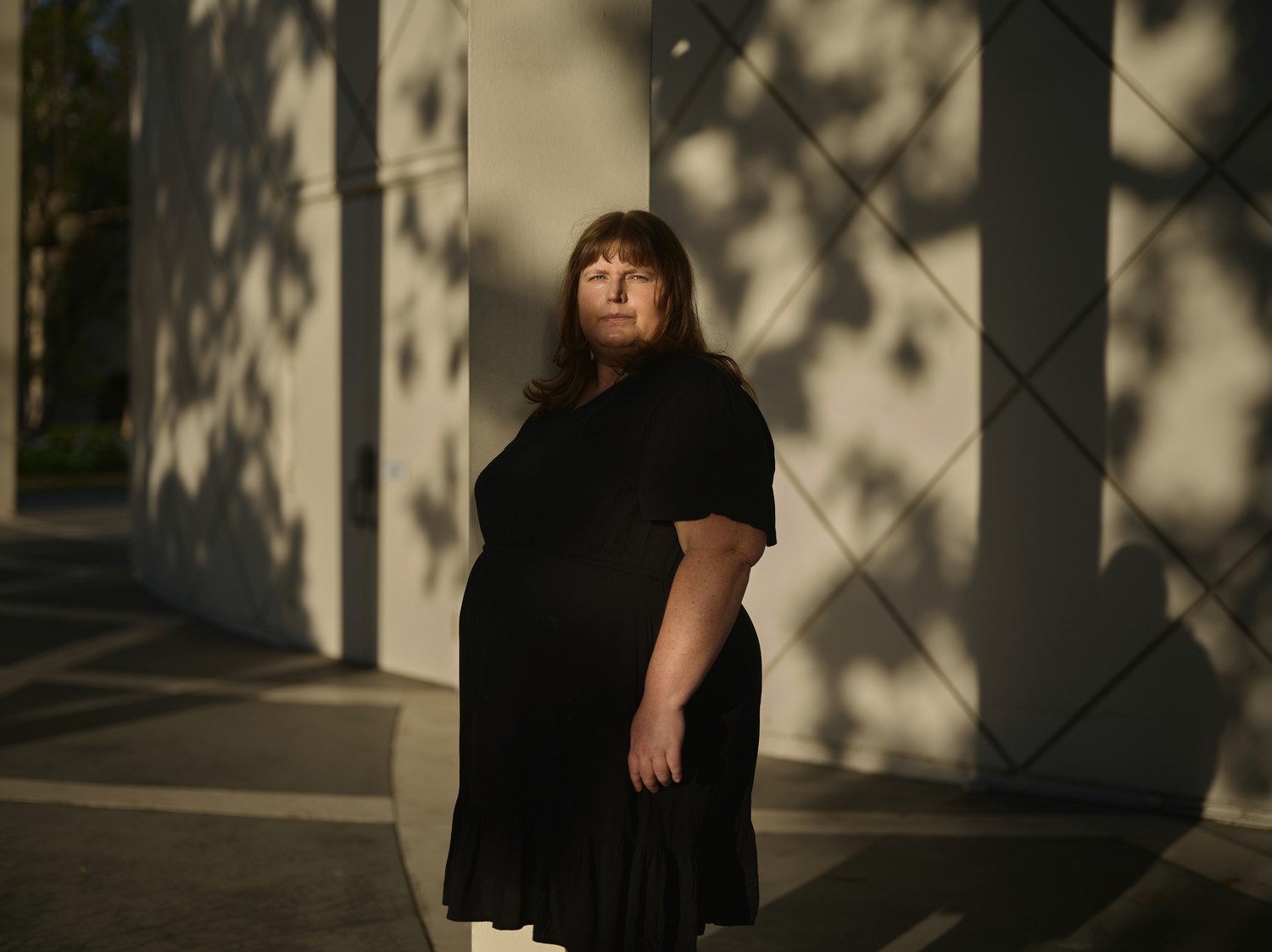
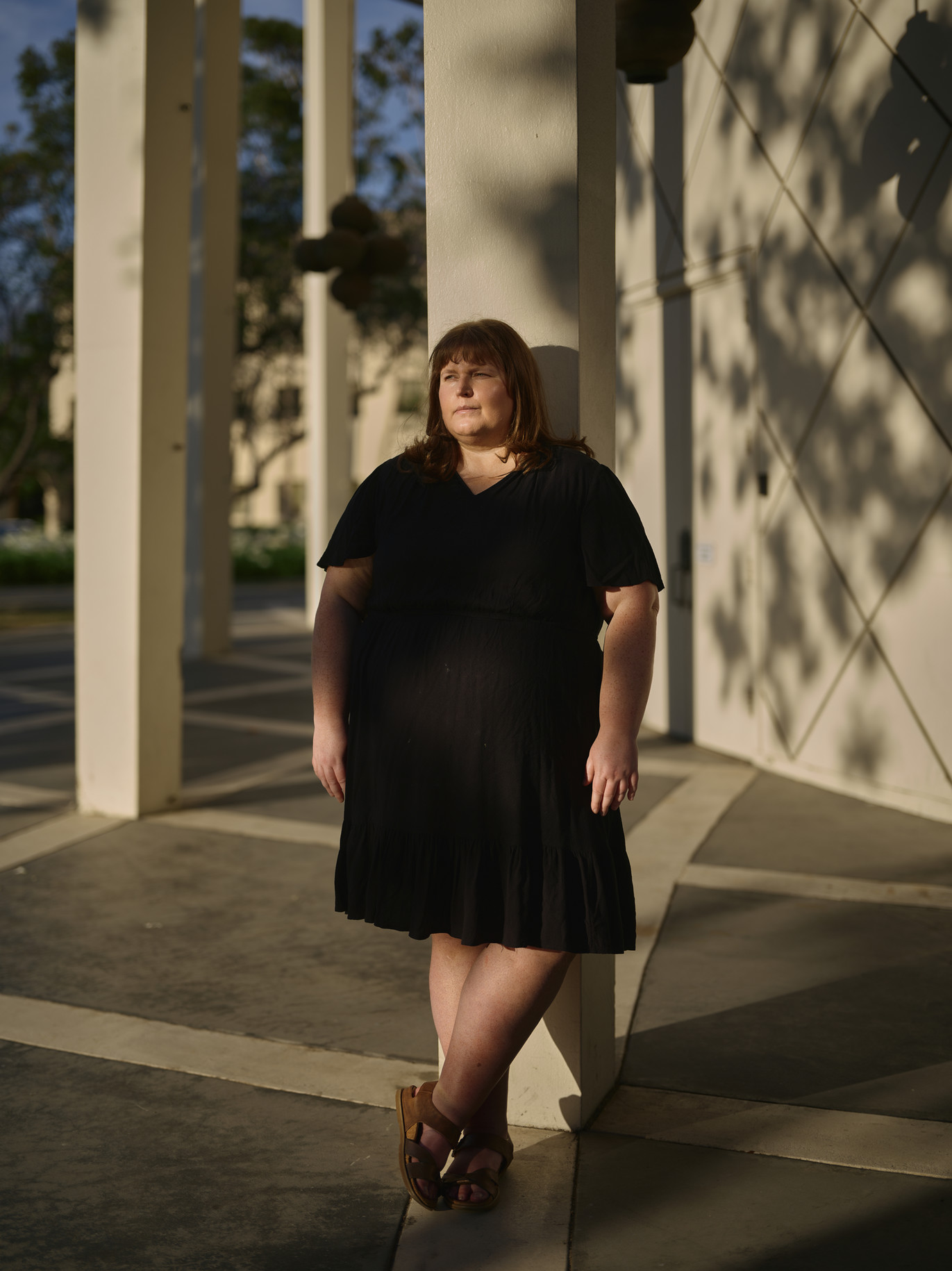
Camilla Urbaniak, PhD'16, is exploring space without ever leaving Earth.
As principal investigator at NASA's Jet Propulsion Laboratory in California, she's leading projects conducted on the International Space Station that examine how bacteria change in space – inside the human body and on the surfaces around it.
"The goal of this research is to better understand how spaceflight affects the human body and the microorganisms that live within us," says Urbaniak. "That knowledge helps us develop strategies to protect astronaut health as we prepare for longer-duration missions to the moon and Mars."
“The goal is to better understand how spaceflight affects the human body and the microorganisms that live within us.”
— Camilla Urbaniak, PhD'16
The human body relies on the microbiome – bacteria, fungi and viruses – to regulate the immune system, digest food and help protect against pathogens.
“Every person carries a complex community of microorganisms, known as the microbiome,” Urbaniak says. “We're investigating how spaceflight alters that community and whether those changes affect astronaut health”
“We also want to understand what those changes mean. If beneficial microbes are depleted during spaceflight, probiotics may be one approach to help restore a healthy microbial balance.”
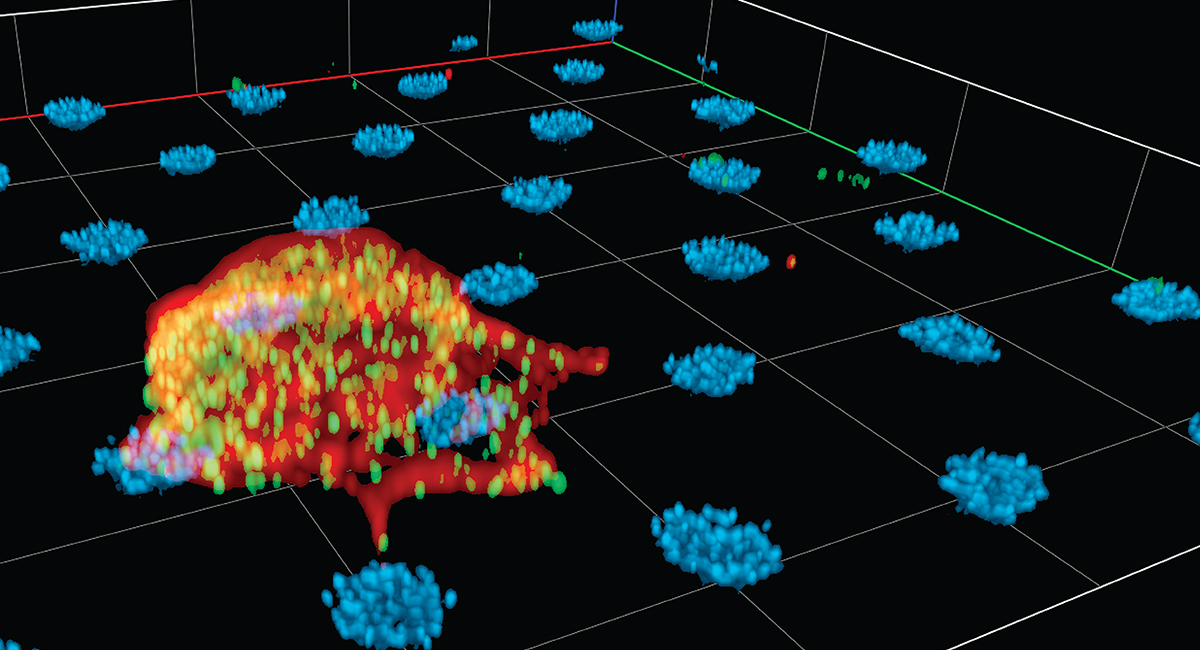
Outside the body, bacteria can accumulate in sticky layers known as biofilm. In May, the Urbaniak-led ODYSSEY project sent bacteria to the International Space Station to learn more about biofilm production in space.
“Biofilms are an important consideration for long-duration spaceflight,” Urbaniak says. “Microorganisms tend to form more robust biofilms in microgravity, and those biofilms can accumulate on spacecraft surfaces and within water systems, posing challenges for both equipment and crew health.”
“If we understand why biofilms form differently in space, we can develop more effective countermeasures. That's especially important for future missions to the moon and Mars, where managing risks on board will be critical because returning astronauts to Earth isn't always an immediate option.”
The ODYSSEY project also examined horizontal gene transfer, one way in which bacteria are able to adapt and survive in changing environments.
“When we use simulated microgravity devices on Earth, bacteria exchange genes between each other more readily. Now we're investigating whether spaceflight has a similar effect,” Urbaniak says.
And that could be a problem. “This resistance could potentially pose a serious threat to astronauts if they fell ill, especially on long-duration space missions, as medical attention would not be readily available,” one of Urbaniak's recent research papers noted.
Solving problems has been fueling Urbaniak's work since her childhood in Mississauga.
“My dad has a PhD in physics, and we would spend evenings working through math, chemistry and physics problems together,” she says. “I would ask him questions and bounce ideas off him. I had someone who could answer almost anything I wanted to know, so it naturally led me to keep asking questions. I think that's where my love of research began.”
She earned her bachelor's degree in microbiology at the University of Toronto and her master's degree in mucosal immunity at McMaster University.
She came to Schulich Medicine & Dentistry to study the microbiome and women's health under Gregor Reid, PhD, professor emeritus.
As her doctoral work was coming to an end, Urbaniak came across a posting for the microbiology group at the Jet Propulsion Laboratory.
“It gave me goosebumps. This is exactly what I want to do,” she recalls.
Reid encouraged her to publish a review paper related to space on how probiotics can be utilized for female astronauts.
“He was an amazing mentor. He encouraged me to be proactive, to show my enthusiasm for space biology, and to think about how my research could address the kinds of biological questions NASA was interested in.”
Urbaniak joined NASA as a postdoctoral fellow in 2016, becoming a research scientist in 2019 and principal investigator a year later. She's excited to see interest in space exploration renewed by NASA's Artemis moon missions, which took the first Canadian, Jeremy Hansen, into deep space.
“As a Canadian, I was very proud of that. People are definitely more interested in space after Artemis,” she says.
“When I was younger, I wanted to go to space. I think it must be the most amazing feeling to stand on the moon and look at Earth.”
— Camilla Urbaniak, PhD'16
Urbaniak sees no shortage of questions for microbiome researchers to tackle, from fighting disease to breaking down plastic waste.
“Bacteria can do so many things. We know that they respond differently in space. Can we use space to accelerate the processes? Can we grow them in space so they can benefit Earth?” Urbaniak says. “There are so many ideas.”