Search Website
Under Pressure: Inside the Science of Stress
The stress response is one of the body's oldest survival tools.
Hormones like adrenaline and cortisol surge through the bloodstream, raising heart rate and blood pressure, boosting energy and preparing us to fight for our lives, or run for them.
That's a good thing if the threat is a lion or a speeding car. Modern life, however, triggers the same response when work becomes overwhelming, the news cycle feels relentless, or everyday frustrations, like a neighbour's barking dog, never seem to stop.
“When we constantly expect something to go wrong, our stress response can stay switched on, even when there's no immediate threat.”
— Wataru Inoue, PhD
When stress never fully switches off, the consequences can ripple through nearly every part of the body.
"To respond to stress and to a threatening situation is completely normal, and in fact very important for our survival," says Wataru Inoue, PhD, physiologist and associate professor. "But we also know this response can be dysregulated, and this can lead to serious health problems."
Chronic stress disrupts almost every system in the body. It increases the risk of anxiety, depression, digestive issues, headaches, heart disease and sleep disorders. It can lower sexual desire and make conceiving a child more difficult. Chronic stress also suppresses the immune system and may increase the risk of cancer.
For many of us, chronic stress is a constant backdrop to daily life. Surveys in Canada and the United States show rising levels of anxiety tied to burnout at work, financial insecurity, climate change and global instability.
Part of the challenge, Inoue says, is that humans are wired not only to react to danger, but to anticipate it.
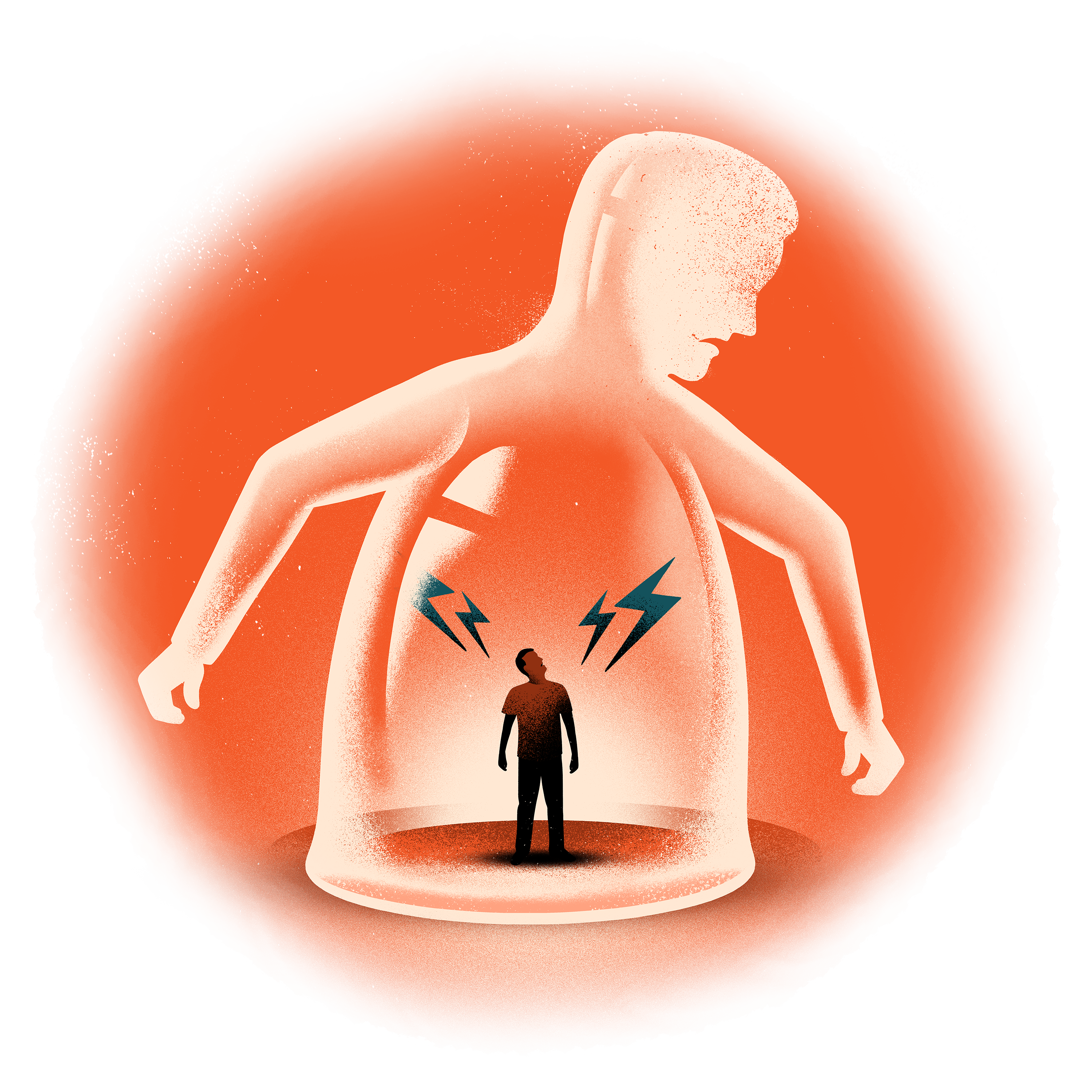
"It's much more effective to prepare for something bad before it happens," he says. "But when we constantly expect something to go wrong, our stress response can stay switched on even when there's no immediate threat."

An on/off switch
for stress
An on/off switch for stress
At the centre of the stress response is a network called the hypothalamic-pituitary-adrenal (HPA) axis. When the hypothalamus senses a threat, it sets off a chain reaction that floods the body with cortisol.
One of cortisol's key roles is mobilizing glucose, providing the body with an immediate source of energy. But its effects extend beyond energy production. Because cells throughout the body respond to cortisol, the hormone influences a wide range of biological processes.
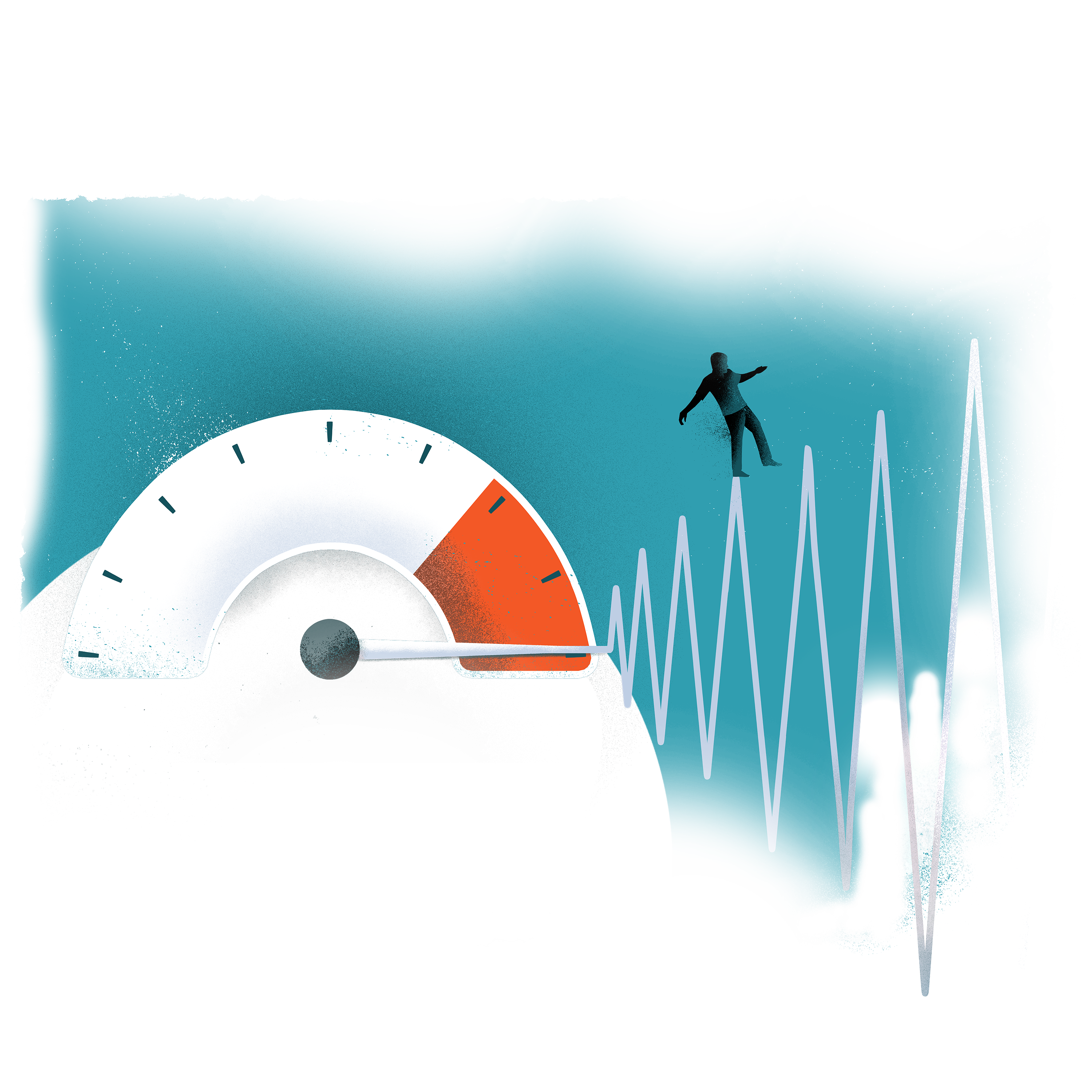
The HPA system doesn't just turn on the stress response. It's also designed to shut it down when the stressor has gone away. But sometimes the system gets stuck in the "on" position and keeps signalling stress even when there's no threat in sight.
Understanding why this happens is one of the central questions driving Inoue's research. Scientists understand the broad outlines of the stress response, but many of the underlying neural mechanisms remain unclear.
"My research focuses on the neural circuits that allow the brain to quickly turn on the stress response, but just as importantly, turn it off when it's no longer needed," Inoue says.
Inoue studies the brain at the level of individual neurons. In mice, he can examine the electrical activity of single neurons and see how they react under stress. He can also connect neurons to computer models to study how they respond to simulated brain signals.
He's especially interested in the neurons in the paraventricular nucleus (PVN), a part of the hypothalamus that directly triggers the stress response. In previous work, he's seen how activity in the PVN changes when the brain detects stress.
Inoue hopes studying these neural circuits could lead to a deeper understanding of why the stress response sometimes fails to switch off, eventually informing new treatments for anxiety, depression and post-traumatic stress disorder (PTSD). He recently received a million-dollar grant from the Canadian Institutes of Health Research to advance the work.
Stress and the
immune system
Stress and the immune system
Inoue also collaborates with Mansour Haeryfar, PhD, professor of immunology, who is studying how the stress response affects the immune system, and how it might be implicated in cancer and infectious diseases.
In the short term, stress can actually boost certain parts of the immune system, Haeryfar says. This makes sense given a stressful situation might lead to an injury the body needs to be ready to respond to.
“Prolonged or chronic stress has been known for many, many years to cause immunosuppression that will weaken immune responses.”
— Mansour Haeryfar, PhD
But chronic stress is a different story.
"Prolonged or chronic stress has been known for many, many years to cause immunosuppression that will weaken immune responses," Haeryfar says.
Research shows chronically stressed people have a weaker response to both vaccination and infection. Epidemiological studies also suggest a link between stress and uncontrolled cell growth, higher cancer mortality, and generally poorer prognoses for cancer patients.
Chronic stress can impair – and even kill – some of the immune system's T cells, which play an important role in recognizing and destroying infections.
Haeryfar is interested in one particular kind of T cell, called the invariant natural killer T ( iNKT) cell. Among other functions, these cells help identify and destroy abnormal cells before they grow out of control.
Haeryfar's work shows iNKT cells aren't actually killed by chronic stress. Instead, cortisone suppresses their function, activating a regulatory mechanism that renders them dysfunctional and prevents them from doing their job effectively.
If chronic stress increases the likelihood of cancer, this could be one of the mechanisms responsible, Haeryfar says.
Clues in the
immune system
Clues in the immune system
Haeryfar's lab recently made an unexpected discovery when graduate students in his lab, including PhD candidate Agetha Mahendran, were studying the effects of prolonged stress on mice.
"We were looking at the liver and saw this massive accumulation of cells. So we said, okay, what are these cells doing here?" Mahendran says.
The cells turned out to be myeloid-derived suppressor cells, a regulatory cell that weakens the immune system. It's still not clear exactly why they showed up in such abundance. The finding may offer another clue to how chronic stress alters the immune system.
"Previous research has helped us understand the complexities of the immune system. But findings like this remind us there are still important pieces of the puzzle missing."
Haeryfar recently received a grant from the Natural Sciences and Engineering Research Council of Canada in support of his studies.

When the brain
stays in
survival mode
When the brain stays in survival mode
Perhaps the most dramatic effects of stress occur in people living with PTSD, where the brain's survival response remains locked in the past. Dr. Ruth Lanius, professor in psychiatry, studies and treats patients whose lives have been profoundly shaped by trauma.
"At the core of PTSD is that traumatic memories are not remembered, but they're relived," Lanius says. "If you were strangled, you can actually feel somebody strangling you over and over again. Or you see things happening over and over again that you saw at the time of the trauma."
“Traumatic memories are not remembered, but they're relived.”
— Dr. Ruth Lanius
Lanius, a psychiatrist at London Health Sciences Centre, tells the story of a patient she calls Suzy, who grew up with an alcoholic father and a neglectful mother. As a youth, she was sexually abused. As an adult, she suffered from PTSD that showed up as flashbacks, depression, and feelings of being disconnected from herself. She spent years in psychiatric institutions before finally finding effective treatment.
PTSD first came to widespread scientific attention through studies of military veterans. One study found 13 per cent of combat veterans developed PTSD, and the more combat they encountered the more at risk they were to develop it.
But researchers soon began to realize that civilians also experience surprisingly high levels of trauma. An estimated 70 per cent of women have experienced a traumatic event, and more than half of both sexes will go through at least one traumatic event in their lives. Estimates suggest that between five and 10 per cent of the population will experience PTSD at some point.
PTSD can affect nearly every aspect of a person's life. Symptoms can include intrusive memories and nightmares, irritability, hypervigilance, poor concentration and emotional withdrawal. People with PTSD are also more likely to suffer from substance use disorders, mood and anxiety disorders, impulsive or dangerous behaviour and self-harm.
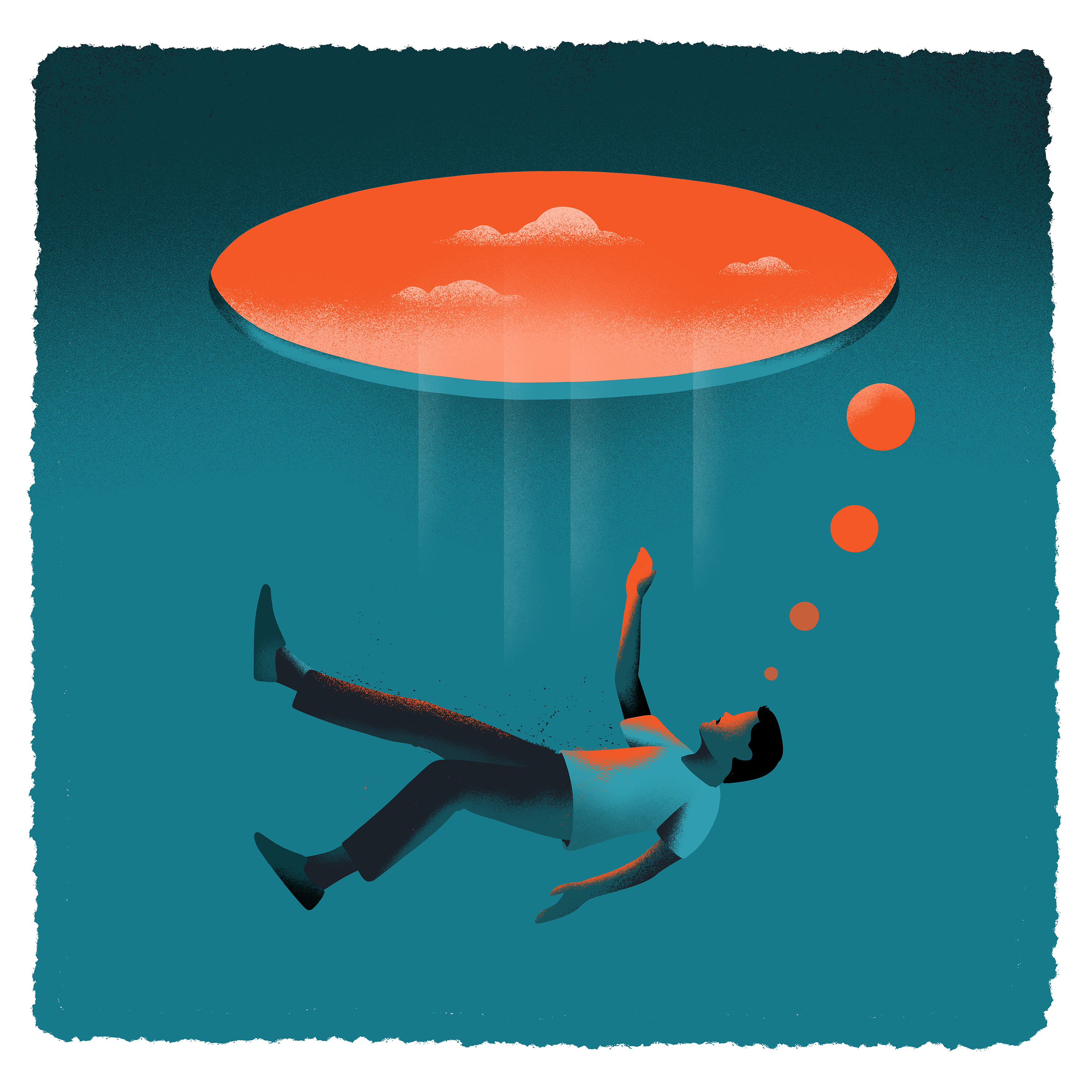
"You're always expecting the worst, and you're always back at the scene of the trauma," says Lanius, who holds the Harris-Woodman Endowed Chair in Psyche and Soma. "So the past becomes ever present, both internally, in your body, and in your worldview. The world becomes a bleak place."
As in the case of chronic stress, one of the big questions is how and why PTSD develops in the first place. Even among veterans who have gone through intense and repeated combat, most won't develop PTSD.
Lanius says there are a variety of risk factors. Some appear to be genetic. For instance, people suffering from PTSD are more likely to have a particular genetic variation that affects how the body responds to cortisol. Other risk factors are chronic stress, and the number of traumatic events a person has experienced.
Lanius's research looks at what goes wrong, and what the best methods of treatment are.
"The brain is brilliant at adapting to stress," she says. "Lower parts of the brain take over – what we call the survival brain. That part of the brain can react very quickly and help the person engage in certain defensive responses that increase their chance of survival. But it comes at a cost."
“The brain is brilliant at adapting to stress. But it comes at a cost.”
— Dr. Ruth Lanius
When people get stuck in that state, they will continue to feel fear and hypervigilance. At the other extreme, they may become emotionally numb, detached, and feel like the world is no longer real.
Lanius says there are a number of techniques that try to reintegrate the higher functions of the brain and turn down the extreme reactions of the survival brain.
Often these techniques involve helping people to "reinhabit" their bodies. For instance, a technique called sensory motor arousal regulation treatment has people receive therapy in a "sensory gym," equipped with swings, balance boards and other equipment. The treatment blends movement and sensory input to regulate the nervous system, helping manage stress, emotions and physiological responses.
Another, called deep brain reorienting, has people think about a trauma and become aware of the muscles in their shoulders, neck and face – muscles that automatically orient us towards danger when it is occurring.
In both cases, the treatment is meant to work "from the bottom up," making patients aware of automatic reactions and helping them process traumatic memories in a more helpful way.
"This therapy seems to restore connection between lower and higher parts of the brain," Lanius says. "People often say that for the first time, they're able to reinhabit their body, because their body was in such a place of stress and pain."
Stories like Suzy's underscore a hopeful reality: the same brain that adapts to survive trauma can also learn to heal.
In Suzy's case, therapy took several years. But by the end, she was able to establish a career and live a rewarding life, Lanius says.
"I think what's most touching is that she regained hope. She never thought she would be able to function in life and experience joy ever again. And she found joy."
Tips for
managing stress
Tips for managing stress
Pay attention to triggers
Stress often follows predictable patterns. Identifying situations, people or pressures that trigger stress can help you develop healthier ways of responding.
Stay connected
Talking with family, friends or colleagues can help put challenges into perspective, reduce isolation and offer new ideas or advice.
Move your body
Regular physical activity can improve mood, reduce anxiety and help regulate the body's stress response.
Prioritize rest
Adequate sleep is essential for both physical and mental health. Relaxation practices such as meditation, mindfulness and deep breathing may also help.
Make time for things you enjoy
Leisure activities, hobbies and time outdoors can provide important opportunities to recharge and recover.
Know when to seek help
If stress becomes overwhelming or begins affecting daily life, a health-care professional can help identify treatment and support options.
Source: Health Canada and the Centre for Addiction and Mental Health (CAMH)