Children with familial hypercholesterolemia have dangerously high cholesterol levels that can lead to early heart disease. A clinical trial in adolescents co-led by Dr. Robert Hegele found that the RNA-targeting drug inclisiran administered every six months safely lowered LDL (“bad”) cholesterol by about one-third. The treatment could offer a simpler way to help young patients manage this inherited condition.
Tiny algae called diatoms produce about one-fifth of the world’s oxygen and are emerging as powerful tools for biotechnology. Researchers Emma Walker, PhD’25, and Bogumil Karas, PhD, developed a new technique that temporarily weakens the diatoms’ protective cell wall, making it easier to deliver DNA and genetically engineer the cells. The advance could help scientists harness diatoms to produce sustainable fuels, medicines and other useful products.
A study led by David Edgell, PhD, and Gregory Gloor, PhD’88, used machine learning to identify DNA targets for gene editing. The work uncovered previously unknown DNA patterns that could help make future gene-editing technologies more precise.
A single DNA mistake can leave cells with instructions to stop building a protein before it’s complete. A research team led by Patrick O’Donoghue, PhD, developed engineered transfer RNAs that enable cells to read past these false stop signals. In lab models of frontotemporal dementia, the approach restored more than 70 per cent of the missing protein while outperforming existing drug treatments.
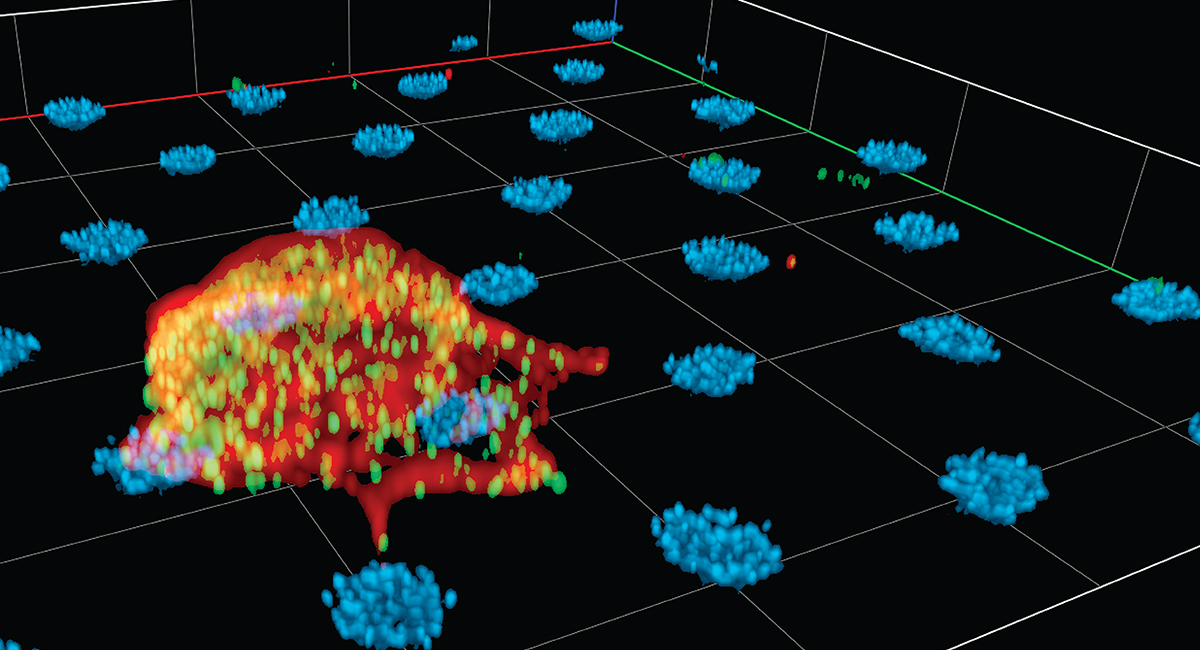
CAR-T cells are engineered immune cells designed to attack cancer, but tracking them inside the body remains a challenge. A team led by John Ronald, MSc’03, PhD’09, developed gene-edited CAR-T cells that can be tracked using optical and PET imaging. In mouse models of leukemia and ovarian cancer, the approach revealed where the cells accumulated, offering a new tool to improve the safety and effectiveness of these promising therapies.
A study led by Xiufen Zheng, PhD, identified an RNA molecule that may help predict the severity of sepsis, a life-threatening response to infection. Patients with higher levels of the molecule spent longer in intensive care. The study also introduced improved methods for identifying circular RNAs, opening the door to new disease biomarkers.
Researchers led by David Edgell, PhD, reprogrammed a DNA-cutting enzyme to recognize new genetic sequences. The team identified a small region of the enzyme that controls where it cuts DNA, a discovery that could help scientists develop more flexible and precise gene-editing tools.
A study led by Dr. Craig Campbell and Bekim Sadikovic, PhD’07, identified a unique DNA methylation pattern – a molecular fingerprint – for Duchenne muscular dystrophy. The finding could help improve diagnosis while offering new clues about why the disease progresses differently from one patient to another.
Rare mutations in the NARS1 gene can cause an inherited neurodevelopmental disorder, with no treatment currently available. A team led by Ilka Heinemann, PhD, identified several ways to restore normal function in cells carrying the disease-causing mutation, including one that uses a naturally occurring amino acid called asparagine. The findings lay the foundation for future therapies.