Search Website
From One Generation to the Next
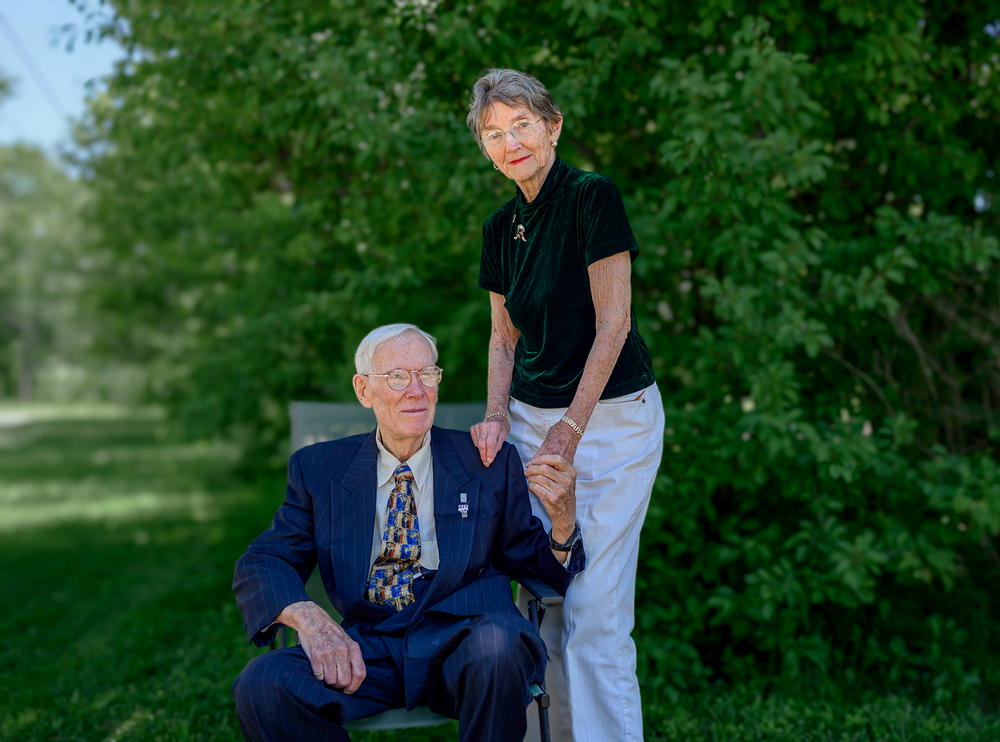
Amid acres of trash, Dr. Jim Anderson, MD'65, once helped rescue a man trapped beneath a toppled bulldozer at the local dump.
“He was up to here in garbage,” Anderson recalls, indicating his waist. “We saved him.”
The incident was just one example of what Anderson found uniquely appealing about rural medicine during his 44 years as a family physician in Lucan, Ont.
“We want to provide more opportunities for students to train in a rural setting, and prevent people from getting stranded without family doctors.”
— Dr. Jim Anderson, MD'65
“There's no way to anticipate what might occur, which presents an exciting intellectual challenge,” he says.
The relationships that grew from caring for patients across the lifespan – spanning four generations of some families in the close-knit community – were rewarding in a different way.
Any time one of his patients underwent major surgery in London, he was there to scrub in, so they could count on seeing a familiar pair of eyes in the sea of blue and green surgical masks. “The operating room is a frightening place, and it helps to see at least one friendly face that you know is on your side,” Anderson says.
Now, decades after building a career in rural Ontario, Anderson and his wife Claire, who both grew up in nearby Arva, are helping future physicians experience rural practice earlier in their training.
"We want to provide more opportunities for students to train in a rural setting, and prevent people from getting stranded without family doctors," Anderson says.
Since physicians often opt to remain where they train, the couple believes early exposure to rural practice can help grow the number of doctors in communities facing physician shortages.
To support that goal at Schulich Medicine & Dentistry, they recently established an endowment named after Anderson's mother, who graduated as a registered nurse 100 years ago. This will help finance education and training opportunities that immerse learners in rural, regional and underserved settings across Southwestern Ontario.
Through a network of community-based placements stretching from Tobermory to Windsor, learners gain first-hand experience in the realities and rewards of practising medicine outside major urban centres.
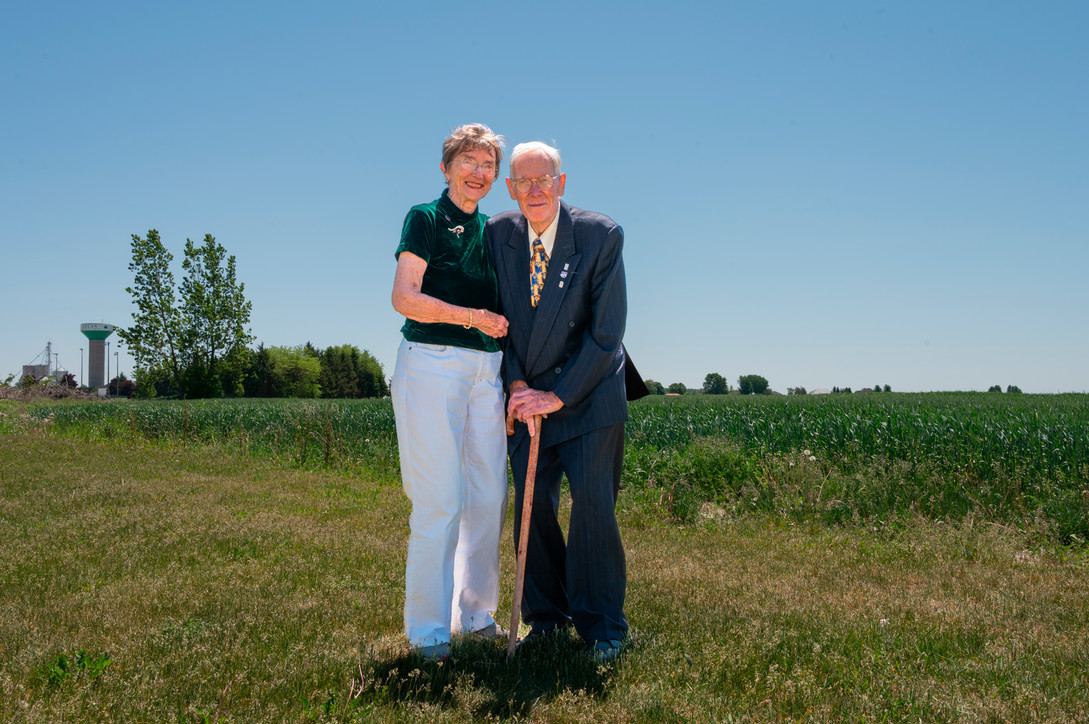
Programs range from Discovery Healthcare Camp, which introduces high school students to careers in health care, to the Sarnia clerkship program, an opportunity for third-year medical students to complete their clinical training in a smaller, regional community.
By contrast, medical education looked very different when Anderson was a student. Learners spent most of their training in the classroom, with far fewer opportunities for community-based experiences. Some of Anderson's most valuable lessons came during his clinical internship, including three months working in the newly opened emergency department at St. Joseph's Health Care London.
That hands-on training helped prepare him for the realities of practice, including the unexpected challenges he would later encounter in rural medicine.
The young couple weren't quite sure what to expect when they moved to Lucan, where an older physician had arranged a house for them and an office for Jim. They would spend the next four decades building a life in the community. “It turned out to be very pleasant,” Claire says.
By expanding opportunities for trainees to experience rural practice first-hand, they hope more physicians will choose to build their careers in communities like Lucan.

An Education in Shelter Health