Search Website
An Education in Shelter Health

The patient's symptoms suggested a blood clot in the lungs.
Dr. Emily Sodhi, MD'26, a medical student at the time, explained the risks. She recommended further testing at the hospital to confirm a diagnosis.
The patient declined. But they agreed to return to the clinic for follow-up.
It was one of many lessons Sodhi would take from her Shelter Health elective.
Sodhi was among the first cohort of medical students to participate in the new two-week elective with Shelter Health in Windsor, Ont., an experience she says “completely shifted” her approach to medicine.
“I realized there is a lot of fragmented trust in the health-care system. Our role as health-care providers is to equip patients with what they need to make an informed choice and, ultimately, honour whatever they decide.”
— Dr. Emily Sodhi, MD'26
Like many cities across Canada, Windsor is confronting a growing homelessness crisis driven by rising housing costs, poverty and gaps in health and social supports.
Shelter Health is a collaborative effort between Windsor Shelter Health Associates, the Windsor-Essex branch of the Canadian Mental Health Association, the City of Windsor and Windsor Regional Hospital, designed to deliver critical health-care services to people experiencing homelessness.
The program provides on-site care directly within shelters and other community settings.
Since 2023, it has also served as a training site for family medicine residents. The new elective marks the first formal opportunity for medical students to gain experience in the shelter system.
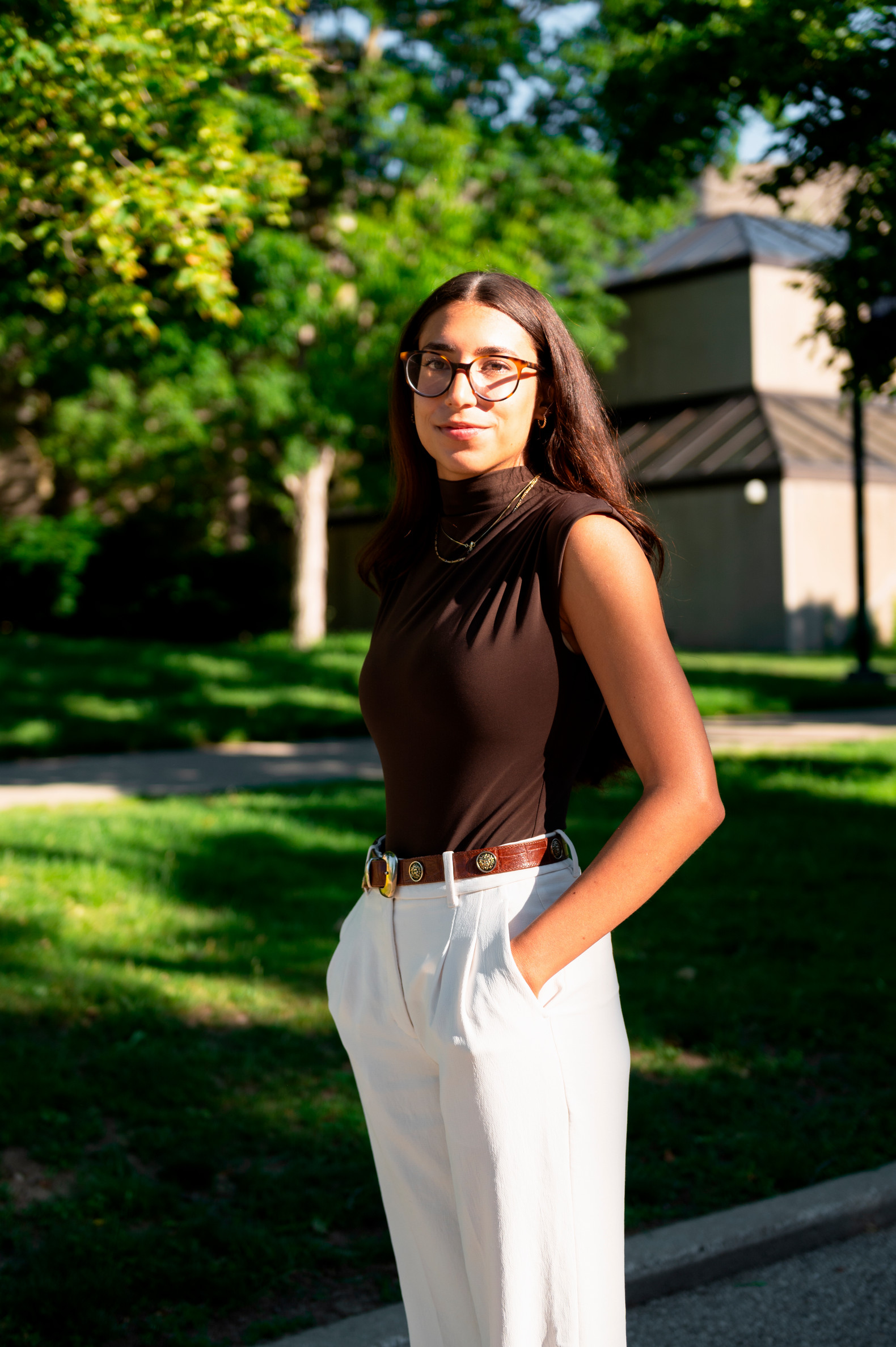
Medical director Dr. Jennifer Bondy, MSc'08, MD'12, says trust is critical when working with patients who have experienced trauma, stigma or negative encounters.
“Before we can talk about treatment, we often have to rebuild trust,” says Bondy, an adjunct professor in family medicine.
Currently, Shelter Health sees between 200 and 250 unique patients each month. Bondy says those numbers continue to increase.
“The word has gotten out,” she says. “People trust us.”
For Sodhi, the elective deepened her understanding of the complex realities faced by people experiencing homelessness.
“We can't confront bias from a distance,” she says. "We need to get involved in our communities, take the time to get to know our patients, and sit with them through uncomfortable conversations."
One patient arrived with a reputation as being aggressive. But over the course of an hour-long assessment, the team determined she likely had a form of dementia.
“At one point in the assessment, the patient actually broke down in tears because she finally felt validated and understood,” says Sodhi.
The experience also changed how Sodhi thinks about resilience. Too often, she says, people experiencing homelessness are defined by their challenges rather than their strengths.
Bondy sees that resilience every day.
“The things that my patients have gone through and yet, they're here. How amazing is that? And they're resourceful enough to broker a relationship with a shelter support worker.”
— Dr. Jennifer Bondy, MSc'08, MD'12
Many patients are grateful to feel heard by students, she adds, and new faces help expand their comfort with the health-care system.
She expected most students to be interested in family medicine. Instead, the first cohort of four included students pursuing psychiatry, emergency medicine and surgery.
The Shelter Health elective exposes students to complex cases involving mental illness, substance use, housing insecurity and chronic disease – experience Bondy believes is valuable in any specialty.
“It's great to be able to list the social determinants of health, I'm glad people are aware of them, but it's not sufficient,” she says. “We have to know how to take action based on individual patient circumstances. That is the root of patient-centred medicine.”
Bondy hopes that as more students participate in the Shelter Health elective, they will carry those lessons into hospitals, clinics and communities across the country.
“Social change happens a little bit at a time,” says Bondy. “We've got four seeds now going forward into the future physician workforce where they're going to be able to impact people who are working around them. It makes me very excited about the future of medicine.”
As she begins her residency in otolaryngology at the University of Calgary this summer, Sodhi says the Shelter Health elective continues to influence how she thinks about her future practice.
“Fourth year flies by and it's easy to fill it with electives that feel safe and familiar,” she says. "But I'd encourage medical students to use that time to explore what kind of physician their community needs. I believe Shelter Health is an elective everyone should complete, regardless of the specialty they are pursuing."