


Otology and Neurotology Fellowship
Fellowship Description
Name of Fellowship
Otology and Neurotology
Duration
One Year
Fellowship Supervisor(s)
Demir Bajin, MD.
Description
This fellowship offers comprehensive otology, neurotology, and skull base surgery training. The program is designed to enhance clinical, surgical, and academic skills in these subspecialties, preparing fellows to function as competent tertiary referral Otologists/Neurotologists.
Learning Objectives
Medical Expert
- Fellows are expected to enhance their clinical expertise in Otology & Neurotology, becoming capable of functioning independently in both surgical and non-surgical settings by the end of the fellowship.
- The fellow must develop a research protocol, either clinical or basic science, in collaboration with their clinical supervisor, with the aim of contributing to advancements in the field.
- Fellows will cultivate leadership skills through active participation in multidisciplinary conferences, generation of patient management policies, and collaboration with community physicians and healthcare personnel.
- Clinical training for Fellows will occur in the operating room, outpatient clinics, inpatient services, and community settings, tailored to the Fellow's developmental needs and program requirements. This includes exposure to advanced otologic surgeries, tertiary care cases, and the management of complex conditions.
- Each Fellow will have the opportunity to manage a longitudinal clinic, providing experience in long-term patient management and continuity of care.
- Fellows will be expected to demonstrate insight into their clinical limits through ongoing self-assessment and the pursuit of further learning opportunities.
Communicator
- Fellows are expected to enhance their communication skills by engaging in multidisciplinary clinics and coordinating patient management with other specialists and family physicians.
- They will develop an appreciation of the role of nursing and other support services in delivering comprehensive otologic care across different stages of disease progression, exhibiting their ability to work as part of a multidisciplinary team.
- Teaching responsibilities include guiding medical students, residents, and other healthcare professionals, both in the clinical setting and through seminars, talks, or leading discussion groups.
- Fellows will be evaluated on their ability to establish therapeutic relationships with patients, addressing societal, cultural, and end-of-life issues with empathy and clarity.
Collaborator
- Fellows will refine their skills in working as part of a multidisciplinary team, which is crucial in the effective management of otologic and neurotologic conditions. This includes occasionally assuming leadership roles.
- They are expected to demonstrate proficiency in developing comprehensive investigation, treatment, and management plans for patients in a multidisciplinary context.
- Participation in the education of nurses and other healthcare professionals is required to assist in developing patient care directives and guidelines.
- Fellows must develop skills to ensure cohesive, team-based patient care.
Leader
- Fellows are expected to learn to access and apply a broad base of information to patient care in various healthcare settings, including hospitals and ambulatory care centers.
- They must demonstrate an understanding of population-based approaches to healthcare services and their implications for otologic and neurotologic practice.
- An understanding of the planning and organization required for effective multidisciplinary research, whether laboratory-based, population-based, or clinical, is essential.
Health Advocate
- Fellows must recognize and respond to situations where advocacy is necessary for patients, the organization, or society, particularly in the context of otologic and neurotologic health.
- They will demonstrate knowledge of the determinants of health affecting patients or populations, contributing to the improvement of individual and societal health.
- An understanding of the ethical issues in healthcare delivery, clinical trials, and clinical research is required.
Scholar
- Fellows will develop and refine skills necessary for a personal continuing education strategy by taking responsibility for the planning of their fellowship program.
- They must demonstrate skills in undergraduate teaching and in educating other healthcare professionals.
- Fellows undertake research projects that will be presented at major meetings or published in peer-reviewed journals, contributing to scholarly activity in the field.
- Participation in journal clubs, seminars, and other learning activities within the Department of Otolaryngology – Head and Neck Surgery is required, including presenting at multidisciplinary rounds.
- An inquiring approach and interest in the profession are necessary to contribute to the creation of new knowledge.
Professional
- Fellows will demonstrate a commitment to delivering the highest quality care with integrity and compassion in both clinical and research settings.
- They must exhibit appropriate personal and interpersonal professional behavior.
- Knowledge of ethical issues in medical practice and the obligations of physicians to uphold them is essential.
Other Items
Surgical Exposure (3 days/week)
- Skull base procedures-Acoustic neuroma, meningioma, Facial Neuroma, etc.(approx. 15 cases)
- Cochlear implantation-facial recess approach (approx. 120 cases, Adult and Pediatric)
- Stapedotomy-prosthesis placement (approx. 50+ cases)
Clinical Exposure and Responsibility (1.5 days/week)
- Attend specialty clinics (cochlear implant, dizziness)
- Attend Supervisors’ clinics (1/2 day per week)
- Conduct Dizziness clinics (1 day/wk)
Teaching Responsibility
- Lecture (management of the dizzy patient) to clinical clerks -2X/yr
- Assist in conducting practical exams – 4X/yr
- Presentation of Grand Rounds – 1X/yr
- Assist in teaching temporal bone dissection course for residents -1 wk/yr
- Resident teaching - 4X/yr
Research Responsibility
- Two clinical projects in areas of Neurotology-Skull Base Surgery.
- One to two presentations at national or international conferences including the Canadian Society of OTL (CSO), ACIA, ESPCI, APSCI, etc.
- One day per week dedicated research time.
- The fellow will attend all otology & neurotology oriented resident teaching sessions and Journal Clubs. The fellow will attend all departmental rounds.
- The fellow plays a critical part in maintaining the balance between advancing own specialized skills while also prioritizing the education of residents. By reserving surgical procedures specifically for advanced otological cases, they ensure that other surgical cases and experiences are used as prime teaching opportunities for residents. This allows residents to gain hands-on experience without the pressure of competition, fostering a more collaborative learning environment.
- Fellowship is structured in a way that complements, rather than competes with, resident education. This approach underscores the importance of resident teaching, ensuring that they receive the full breadth of training needed to develop their skills, while the fellow can continue to refine their expertise in highly specialized procedures.
Service Expectations
- First call - Academic site(s), no more than 10X/yr
- Second Call - Occasional nights and weekends for Drs. Parnes, Agrawal and Bajin, in the event of an urgent need
Research/Scholarly Project Expectations
- Two clinical projects in areas of Neurotology-Skull Base Surgery.
- One to two presentations at national or international conferences including the Canadian Society of OTL (CSO), ACIA, ESPCI, APSCI, etc.
- One day per week dedicated reserach time.
Assessment
- Evaluations of all Fellows will be conducted at 3-month intervals throughout their Fellowship, in the form of ITERs similar to those used in residency training with a FITER on completion of the Fellowship. The fellowship director will conduct the evaluation process involving the supervisor(s), other clinicians and scientists with whom the Fellow has worked. Other personnel may be included as appropriate, such as, administration, nursing staff and technical staff. All evaluations will be reviewed with the Fellow who will sign off on them.
- They must exhibit appropriate personal and interpersonal professional behavior.
- Knowledge of ethical issues in medical practice and the obligations of physicians to uphold them is essential.
Funding
- International fellows must receive salary support from their institutions and governments or through external grants and scholarships.
Vacation Entitlement
- Four weeks per year (20 business days).
Fellows: Past and Present
List
|
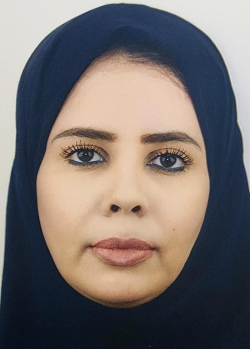
Dr. Asma AlAhmadi |
|
|

Application Process
Interested applicants should send their curriculum vitae and three recent letters of reference from surgical mentors directly to Dr. Demir Bajin at demir.bajin@lhsc.on.ca
The fellowship begins July 1st and concludes June 30th the following year. The next available fellowship is for July 1, 2028 to June 30, 2029. Fellowship applications are due by March 1, 2027. Selected applicants will be invited for an interview by video conference in early 2028.
Fellowship Director
Demir Bajin, MD,FRCSC
Demir.Bajin@lhsc.on.ca
Assistant Professor, Department of Otolaryngology-Head and Neck Surgery
Director - Otology & Neurotology Fellowship Program
Schulich School of Medicine & Dentistry, Western University
Office Contact
Manager, Administration and Finance
Erin Fischer
London Health Sciences Centre-University Hospital
100 Perth Drive Complex, D5-267, London ON N6A 5K8
Ph: 519.685.8500 x55415
erin.fischer@lhsc.on.ca
Mailing Address
Department of Otolaryngology-Head and Neck Surgery
DeptOfOtolaryngology@lhsc.on.ca
Schulich School of Medicine & Dentistry
The University of Western Ontario
c/o London Health Sciences Centre – University Hospital
339 Windermere Road
London, Ontario · N6A 5A5 · Canada
Telephone: (519) 663-3568 ext, 35366
Fax: (519) 663-3916


