



New facility targets viruses before they spread
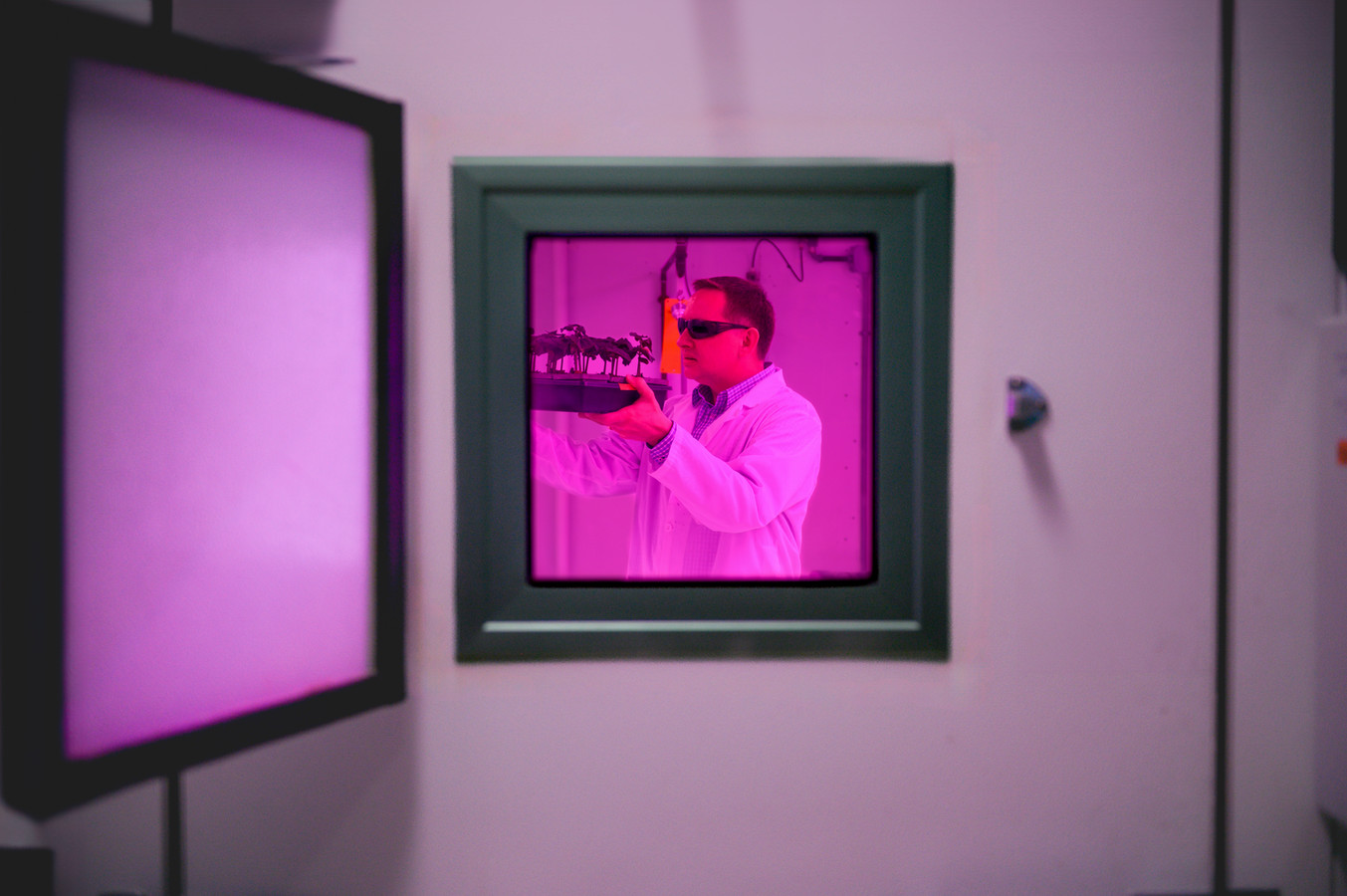
Construction is underway on Western University’s new Pathogen Research Centre – a $44-million facility that brings together real-world testing environments, advanced containment and clinical-grade therapeutic manufacturing under one roof. Backed by federal and provincial funding, the Centre is poised to play a critical role in Canada’s biomedical infrastructure.
“The ability to produce and test homegrown therapeutics in Canada will drive more research, development and commercialization in the biomedical industry,” says Eric Arts, PhD, Canada Research Chair in HIV Pathogenesis and Viral Control.
Read More
Playing video games may improve your cognitive performance
Think gaming is rotting your brain? Think again. Research shows playing video games might actually make your brain sharper. Led by cognitive neuroscientist Adrian Owen, PhD, the Brain and Body Study found that frequent gamers scored like people more than a decade younger on cognitive tests. Meanwhile, it was regular exercise – not gaming – that delivered a mental health boost, reducing symptoms of anxiety and depression.
Read More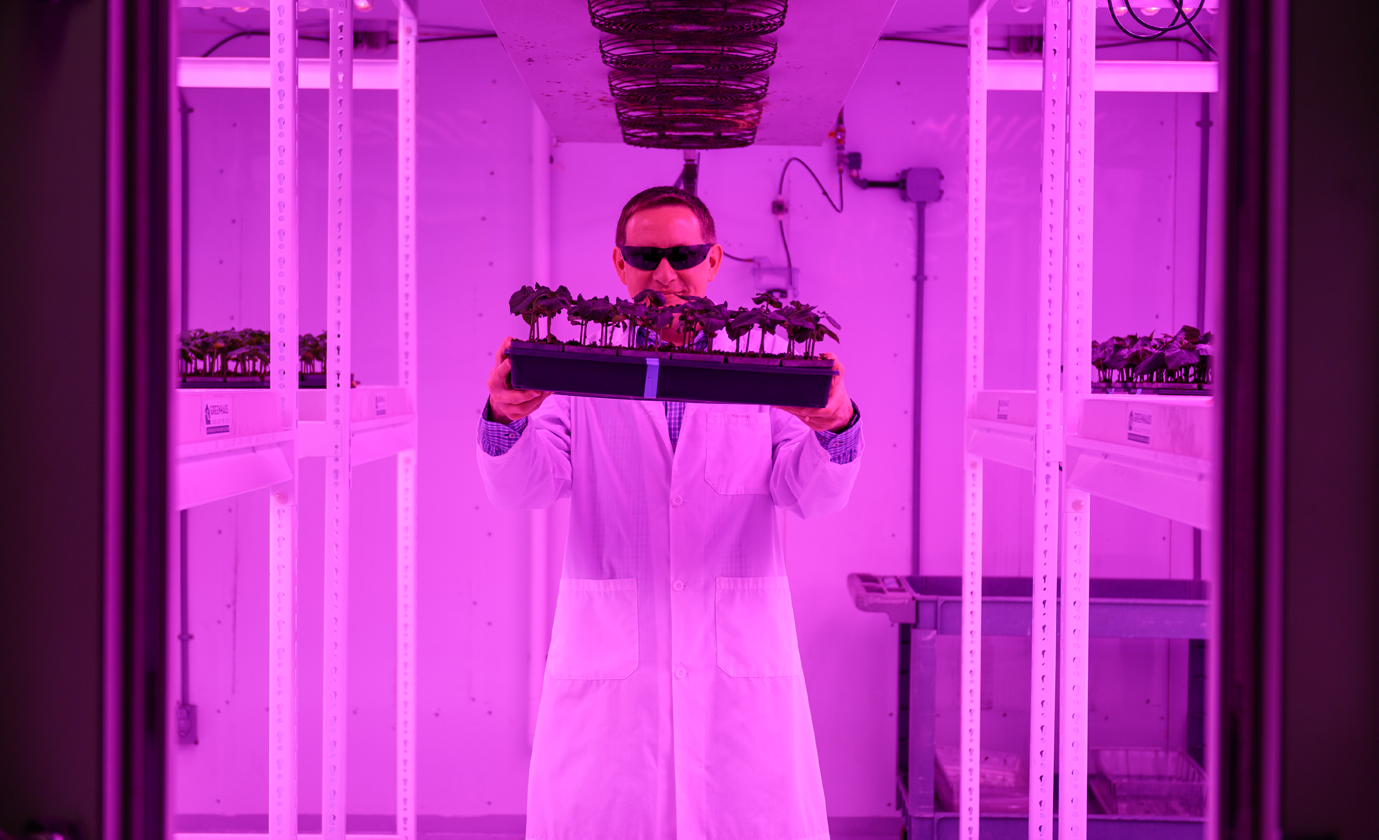
Power plants: Rewiring crops to feed the future
Imagine crops that can thrive in any climate, resist disease and deliver enhanced nutrition.
That’s the bold vision behind the U.K.-led Synthetic Plants initiative – and biochemist Bogumil Karas, PhD, is helping make it real.
Backed by $1.5 million in funding, Karas is redesigning plant chloroplasts to transfer custom DNA into crops. His team will test the technology on potatoes, advancing efforts to unlock the vast potential of plants in the fight against food insecurity and climate change.
"If we can advance the technology to the point where we can design and synthesize entire genomes, we could develop crops that are more nutrient-dense, resilient and longer-lasting."
Read More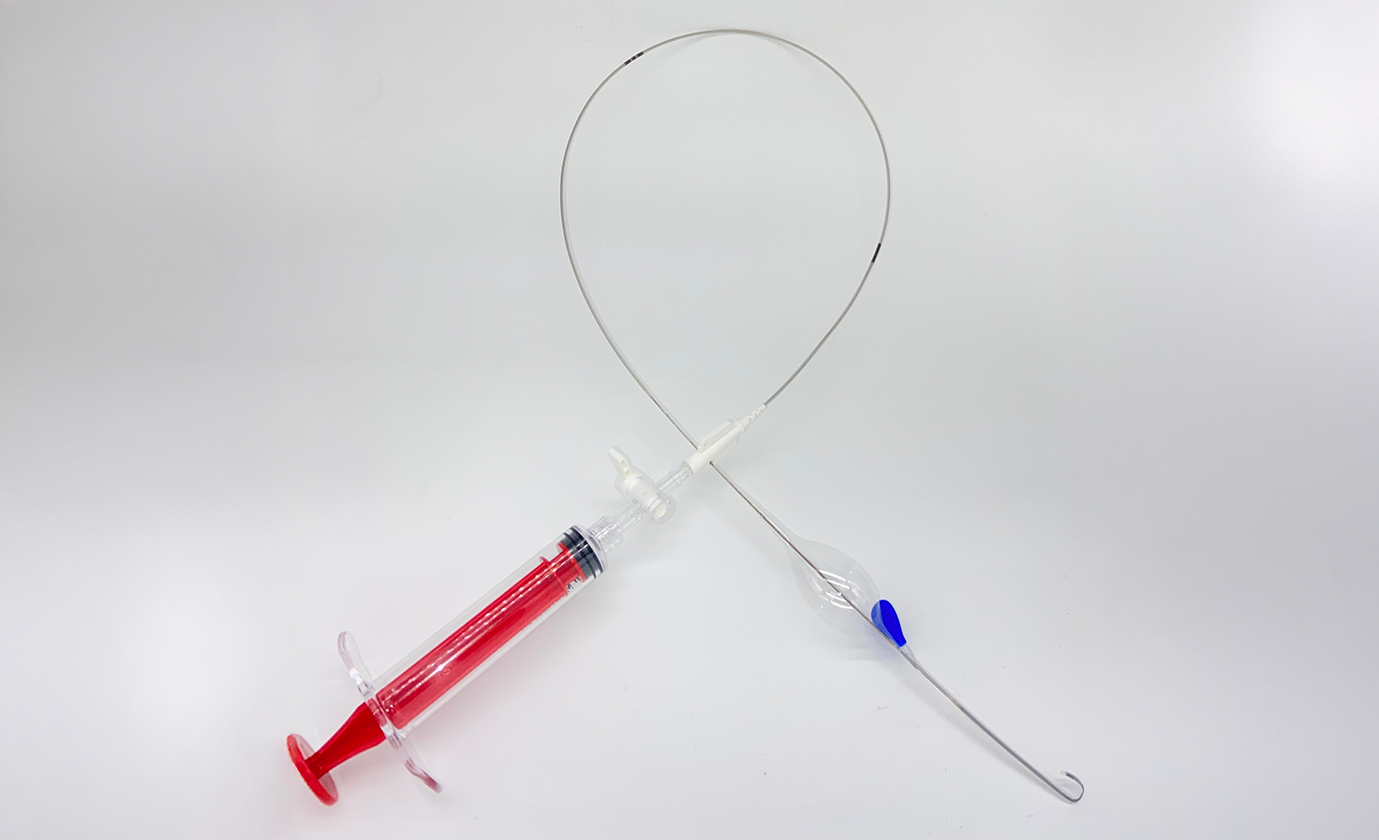
Life-saving device lands on TIME’s top invention list
Vascular surgeon Dr. Adam Power and Front Line Medical Technologies have earned global recognition with their life-saving device, COBRA-OS, named one of TIME’s top inventions of 2024. Developed to stop severe bleeding by temporarily blocking the aorta, the device is being used on the battlefield in Ukraine and other trauma settings.
Read More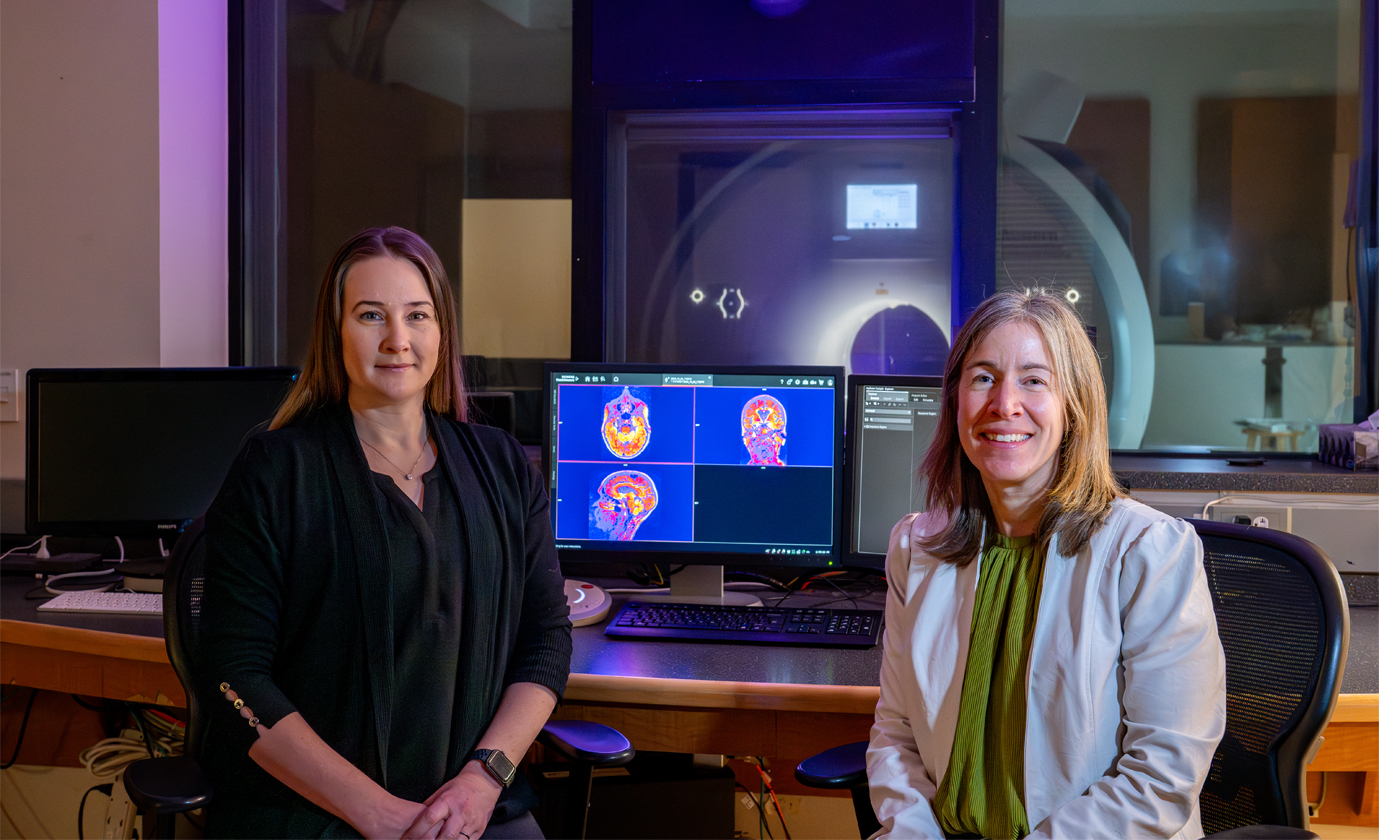
Apathy no more? Scientists target one of dementia’s most devastating symptoms
Inserting oxytocin – a hormone linked to empathy – into the nose may help treat apathy in people with frontotemporal dementia (FTD), according to new research led by Dr. Elizabeth Finger, professor in clinical neurological sciences.
Apathy is one of the earliest and most debilitating symptoms of FTD, a common form of early-onset dementia. With no proven treatments available, the findings – published in The Lancet Neurology – represent the largest clinical trial to show promise for addressing this critical symptom.
Read More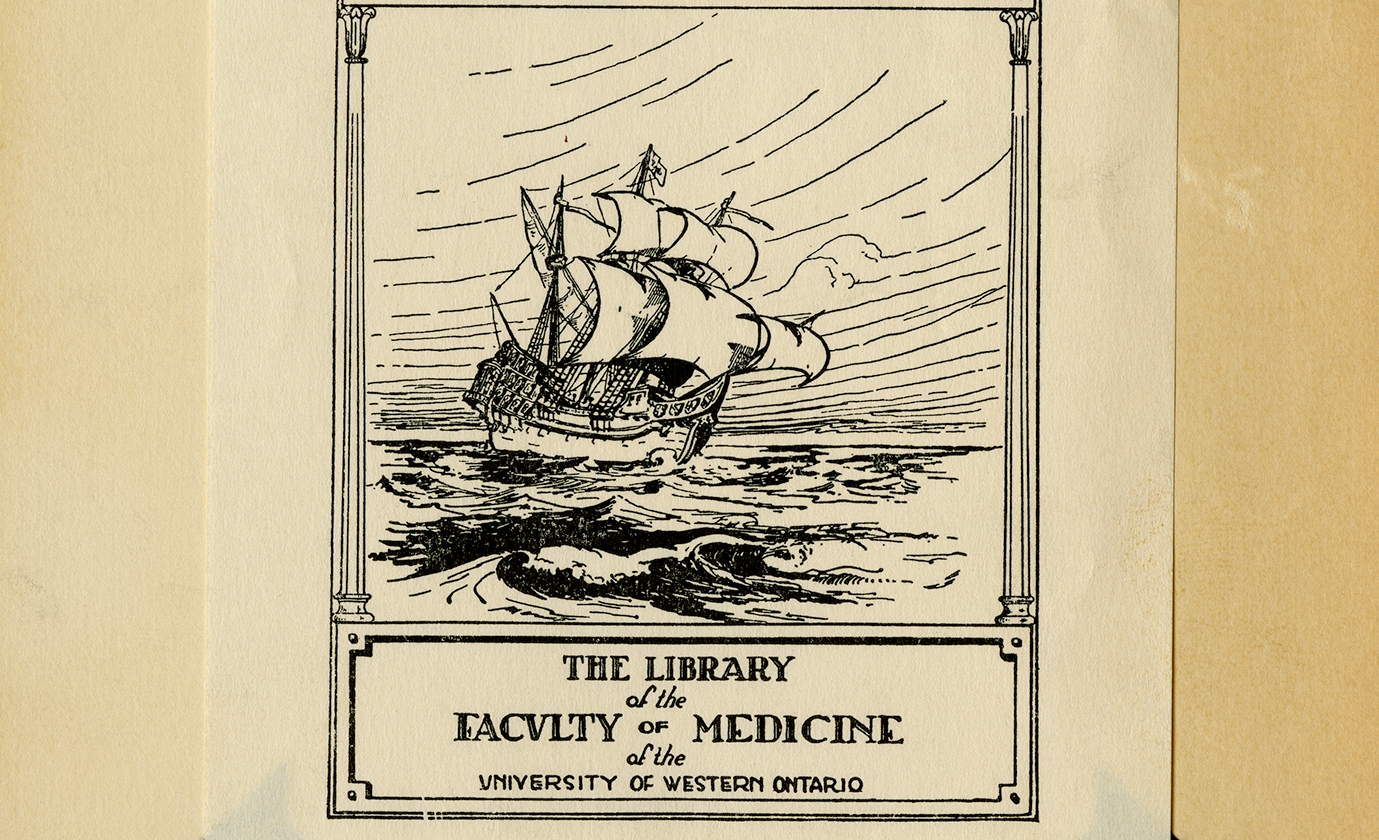
The Osler Society at 100
A century after its founding in 1925, the Osler Society remains a vibrant part of the Schulich Medicine & Dentistry community – championing curiosity and the study of medicine’s rich past. To mark the centennial, faculty and students adopted the theme “Dare We Dream” for a special virtual exhibit, inspired by Sir William Osler’s call for unity and truth in medicine.
Read More
Clearing the haze: New insights into cannabis and health
As cannabis use climbs in Canada – and THC potency reaches record levels – researchers are working to improve our understanding of its potential health impacts. New research shows a link between cannabis use disorder and elevated dopamine levels in areas of the brain associated with psychosis, offering a possible explanation for the rise in cannabis-related psychiatric emergencies. “We now have evidence that shows a straight line linking cannabis with dopamine and psychosis,” says Dr. Lena Palaniyappan, adjunct professor and senior author.
Meanwhile, emergency departments are seeing a surge in cases of cannabis hyperemesis syndrome, a little-known condition marked by severe vomiting, abdominal pain and temporary relief through compulsive hot bathing. Researchers Jamie Seabrook, PhD, and Jason Gilliland, PhD, are sounding the alarm, calling for greater public awareness and clinical education – a message that captured national headlines.
Together, these studies underscore a growing public health concern, particularly for young people whose developing brains are more vulnerable. Experts stress the need for better education, early screening and harm-reduction strategies to prevent and address these emerging risks.
Read More
New master’s program puts spotlight on drug safety
The one-year Drug Safety and Pharmacovigilance master’s program at Schulich Medicine & Dentistry is the first of its kind in North America, preparing professionals to tackle growing concerns around drug safety. With a research project and practicum, the course addresses a key training gap. “This is a time when fears around drug safety are high in the public’s minds,” says Dr. Michael Rieder, program director. “Our goal is to develop a generation that can navigate this landscape.”
Read More
Camping coolers, rewired for remote care
In the hands of a biomedical physicist, even a camping cooler can become a tool for global health equity. With support from Western’s Frugal Biomedical Innovations program, medical biophysics professor Maria Drangova, PhD, is leading a project that transforms inexpensive 12V camping refrigerators into WHO-compliant cold storage units for vaccines and medications in remote clinics across Africa.
Read More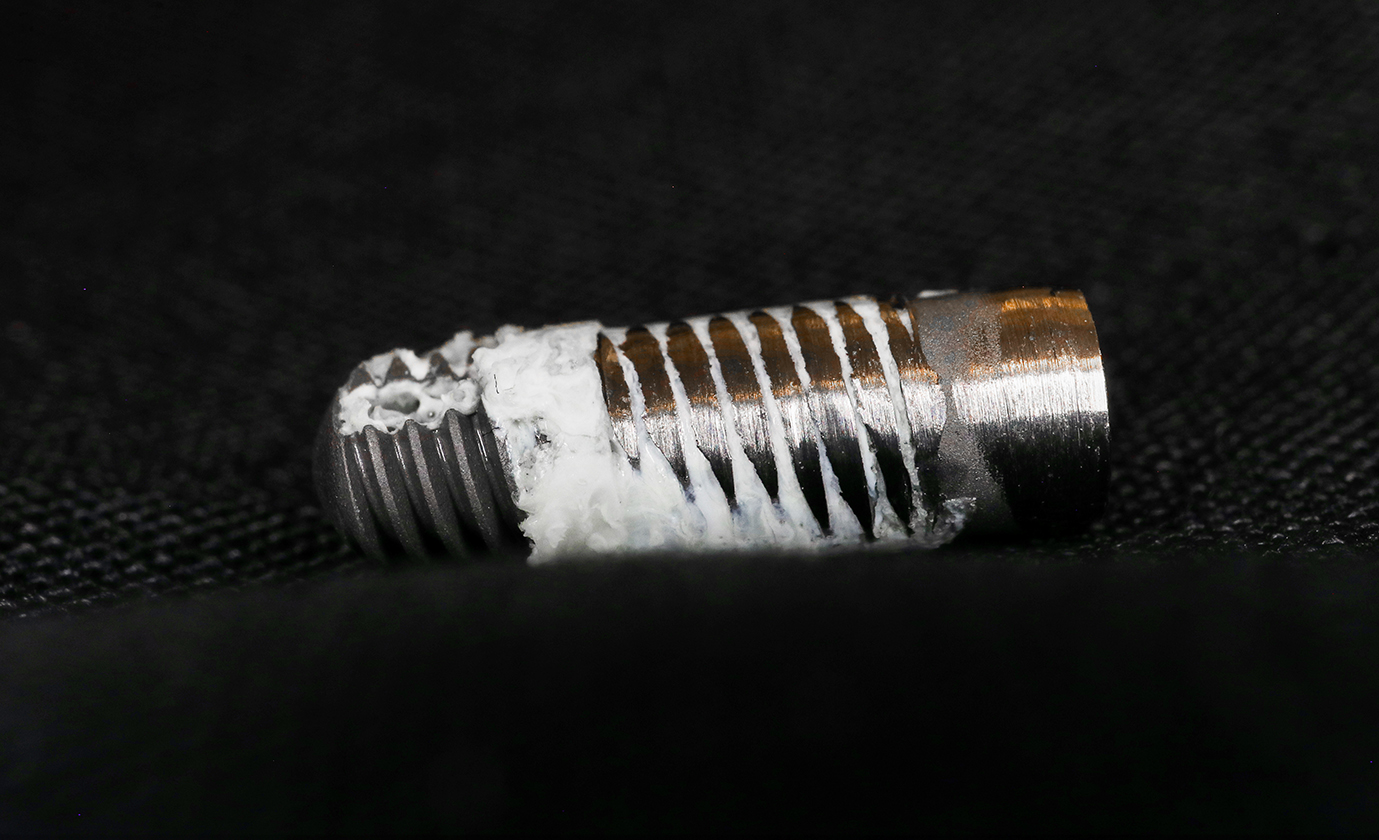
Why implants fail – and how to fix them
Why do some medical implants fail while others last for decades? Researchers at Western’s Bone and Joint Institute are working to find out. Co-led by assistant professor Dr. Les Kalman, DDS’99, the interdisciplinary team is studying how implant materials, design and biological responses contribute to failure in both orthopedic and dental devices.
Read More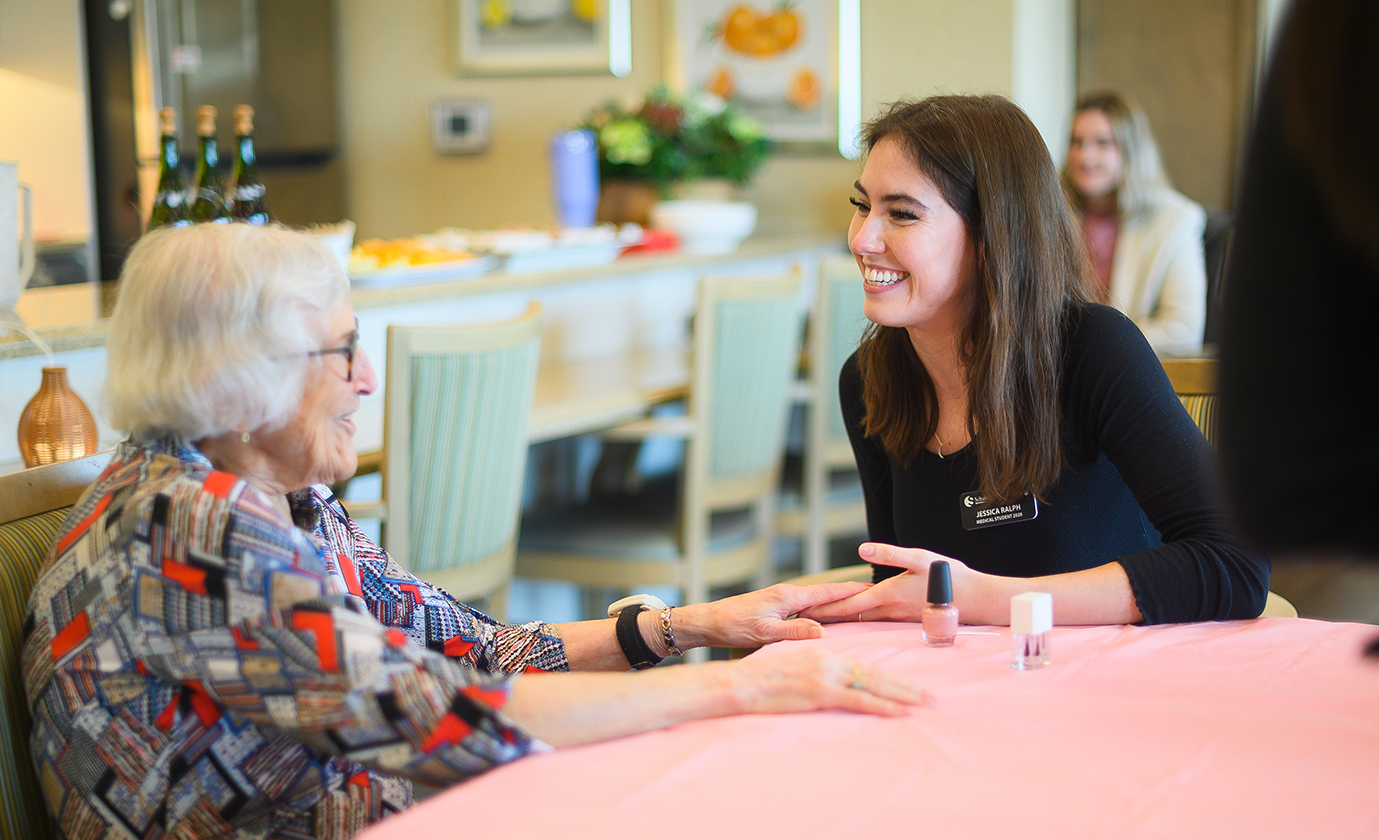
Medical students offer connection, companionship to local seniors
Medical students from Schulich Medicine & Dentistry are helping combat social isolation among seniors through GlamourGals, a non-profit that promotes intergenerational connection with complimentary beauty care. The group hosts monthly sessions at Fox Hollow Retirement Residence in London, Ont., offering manicures, makeup and plenty of conversation.
The initiative addresses a growing public health concern, with nearly 60 per cent of Canadians over 50 experiencing loneliness. “It’s fun to paint nails, but it’s really about the time spent in connection, sharing experiences and stories,” says third-year medical student Kerry Hu.
Read More
No evidence for viral mouth-taping trend
Influencers may swear by mouth taping for better sleep and anti-aging, but doctors aren’t buying it. A recent study found no strong evidence to support the viral trend.
In fact, mouth taping can worsen undiagnosed sleep disorders and increase the risk of suffocation or heart disease, warns Dr. Brian Rotenberg, a leading sleep surgeon and professor in otolaryngology – head and neck surgery.
“These individuals are unknowingly making their symptoms worse and putting themselves at greater risk for serious health complications like heart disease,” he says.
The findings sparked international media coverage, including by CNN, underscoring the growing concern among health experts about misinformation and unproven wellness hacks spreading online.
Read MorePrevious story

Next story


Introducing a grand collaboration for Canada and the world
Together with our global community, Western is going all in to drive impact today and build a better tomorrow.


