

Search Website
General Practice Residency - current learners
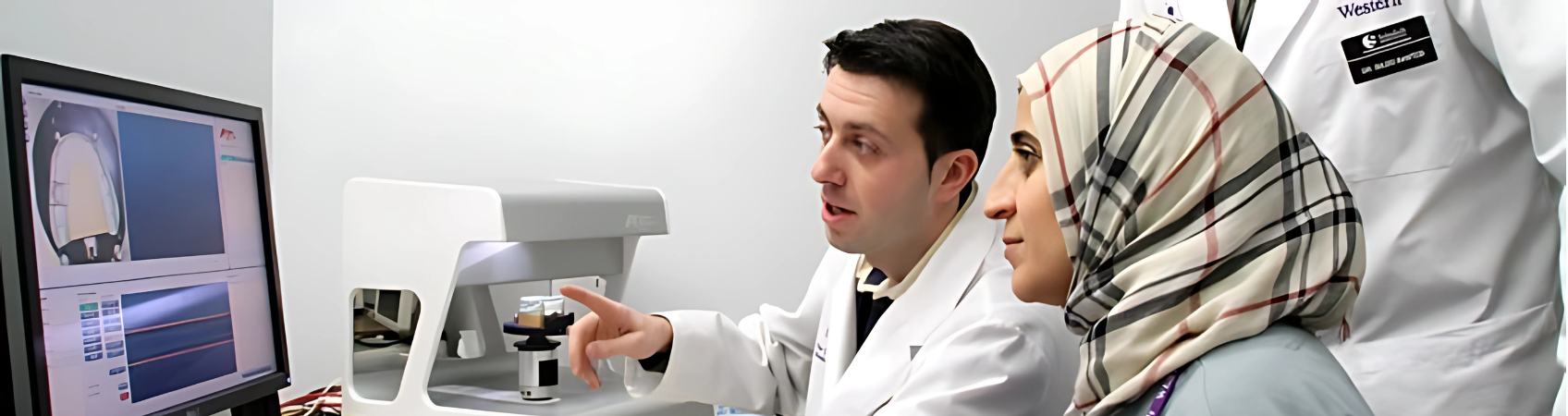
The General Practice Residency (GPR) at London Health Sciences Centre & St. Joseph's Health Care London, in association with the Schulich School of Dentistry is designed to provide experience in all phases of inpatient and ambulatory dental care in a hospital setting.
Learn more about the GPR program
The Western University General Practice Residency (GPR) was accredited in 1980 and is designed to provide experience in all phases of inpatient and ambulatory dental care in a hospital setting. In order to provide a broad educational and clinical experience, each resident spends three months at each of the three affiliated teaching hospitals. The resident also spends three months on an off service rotation to gain educational experience in Anaesthesiology, Otolaryngology, General Medicine, Emergency Medicine, Oral Maxillofacial Pathology & Sioux Lookout.
Throughout the year, regularly scheduled lectures, literature reviews and case presentations will be held. The objective of the residency is to create an environment for learning clinical and intellectual skills in order to better serve your patients. Four residents are selected each year. They are paid an annual stipend and get two weeks of paid holiday time.
-
To provide an environment for learning clinical and intellectual skills with emphasis on diagnosing, treatment planning and comprehensive dental care
-
To provide clinical experience in the management of the medically compromised patient
-
To provide training experiences in hospital protocol, management of inpatients, patient rounds and interaction with other hospital specialties
-
To provide experiences in dealing with and managing acute dental emergencies and problems
-
To learn operating room protocol by assisting and performing procedures in the operating room
-
To provide clinical experience for a foundation in conscious sedation
- To provide Advanced Cardiac Life Support training and certification
It is the responsibility of the dental residents to provide emergency dental coverage for the affiliated dental services for the city of London and surrounding areas. The residents do not remain in-house for call but are expected to go to the appropriate hospital department when called within a reasonable time frame.
The three on-service residents rotate through the call schedule while the off service resident takes call with the service that they are currently on.
Dr. Jeffrey Lovell, Program Director:
Dr. Lovell graduated from the University of Western Ontario Doctor of Dental Surgery Program with his DDS and then completed a General Practice Residency Program in Hospital Dentistry at Schulich School of Medicine and Dentistry with London Health Sciences Centre/St. Joseph’s Health Care London. After a few years as a general dentist, he returned to his alma mater and completed his residency program in Oral & Maxillofacial Surgery, MSc in Pathology, and medical school MD at Schulich School of Medicine and Dentistry. Dr. Lovell is an assistant professor in the Division of Oral & Maxillofacial Surgery and the current Director of the Schulich School of Medicine and Dentistry General Practice Residency Program in Hospital Dentistry.
Dr. Michael Shimizu:
Dr. Shimizu graduated from the University of British Columbia Doctor of Dental Medicine Program with his DMD and then completed a General Practice Residency Program in Hospital Dentistry at Vancouver General Hospital and the BC Cancer Agency. After a few years as a general dentist in Vancouver, he moved to Halifax and completed his residency program in Oral & Maxillofacial Surgery, MSc in Oral and Maxillofacial Science, and medical school MD at Dalhousie University. He stayed on at Dalhousie as a Fellow to further his training in cleft lip and palate surgery and then joined the faculty at Schulich School of Medicine and Dentistry in 2000. He is a founding faculty member and Program Director of the Graduate Residency Program in Oral & Maxillofacial Surgery, Chair of the Division of Oral & Maxillofacial Surgery, Schulich School of Medicine and Dentistry and is the Chief of Dentistry at St. Joseph’s Health Care London and Head of Dentistry at London Health Sciences Centre/Children's Hospital of Western Ontario. Dr. Shimizu is also an examiner in Oral and Maxillofacial Surgery for The Royal College of Dentists of Canada.
Dr. Christina McCord:
After obtaining her DDS from Western, Dr. McCord completed her specialty training in oral pathology and oral medicine as well as her MSc at the University of Toronto. Currently, Dr. McCord is an oral pathologist and assistant professor in the Department of Pathology and Laboratory Medicine at Western University, where she teaches in the undergraduate dental and post-graduate oral and maxillofacial surgery programs. She also maintains a clinical oral pathology practice at University Hospital.
On service rotations
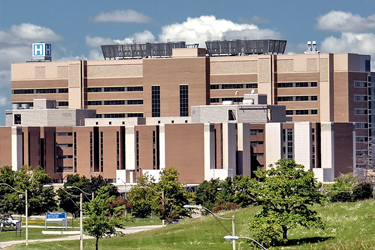
LHSC - Victoria Hospital rotation
Rotation experience includes:
- Comprehensive clinical care in the outpatient clinic
- Treating medically compromised patients
- Care of developmentally delayed patients
- Paediatric patients (clinic & operating room)
- Multi-disciplinary care of cancer patients
- Emergency dental care
- Intravenous and nitrous oxide sedation
- Minor oral surgery (e.g., extractions, trauma, biopsies)
- Assisting and performing surgical procedures in the OR
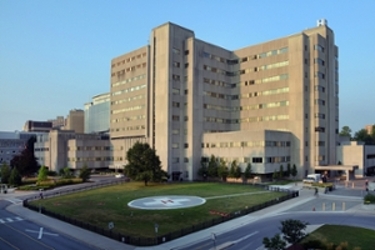
LHSC - University Hospital rotation
Rotation experience includes:
- Comprehensive clinical care in the outpatient clinic
- Treating medically compromised patients
- Multi-disciplinary care of pre & post transplant patients
- Emergency dental care
- Nitrous oxide sedation
- Implant dentistry
- Minor oral surgery (e.g., extractions, trauma, biopsies)
- Maxillofacial prosthodontics
- Obstructive sleep apnea
- TMD & facial pain
- Assisting and performing surgical procedures in the OR
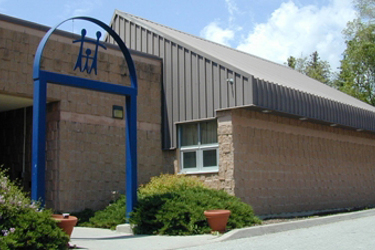
St. Joseph's Health Care - Platt's Lane rotation
Rotation experience includes:
- Comprehensive clinical care in the outpatient clinic
- Treating medically compromised patients
- Geriatric dental care (clinic & nursing home)
- Minor oral surgery (e.g., extractions, trauma, biopsies)
- Emergency dental care
- Implant dentistry
- Periodontology
- Assisting and performing surgical procedures in the OR
Off service rotations goals
- To understand and apply anaesthetic considerations in the pre-operative evaluation and preparation of the surgical and dental patient for an anaesthetic
- To learn appropriate airway and ventilatory management
- To prescribe and conduct appropriate fluid and blood component therapy, including establishing intravenous access
- To acquire a very basic understanding of the pharmacology of drugs and gases used in anaesthesia
- To understand and apply local anaesthetic pharmacology appropriate to the practice of general dentistry
- To understand the risks and goals of anaesthesia, especially in the medically compromised patient
- To understand the principles of acute and chronic pain managementTo improve clinical physical examination skills especially in the areas of cardiovascular and respiratory systems
- To get an overview of the Otolaryngology Head and Neck field
- To be able to take a pertinent history relevant to the head and neck
- To learn and be able to do a basic otolaryngological physical examination including the ears, nose, throat, mouth, sinuses, head and neck
- To recognize normal from abnormal in the otolaryngological physical examination
- To be able to differentiate pain from dental/jaw origin from that originating from other head and neck structures
- To be able to assess airway and manage airway compromise non-surgically, as well as be exposed to surgical airway management
- To be exposed to operative procedures in otolaryngology, Head and Neck surgery
- To improve on basic history and physical examination skills
- To improve on basic surgical skills
- To be able to manage the surgical patient peri-operatively
- Identification of risk factors for surgery, including coronary artery disease
- Management of medications in the preoperative period, including anti-platelets, beta blockers, statins, etc.
- Interpretation of ECGs
- Stratify patients in terms of their overall risk
- Role of thromboembolic prophylaxis
- Vitals
- Auscultation for murmurs
- To be able to take a medical history
- To learn and be able to do a basic physical examination of the head & neck, respiratory, cardiovascular, nervous, abdomen, musculoskeletal, and skin systems
- To recognize normal from abnormal in the physical examination
- To understand the pathophysiology of medical disorders and how they may affect the management of the dental patient
- To learn various laboratory investigations available and their interpretation
- To be able to manage medical emergencies (e.g. chest pain, angina, myocardial infarction, cardiac arrest, respiratory distress, loss of consciousness, altered consciousness, allergic reactions, anaphylaxis, seizures, drug reactions) which may occur in the dental office
- To learn the approach to Infectious Disease, the principles of management of infections, and the appropriate prescribing of antimicrobials
- To improve clinical physical examination skills, especially in the areas of the cardiovascular and respiratory systems
- Acquire a basic understanding of the pathology of oral disease
- Microscopic review of oral pathology biopsy cases during daily biopsy service
- Microscopic review of oral pathology laboratory course presented to undergraduate dentistry students
- Observation/participation in gross description and cut up of biopsy specimens in oral pathology laboratory
- Becoming familiar with laboratory techniques (histochemical and immunohistochemical stains for diagnosis) used in oral pathology
- Participation in microscopic rounds with oral surgery residents