

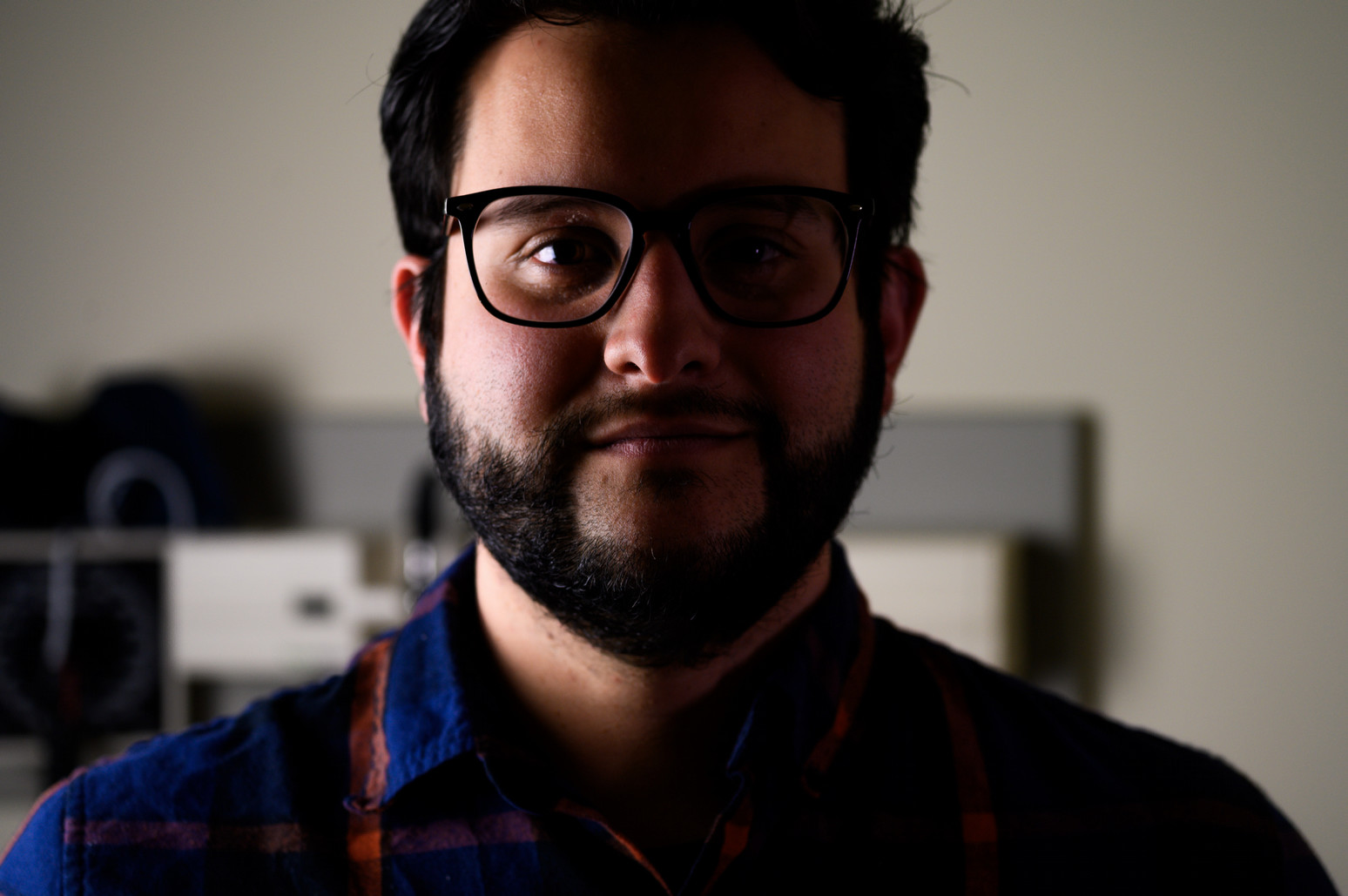
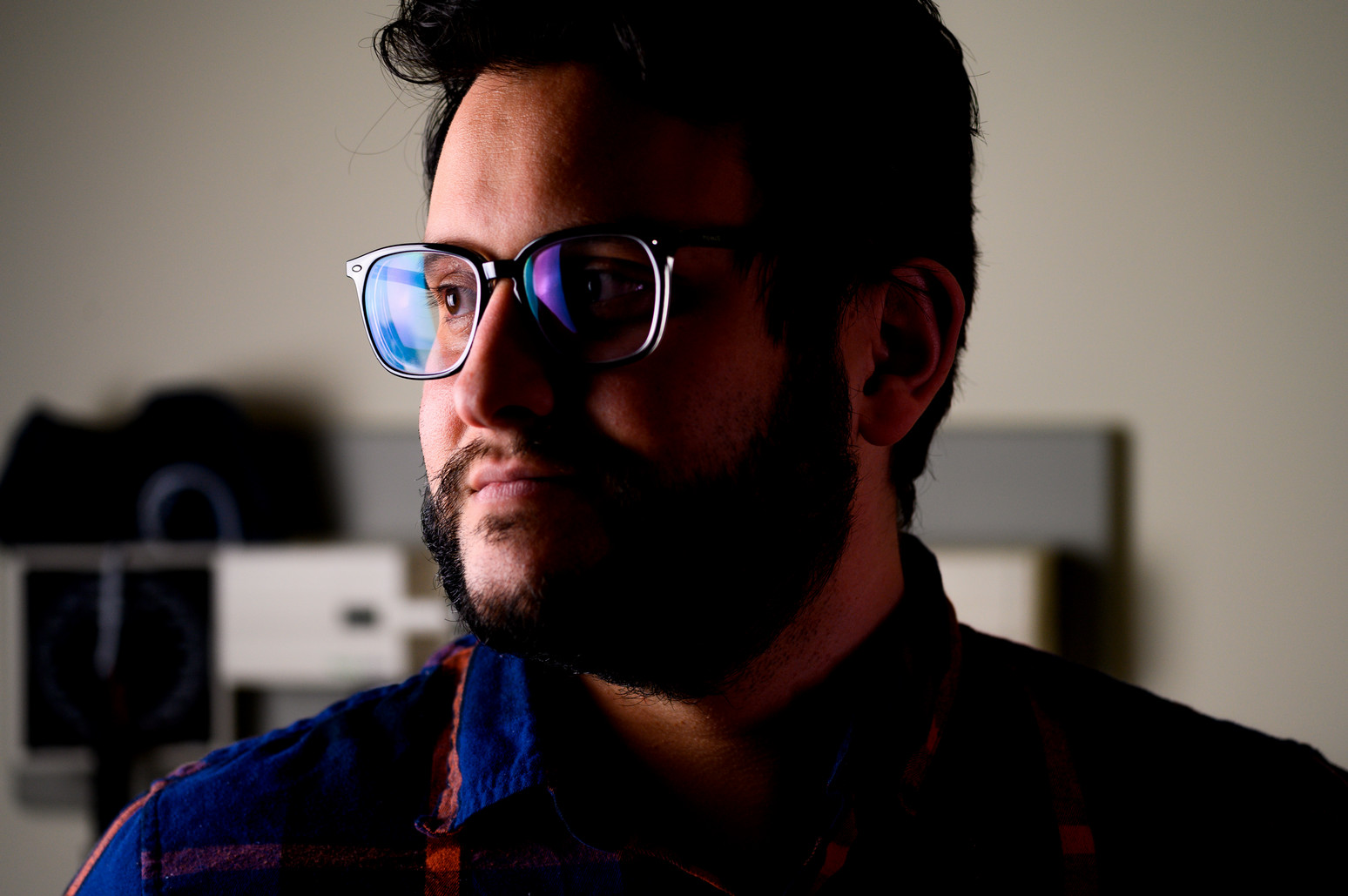
The exam room. A place where two stories often meet – one clinical, the other shaped by identity and experience.
Here, in this intimate space, humility is among the most powerful tools a doctor has.
“Medical training gives us essential knowledge, which is our scope and responsibility, but it only becomes meaningful when we understand the patient in front of us.”
Dr. Sukhveer Bains
“For me, humility is recognizing that I am not the expert of someone else’s life,” says Dr. Sukhveer Bains, an emergency physician and associate dean of equity, diversity, inclusion and decolonization. “Medical training gives us essential knowledge, which is our scope and responsibility, but it only becomes meaningful when we understand the patient in front of us.”
A new training session for first-year medical students at Schulich Medicine & Dentistry is putting this idea into practice. Launched earlier this year, “Cultural Humility Communication,” a teaching block within the Clinical Skills course, helps students build interviewing skills in structured scenarios where culture, language and identity shape the clinical encounter.
Working in small groups, students interview standardized patients who represent culturally diverse communities – those whose identities, languages or lived experiences can be overlooked or misunderstood in clinical care. This year, that included a non-English-speaking patient accompanied by a support person and a gender-expansive patient navigating the health-care system.
These are not simple cases, nor are they meant to be solved. Instead, they ask students to grapple with ambiguity, reflect on their own biases, and begin practicing the kind of care that meets patients where they are – skills that will be essential throughout their medical careers.
The sessions are sometimes marked by hesitation – long pauses, nervous glances, students quietly negotiating who should speak first. Some stumble over words, unsure how to ask a sensitive question or how to respond when the patient doesn’t speak English. Others default to medical jargon, only to realize they’ve lost the thread of connection.
And that’s the point. This training creates space for students to make mistakes, reflect and grow, before the stakes are higher and the consequences real.
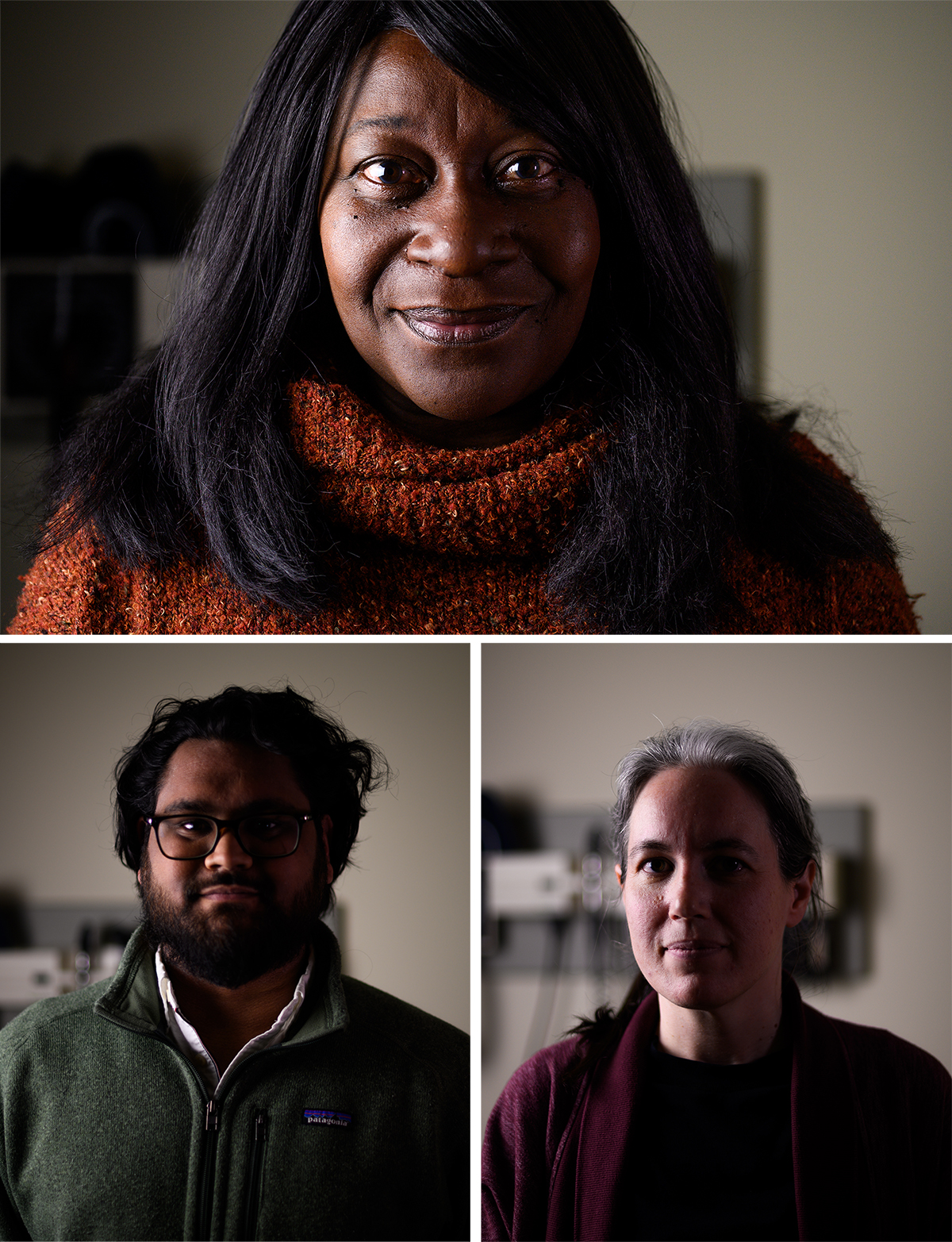 Standardized patients like Sherine Thomas Holder (top), Rayyan Kamal (bottom left) and Kerry Hishon (bottom right) help medical students build interviewing and communication skills in structured scenarios.
“Practising these types of conversations gives us the opportunity to make mistakes in a lower-stakes environment,” says medical student Jessica Girard, who completed the training in 2025. “This is the time to find our groove. If we’re clumsy while doing so, it’s OK. The Clinical Skills team puts a lot of care into creating a safe, supportive environment for learners.”
Unlike cultural competence, which implies achieving a certain level of cultural knowledge by checking off the right boxes, cultural humility emphasizes continuous self-reflection and a commitment to learning from patients.
"When we can admit that we do not know, that is when we learn,” says Girard:“In training, it’s easy to focus on what the instructor expects or what the ‘right’ answer is on a test. But real life – and real patients – don’t work that way. The cultural humility block helped us practise navigating complexity and uncertainty, just like we’ll face in the clinic.”
Rayyan Kamal, BMSc’19, MSc’23, a long-time standardized patient participated in focus groups to help develop case content and advised on how the patient voice could be authentically represented.
Kamal also facilitated the training, observing the simulated interviews and guiding follow-up discussions.
"When we can admit that we do not know, that is when we learn.”
—Medical student, Jessica Girard, class of 2025.
He drew on his own experience as a child of immigrant parents who often relied on him to interpret during medical appointments.
“I’ve seen firsthand how communication gaps create distance between a patient and their provider,” he says. “It meant a lot to be trusted not just as a facilitator, but as someone whose experience can help shape the curriculum.”
Students also played an important role in shaping the experience. Many arrived expecting structure and assessment but quickly embraced the unique learning opportunity.
“Once they realized they weren’t being graded, the conversations shifted,” explains Kamal. “They brought their full selves into the room – asking questions, sharing reflections and even talking about their own experiences navigating health care with their families."
For Bains, this openness created an environment where learning was less about right answers and more about honest engagement.
“Humility isn’t about knowing less,” she says. “It’s an essential skill that allows us to ask better questions. It recognizes that health care isn’t something we deliver – it’s something we build, together.”