

Search Website

Master of Physician Assistant Studies (MPAS)
Become a Physician Assistant in two years with this graduate program designed for ambitious learners. You’ll gain the knowledge and practical experience to assess, diagnose, treat, and support patients across diverse healthcare settings, while preparing for collaborative practice in a physician-led team.
Master of Physician Assistant Studies (MPAS)
Become a Physician Assistant in two years with this graduate program designed for ambitious learners. You’ll gain the knowledge and practical experience to assess, diagnose, treat, and support patients across diverse healthcare settings, while preparing for collaborative practice in a physician-led team.
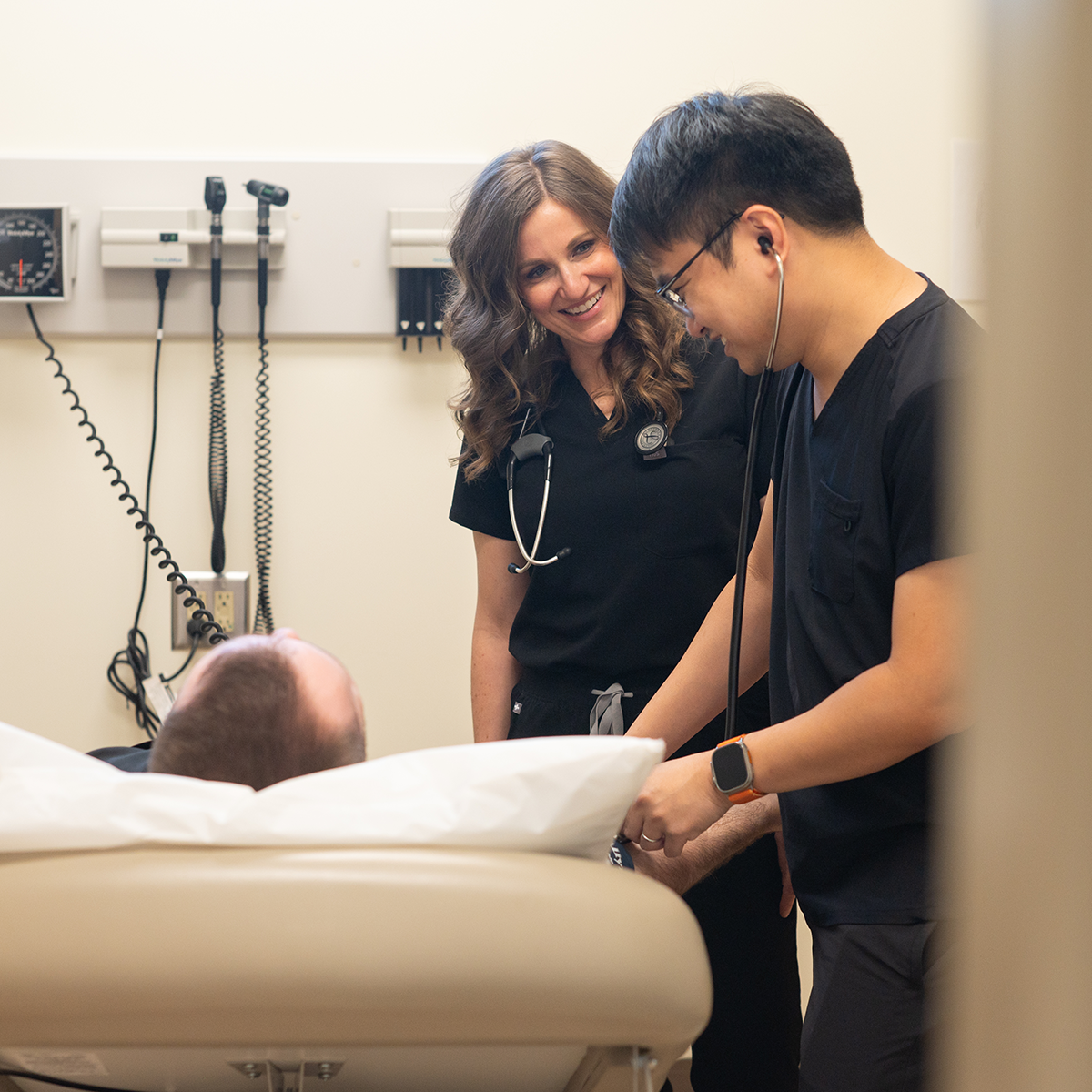
Master of Physician Assistant Studies (MPAS)
Become a Physician Assistant in two years with this graduate program designed for ambitious learners. You’ll gain the knowledge and practical experience to assess, diagnose, treat, and support patients across diverse healthcare settings, while preparing for collaborative practice in a physician-led team.
About the program
The Master of Physician Assistant Studies (MPAS) prepares you to become a clinically skilled, competent and compassionate Physician Assistant (PA) ready to practice in different health care settings. You’ll graduate ready to work in physician-led teams, providing patient-centred medical care across hospitals, primary care, emergency medicine, and specialty services.
Your learning in this is two-year, full-time professional master’s targets PA-specific competencies and graduate-level training, and is aligned with our program in Undergraduate Medical Education. You’ll train within a physician-led model of care, build competency through Entrustable Professional Activities (EPAs), and complete a graduate research project - ensuring you’re practice-ready and prepared for national certification.
Prospective students are advised that the program is still subject to formal approval.
- Program name: Master of Physician Assistant Program
- Credential: Master of Physician Assistant Studies (MPAS)
- Duration: 2 years (full-time; 6 consecutive graduate level terms)
- Application period: Applications for the September 2026 intake are closed
- Contact: Jennifer Franco mpas@uwo.ca
Reasons to study
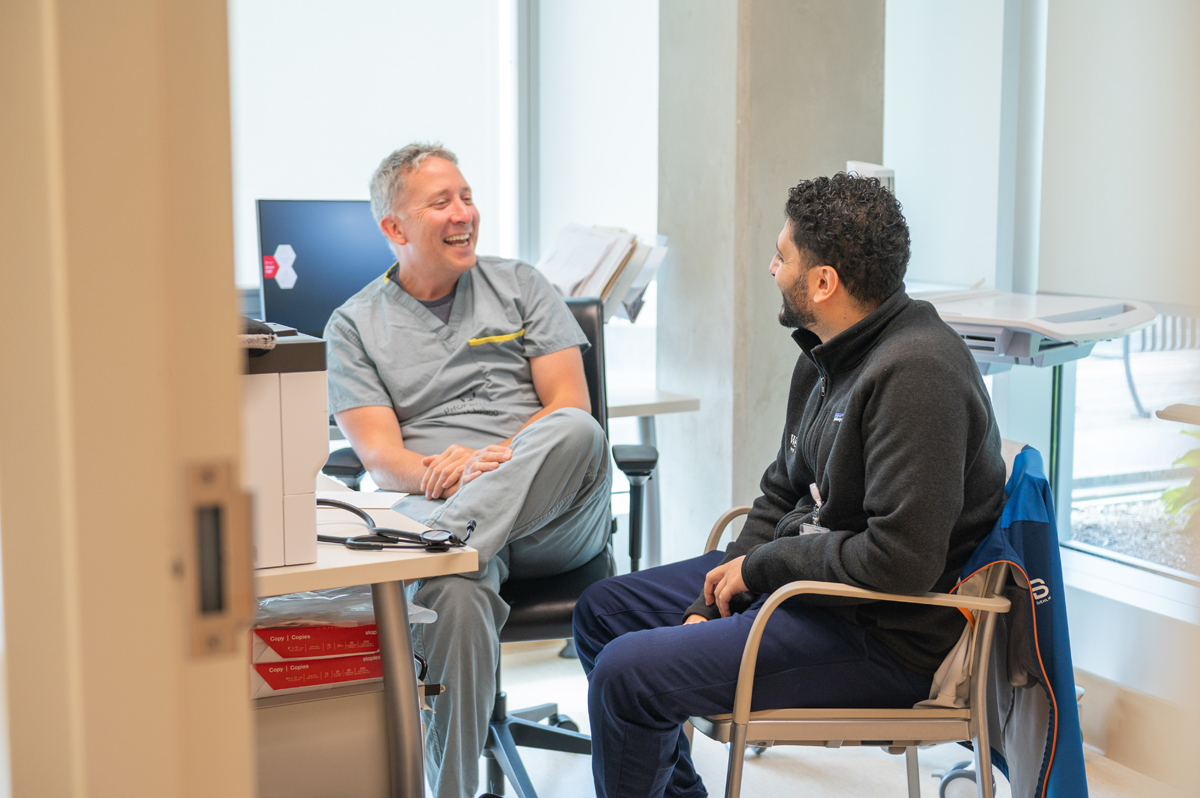
Patient centred clinical training
Develop strong clinical judgment and hands-on experience through simulation, case-based learning, and supervised rotations. Train in a physician-led model to deliver safe, ethical, culturally responsive care across diverse populations.
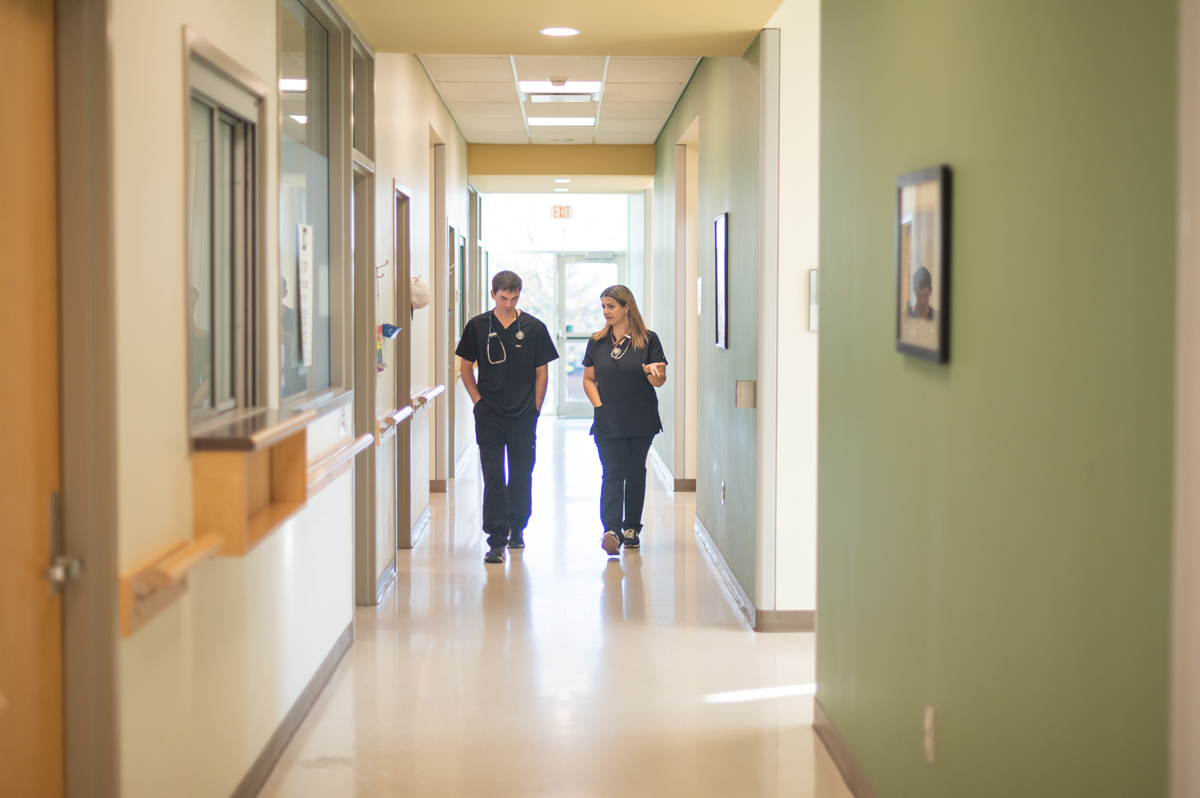
Small cohort
Benefit from close mentorship, direct faculty access, and meaningful feedback in a focused cohort that fosters collaboration, professionalism, peer support, and strong interprofessional relationships.
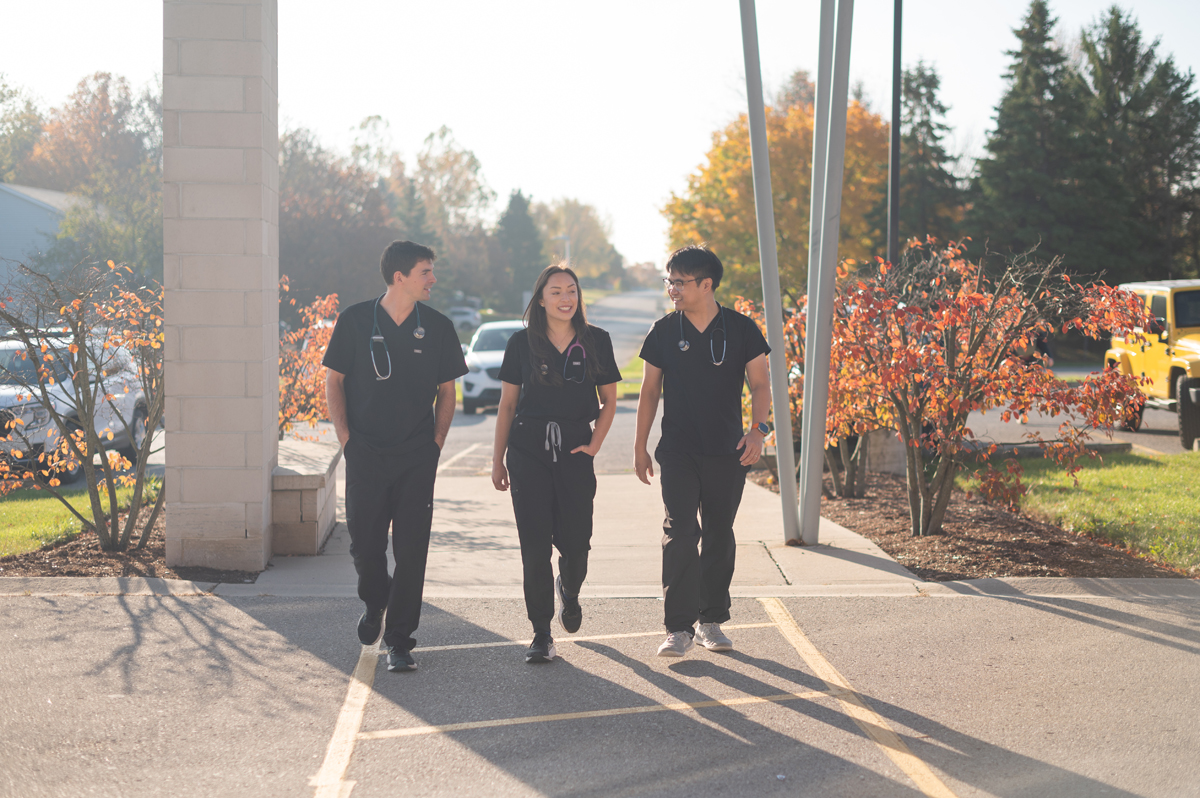
High employment demand
Physician Assistant graduates enjoy exceptional career prospects, with growing demand driven by healthcare needs, expanding PA integration, and opportunities across hospitals, primary care, emergency medicine, and specialties.
What you'll learn
Year 1 focuses on medical foundations, clinical skills, professional competencies, and research training through in-person, case-based, and simulation-based learning.
Medical Foundations I–III
Clinical Skills I–III
Professional Competencies
Interprofessional Learning
Clinical Research & Quality Improvement
Year 2 focuses on supervised clinical rotations across core specialties, and two elective blocks. You’ll collaborate with other learners to complete a group quality improvement or research project, applying principles of research learned in Year 1 to real clinical questions. Year 2 concludes with a structured Transition to Practice experience.
Family Medicine
Core Hospital Rotations
Supervised Clinical Practice
Competency-Based Assessment
Elective Rotations
Transition to Practice
Application requirements
Admission to the MPAS program is competitive. The requirements listed are considered a baseline. We’ll look for you to show strong academic preparation, professionalism, and a demonstrated commitment to patientcentred healthcare.
- Four-year undergraduate degree from a recognized institution
- Minimum GPA of 3.0/4.0 (75%) in the final two full-time years
- Preference will be given to applicants who have completed university-level coursework in Human Anatomy, Human Physiology, and Statistics
- Academic background in health, biomedical, or related sciences preferred
- Online application through Western Graduate Studies
- Two letters of reference — statements from referees must be submitted by July 13th
- Unofficial post-secondary transcripts. One copy of official/certified transcripts will be required if you receive an admission offer.
- Supplemental statement addressing the prompts below — maximum 550 words, PDF (see format requirements)
Supplemental statement
Your statement should address:
- Why have you chosen to pursue a career as a Physician Assistant?
- What experiences, qualities, or accomplishments have prepared you to be an effective Physician Assistant? Please provide specific examples to support your response.
The Admissions Committee is interested in learning more about your motivations, experiences, and potential contributions to the Physician Assistant profession.
Format requirements:
- Maximum length: 550 words
- Font: 12-point (e.g., Arial, Calibri, or Times New Roman)
- Spacing: single-spaced
- Margins: 1 inch (2.54 cm) on all sides
- File format: PDF
Statements that exceed the maximum word count or are not formatted as above may not be considered.
- The Test of English as a Foreign Language (TOEFL). iBT (internet-Based Test):
- For tests taken before January 21, 2026, Western requires a minimum overall score of 86, with no individual section score below 20. Some programs may require a higher minimum and/or specific band scores. Western’s TOEFL ID is 0984.
- For tests taken on or after January 21, 2026, Western requires a minimum overall score of 4.5, with no individual section score below 4. Some programs may require a higher minimum and/or specific band scores. Western’s TOEFL ID is 0984.
- The International English Language Testing Service (IELTS Academic). The minimum acceptable score is 6.5 out of 9.
- The Duolingo English Test. The minimum acceptable score is 115.
- The Canadian Academic English Language Assessment (CAEL Assessment). The minimum acceptable score is 60.
- Western English Language Centre. The requirement is successful completion of the High-Advanced level.
- Fanshawe College’s ESL Program. The requirement is graduation from Level 10, English for Academic Purposes, with a minimum 80% in all components.
Upon successful admission, you’ll be asked to provide:
- Required medical information, including proof of immunization
- CPR certification
- Basic Life Support (BLS) Provider certification (Heart & Stroke Foundation)
Applications for the September 2026 intake are closed.
Plan your finances
What it costs
Program tuition will be confirmed following final program approvals. Fees are expected to be comparable to other Canadian Master of Physician Assistant Studies programs. Additional costs may include textbooks, equipment, and clinical placement requirements.
Support available
As a graduate learner, you may be eligible to receive financial support.
Graduate students who find themselves in financial need have access to a full range of bursary programs, loans and financial aid counselling at Western.
Plan ahead
Managing your finances, time, and overall wellness are critical to your academic success.
Use the Graduate Student Affordability Calculator to estimate how much money you will need to pay for your tuition, fees, housing, food, and other necessities for a 12-month (three-term) academic year.
Clinical placements
Primary care
During your eight-week Family Medicine rotation and additional community placements, you’ll assess patients across the lifespan, develop management plans, and support continuity of care. Under physician supervision, you’ll build diagnostic reasoning, patient communication, preventive care skills, and longitudinal clinical judgment in team-based primary care settings.
Hospital-based rotations
Elective rotations & transition to practice
Elective rotations allow you to explore areas of clinical interest while strengthening generalist competencies. Working within physician-led specialty teams, you’ll refine assessment, procedural, and collaboration skills in focused practice environments. A dedicated Transition to Practice block supports certification preparation and professional readiness for entry into supervised clinical practice.
What comes next?
As a graduate of the MPAS program, you’ll be prepared to enter supervised clinical practice as a certified Physician Assistant within physician-led healthcare teams across Canada.

Where You May Practice
- Family medicine clinics
- Hospital inpatient services
- Emergency departments
- Surgical and procedural services
- Specialty medical clinics
- Rural and community settings
Certification and licensure
As a graduate, you’ll be eligible to challenge the Physician Assistant Certification Examination (PACE) administered by the Physician Assistant Certification Council of Canada (PACCC). Successful candidates earn the Canadian Certified Physician Assistant (CCPA) designation.
In Ontario, Physician Assistants must register with the College of Physicians and Surgeons of Ontario (CPSO) to practise under the Physician Assistant title.
Frequently asked questions
Yes. Following a review of all completed applications, a select group of applicants will be invited to participate in a virtual asynchronous interview. Interviews are anticipated to take place in late July.
The number of applicants invited to interview has not yet been determined and will depend on the size and strength of the applicant pool. Once the application review process is complete, applicants selected to move forward will receive information regarding next steps.
Due to the competitive nature of the admissions process, only applicants selected for an interview will be contacted. Applicants who are not invited to interview will not be moving forward in the admissions process for the current application cycle.
No. The MPAS program will not publish a GPA cut-off for admission, as the competitiveness of each admissions cycle will depend on the strength and size of the applicant pool received.
Applicants must meet the minimum academic requirement for consideration:
- A minimum cumulative GPA of 3.0/4.0 (75%) in the last two full-time years (or 20 half-courses) of undergraduate study.
Meeting the minimum GPA requirement does not guarantee an interview or admission to the program.
Yes. We welcome applications from both graduate and undergraduate students. While some applicants may hold graduate degrees, the basis of admission to the MPAS program is an undergraduate degree.
Graduate applicants will be considered alongside all other applicants, and there are no reserved seats or separate admissions streams for individuals with graduate-level education. All applicants will be evaluated through the same admissions process, with consideration given to the entirety of their application.
No. Applicants do not need to have their degree formally conferred at the time of application.
All undergraduate degree requirements and coursework must be completed by September 1, 2026. Students who are unable to provide confirmation of degree completion and eligibility for conferral by the required deadline may have their offer rescinded or, if already enrolled, be required to withdraw from the program.
The anticipated tuition for the MPAS program is approximately $20,000 CAD per year. Please note that tuition and fees remain subject to institutional and provincial approvals and may change prior to the start of the program.
Official tuition information will be posted as soon as it becomes available.
Applications will close on July 13, 2026. As a new program, the MPAS program must receive final provincial approval before admission offers can be issued.
The earliest anticipated date for admission offers is August 24, 2026, subject to final approvals.
Please note that the start date for this program is September 1, 2026.
Applicants will be notified as soon as decisions are available, and there will be a very short window for acceptance.
Your life at Western
Campus life
Connect, explore, and thrive on our close-knit campus.
Campus tours
Campus tours are available for anyone interested in attending Western.
About London, Ontario
Discover all that Western and London have to offer.