
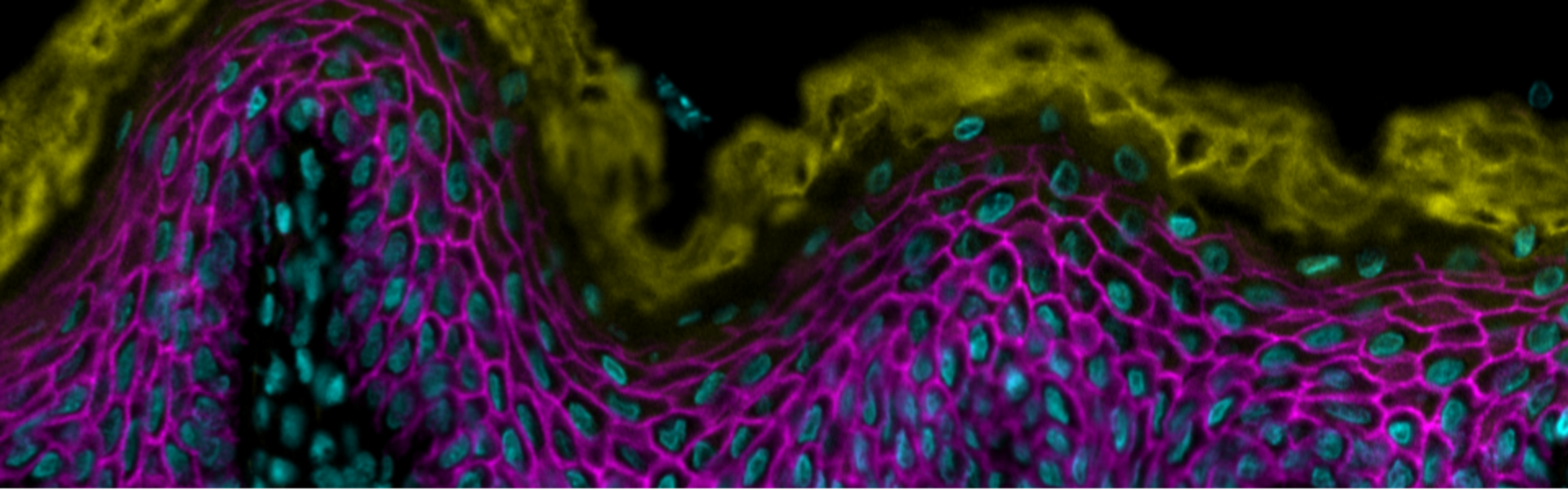
Research Goal
Our second goal is to understand the unique barriers to curing individuals living with HIV-1 in sub-Saharan Africa. HIV-1 remains incurable due to the stable integration of viral DNA into the host genome. We are working to characterize persistent HIV-1 infection in Uganda, and plan to test HIV-1 cure strategies as they become available.
News and more
Summer 2026
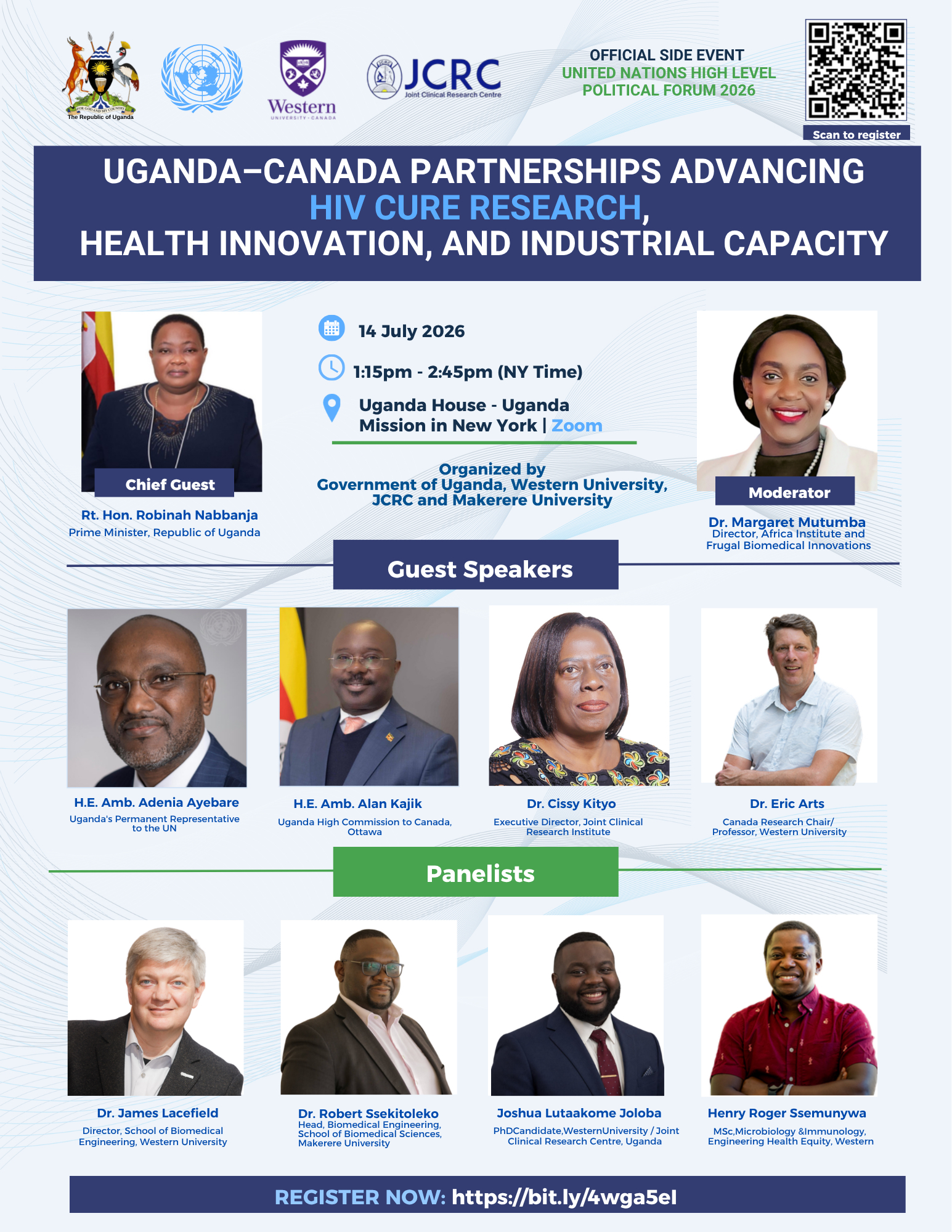
UGANDA–CANADA PARTNERSHIPS ADVANCING HIV CURE RESEARCH, HEALTH INNOVATION, AND INDUSTRIAL CAPACITY
Monday, July 13th 2026
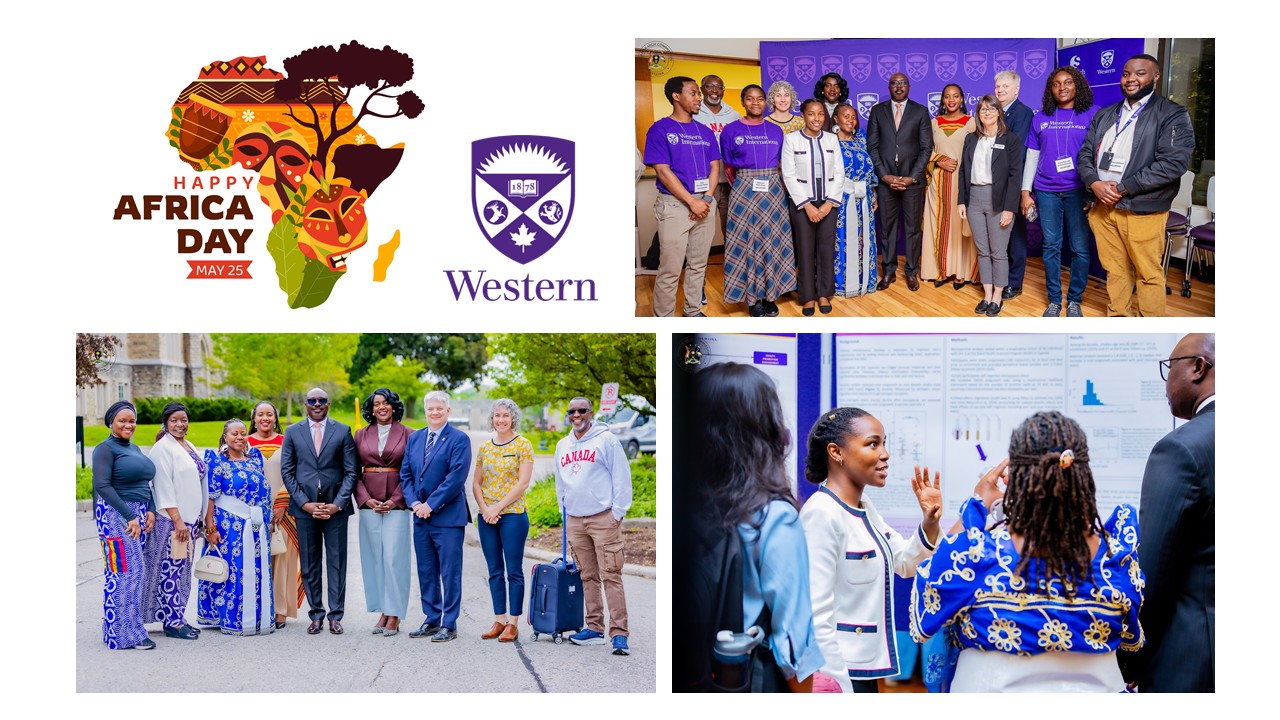
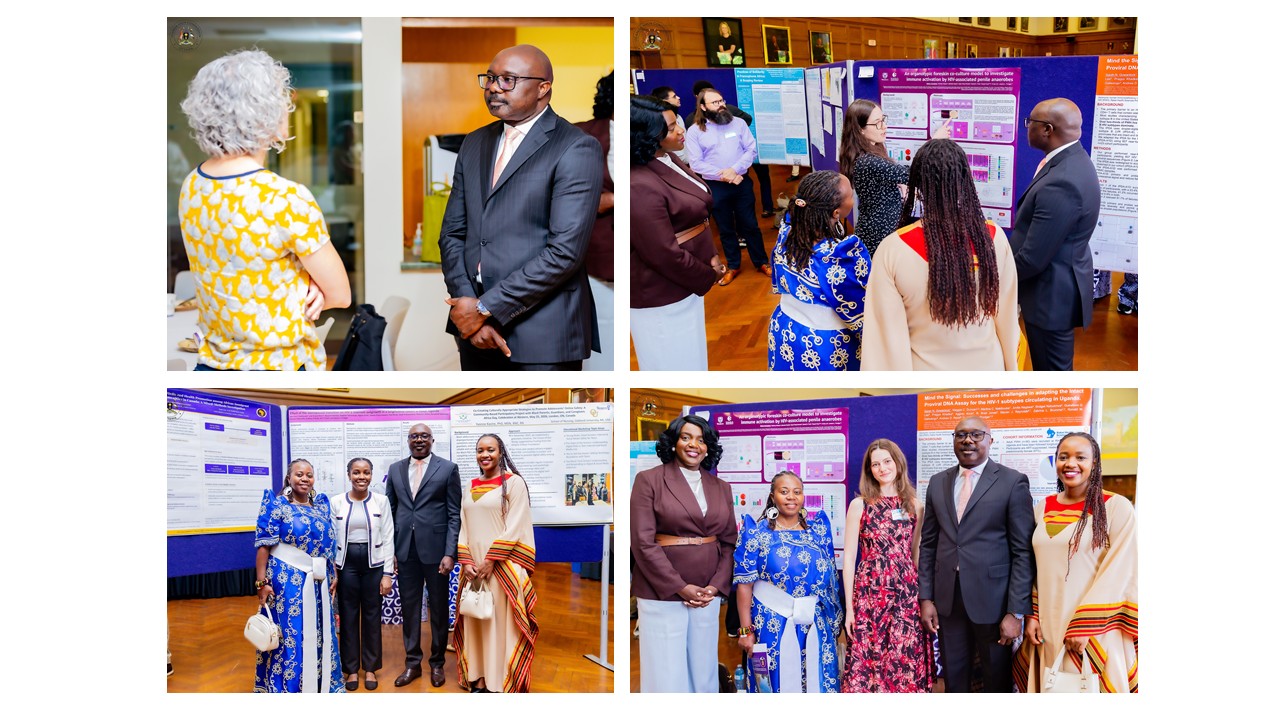
Africa Day Celebration, Western University, London, Ontario
Western University hosted a celebration of Africa Day on May 25, 2026.
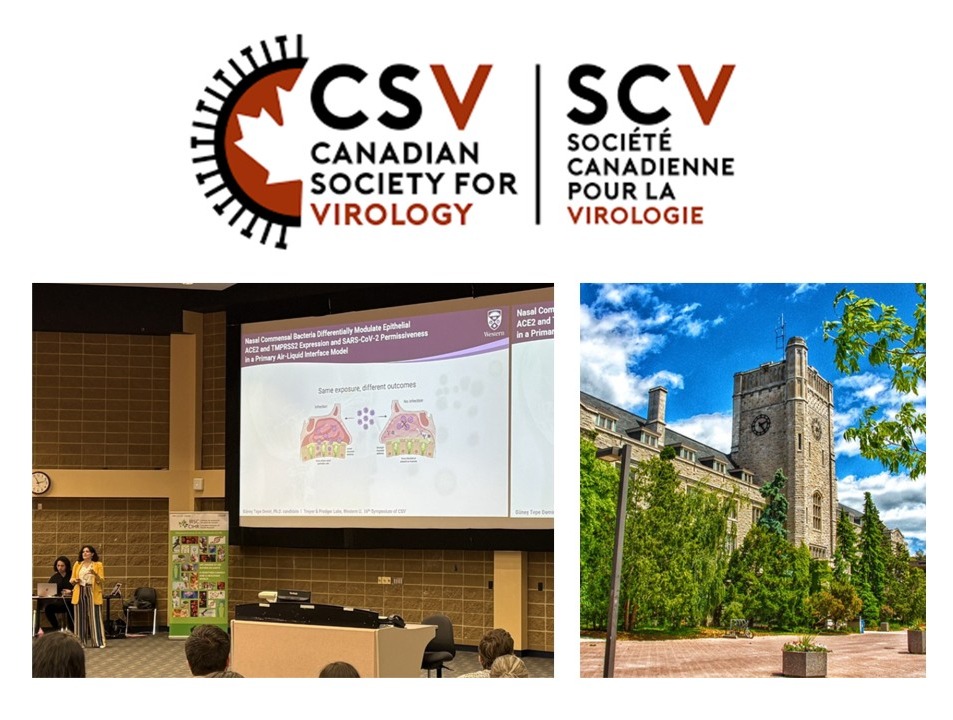
6th Symposium of the Canadian Society for Virology, CSV2026
Guelph University
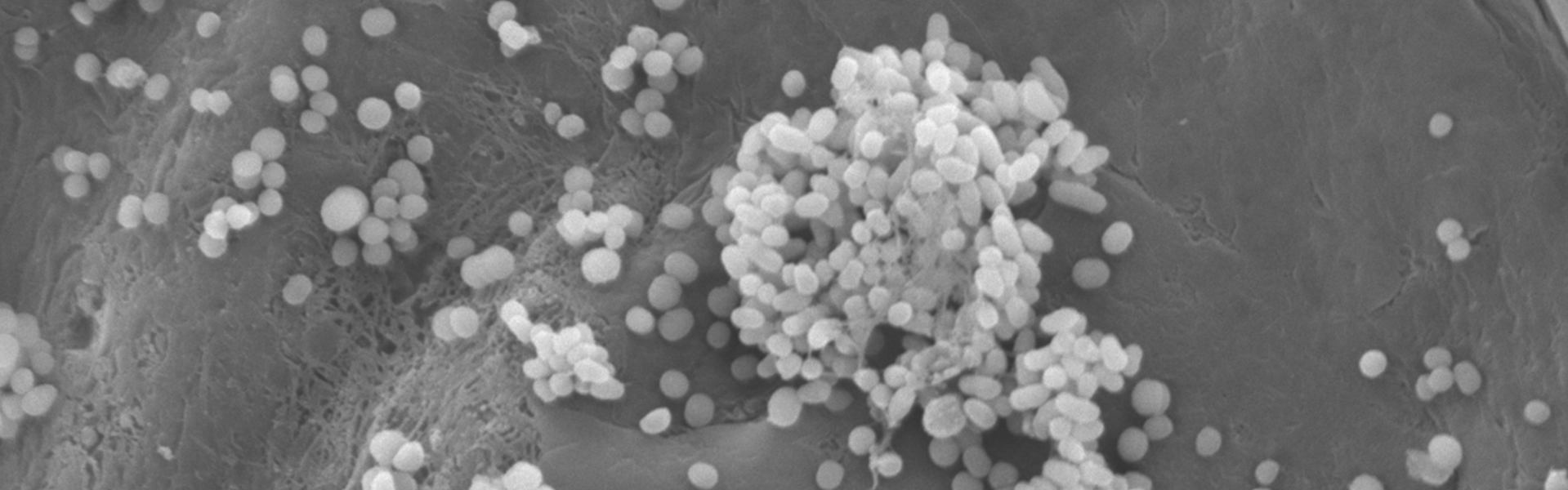
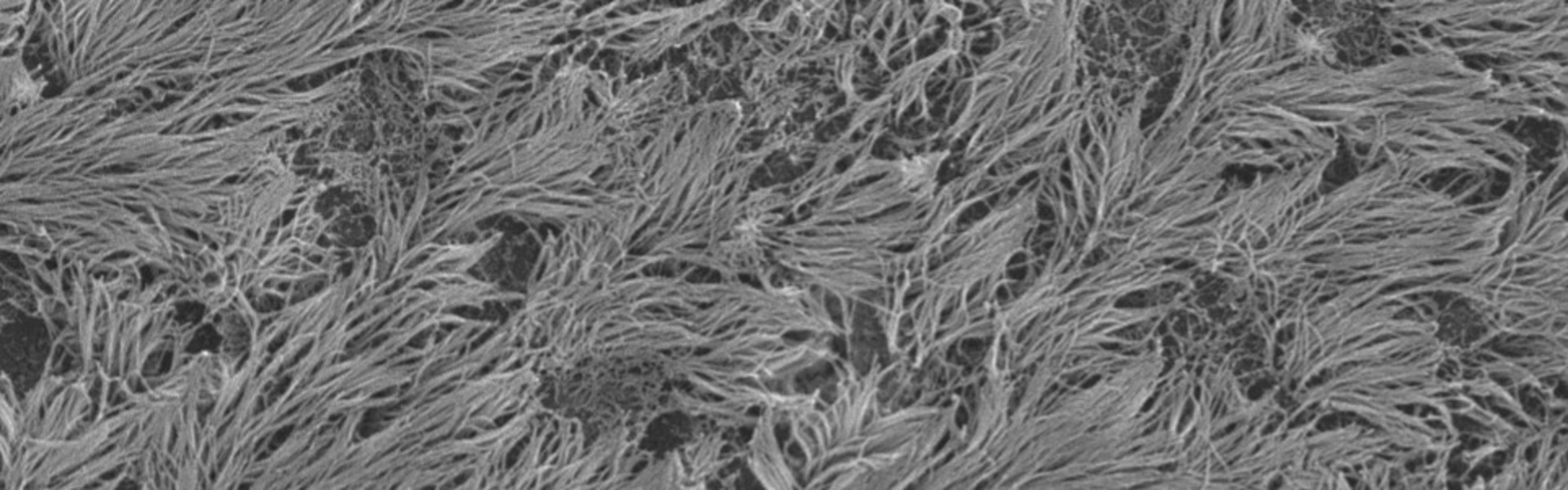
Nasal Commensal Bacteria Differentially Modulate Epithelial Cells
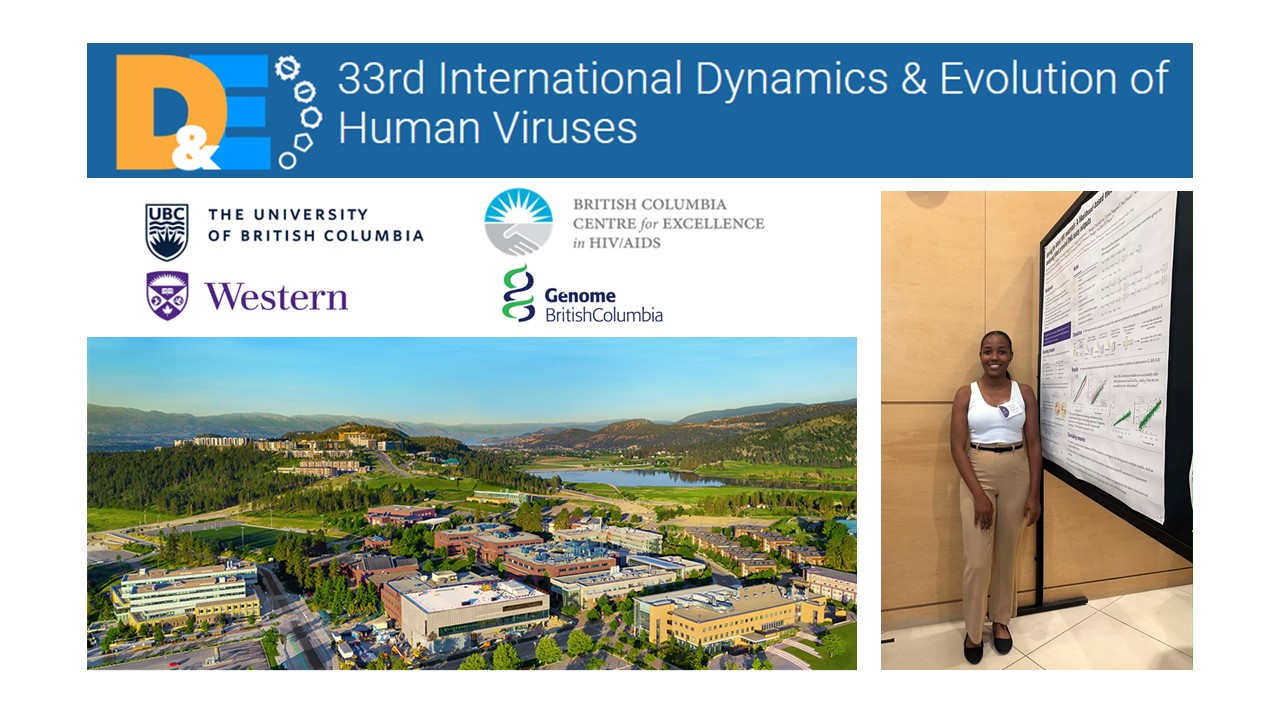
33rd International Dynamics & Evolution of Human Viruses Conference, University of British Columbia
PhD student, Martina Cathy Nakibuuka, presented her recent research findings on the latent HIV reservoir.
35th Canadian Conference on HIV/AIDS Research (CAHR 2026)
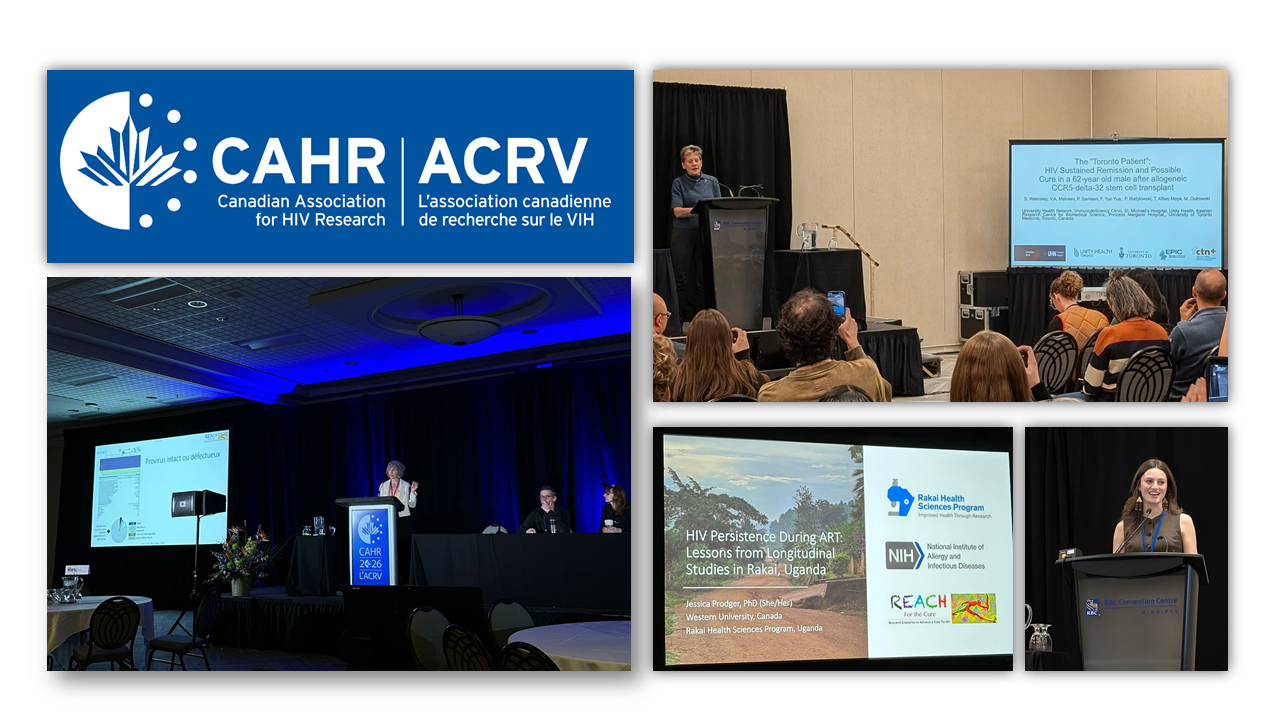
Source: https://www.youtube.com/watch?v=cCT1g505d8c
From billboards to the biology of HIV
PhD student Sarah Gowanlock is working to close gaps in HIV detection in Uganda, after modelling abroad helped shape her path

Western University to Uganda: Summer Internship
MSc student Henryroger Ssemunywa is working on human tissues and bioengineering this summer.

Partners
Rakai Health Sciences Program (RHSP)

Uganda has about 1.4 million people living with HIV, and 37,000-53,000 new infections annually. Uganda pioneered Africa's national AIDS program in 1986—supported by pioneering work from the Rakai Health Sciences Program (RHSP), which established one of the world's first population-based HIV cohorts—dramatically reducing the rates from over 20% in the 1990s through behaviour change and antiretroviral therapy (ART) scale-up, including a 64% drop in AIDS deaths since 2010. In Prodger Lab, we collaborate with the RHSP, a key Uganda-based group advancing HIV research and services. We aim to contribute to an HIV cure by targeting the latent reservoir and the microbiome-immune interactions to develop novel prevention and treatment strategies.
RHSP website: https://www.rhsp.org/
Women's College Hospital (WCH)

Women’s College Hospital (WCH) in Toronto hosts Canada’s first publicly funded hospital-based Transition-Related Surgery (TRS) Program, launched in 2019 to provide essential gender-affirming surgeries. In Prodger Lab, we collaborates with WCH TRS on innovative research, such as characterizing neovaginal microbiomes post-vaginoplasty to improve outcomes for transfeminine individuals. Our goal is to advance reproductive health and gender-affirming care through microbiome-immune system insights. Check out our TransBiota Facebook page for more information about these studies!
WCH website: https://womenscollegehospitalfoundation.com/
TransBiota news: https://www.facebook.com/share/1BzAKAjpVh/?mibextid=wwXIfr
Featured publications
Authors: Shirley Constable, Yasamin Minazadeh, Lane B Buchanan, Henryroger Ssemunywa, Ronald M Galiwango, Rupert Kaul, Jessica L Prodger
Description: Genital microbiome dysbiosis is an important risk factor for the sexual acquisition of human immunodeficiency virus (HIV) in both the male and female genital tracts. The vaginal, penile and urethral mucosae are distinct microenvironments with characteristic microbiome compositions. However, all three sites can be colonised by a group of strictly anaerobic bacteria that are strongly associated with mucosal inflammation and HIV risk. Our understanding of the relationship between genital anaerobes and HIV acquisition has largely focused on mucosal target cell density and activation. Yet, genital anaerobes disrupt epithelial barrier integrity, a crucial component of mucosal defence.
Estimating HIV-1 Viremic Time from Reservoir Sequence Diversity with Uncertainty Quantification
Authors: Edward N Kankaka, Stephen Tomusange, Taddeo Kityamuweesi, Gabriel Quiros, Nicholas DiRico, Adam A Capoferri, Owen Baker, Erin E Brown, Jernelle Miller, Sharada Saraf, Charles Kirby, Briana Lynch, Jada Hackman, Craig Martens, Thomas C Quinn, Eileen P Scully, Amjad Khan, Art FY Poon, Jessica L Prodger, Ronald M Galiwango, Steven J Reynolds, Andrew D Redd
Description: Accurate estimation of HIV viremic time is valuable for understanding reservoir dynamics, and informing cure trials. Traditional approaches rely on serological assays or CD4 counts, which can lack quantitative precision. Sequence-based estimates using diversity in pre-treatment plasma RNA address this limitation, but are increasingly limited in the era of immediate ART initiation. Source
Experiences and evidence of transfeminine people’s challenges with chronic, recurrent neovaginal malodor: a cross-sectional qualitative study
Authors: Ainslie C Shouldice, Reeya Parmar, Hannah Wilcox, Aleena Ghafoor, Jorge Rojas-Vargas, Emery Potter, Deborah Penava, Jacques Ravel, Jessica L Prodger
Description: Penile inversion vaginoplasty, which uses penile and scrotal skin to surgically create a neovagina, is a medically necessary gender-affirming surgery for some transfeminine individuals. Much like cisgender women, roughly a third of transfeminine individuals who have undergone vaginoplasty report having experienced bothersome neovaginal malodor in the past 30 days. However, sources of neovaginal malodor remain unclear. This study sought to collect data on odour quality and characterize the experiences of transfeminine individuals with neovaginal malodor. Source
The Futility of Nugent Scoring as a Diagnostic Tool for Neovaginal Bacterial Dysbiosis in Transfeminine People
Authors: Jessica Prodger, Reeya Parmar, Bern Monari, Emery Potter, Jorge Rojas-Vargas, Hannah Wilcox, David Zuanazzi, Annabel Poon, Ainslie Shouldice, Vonetta Edwards, Yonah Krakowsky, Jacques Ravel
Survival and transmission fitness of SARS-CoV-2 over the time-of-flight in an aerosolization chamber
Authors: Yiying Zhang, Justin M Donovan, Dylan W Weninger, Victor Lam, Richard Gibson, Steven Renaud, Daniel Paquette, Alex Lescanec, Cody Hird, Christopher T DeGroot, Jessica L Prodger, Franco Berruti, Eric Savory, Eric J Arts
Penile microbiomes have important implications for HIV susceptibility and broader reproductive health
Authors: Rameen Jamil, Jessica L Prodger, Ronald M Galiwango, Cindy M Liu, Aaron AR Tobian, Rupert Kaul
Description: HIV is a major public health issue, with almost 40 million people currently living with HIV and 1.3 million new infections reported in 2024 [1]. Sub-Saharan Africa (SSA) accounts for over 50% of global cases, despite the considerable success of prevention programmes in the region [1]. Pre-exposure prophylaxis (PrEP) with antiretroviral medications reduces the risk of sexual HIV acquisition by over 90%, but rollout in SSA has been slow due to barriers such as stigma, high cost, lack of health infrastructure and low individual awareness of risk [2]. In addition, political pressures mean that global treatment and prevention programs are currently under great threat. Human cohort studies and animal models have shown that genital inflammation is a key determinant of HIV susceptibility in both men and women [3]. Proinflammatory cytokines and chemokines recruit HIV-target cells to the mucosa, including activated CD4+ T … Source
Google scholar
CONTACT US
Microbiology and ImmunologySchulich Medicine & Dentistry
Dental Sciences Building
Western University
London, Ontario
Dental Sciences Building
N6A5C1
Rm. 3007
t. 519.661.2111, ext. 84743
Email: jprodge@uwo.ca
Lab inquiries: yminazad@uwo.ca