
Translational Immune-Oncology Research
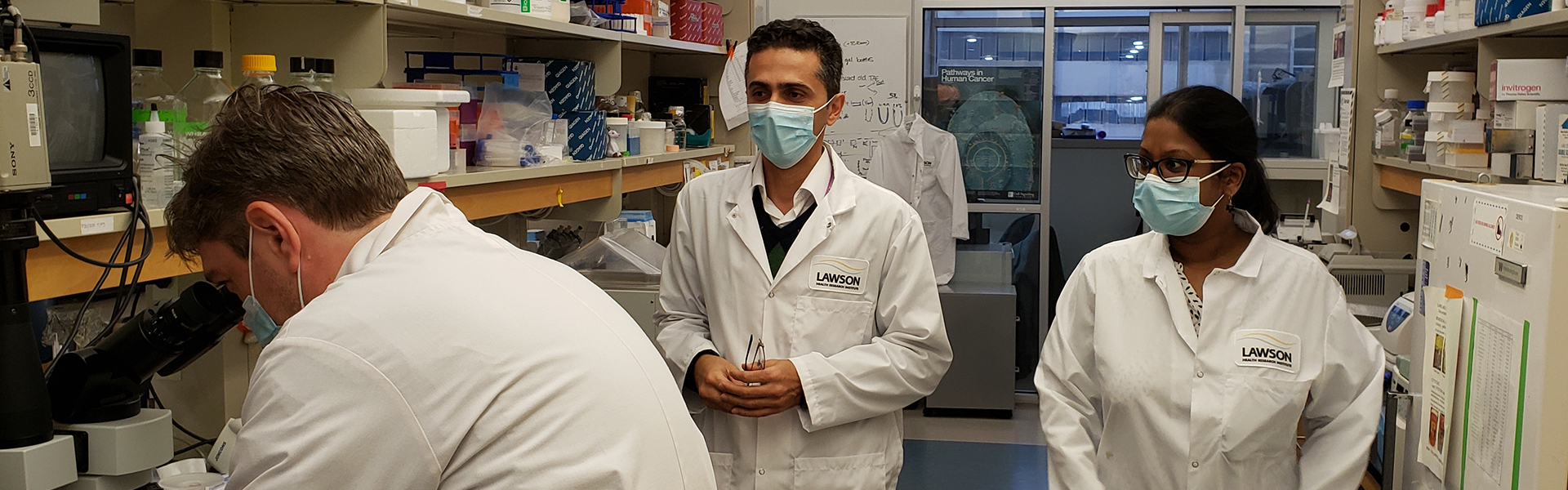
The Maleki Lab is a translational immune-oncology research group focused on developing new ways to sensitize hard-to-treat cancers to immunotherapy. Our work studies the interactions between immune cells, cancer cells, the tumour microenvironment, and the gut microbiome, with the goal of turning biological insight into better treatment strategies for patients.
A major focus of our research is understanding how anti-tumour T-cell responses can be strengthened across different cancer types. As a tumour-agnostic lab, we investigate immune-stimulatory mechanisms that may apply beyond a single disease site.
From discovery to clinical translation
Our research program connects laboratory science with patient-centred clinical investigation. We work closely with cancer patients and clinical teams, including medical oncologists, radiation oncologists, surgeons, infectious disease specialists, and research staff. This integrated model allows scientists and clinicians to learn from one another and design studies that are biologically meaningful and clinically relevant.
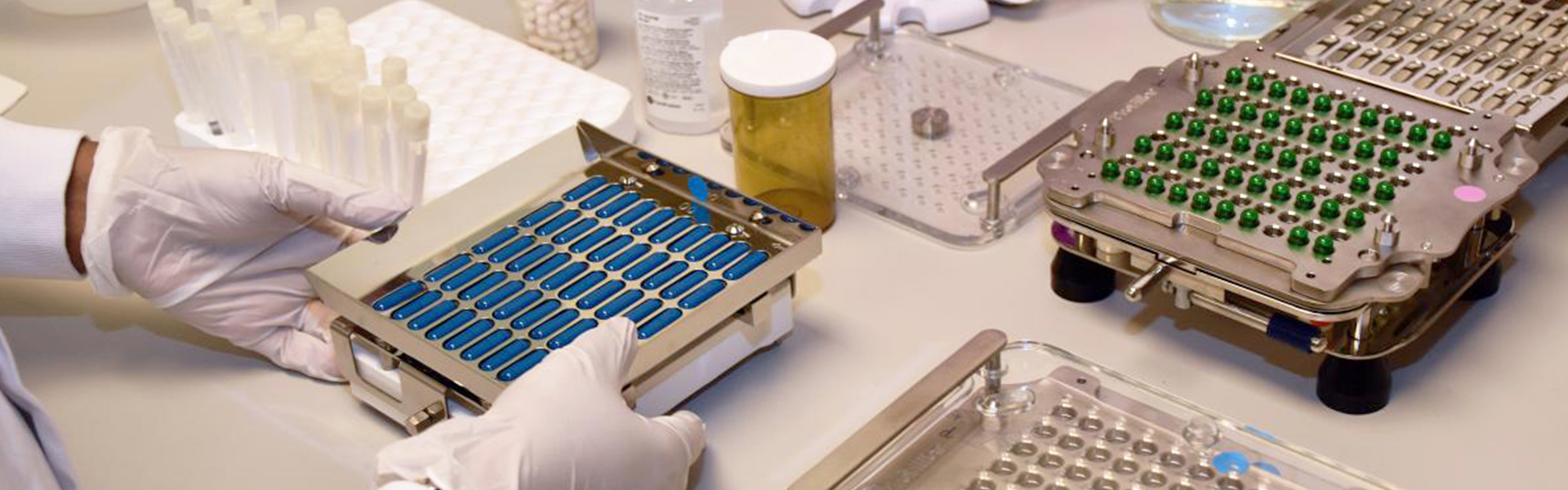
In addition to studying immune mechanisms in cancer, the lab investigates microbiome-based approaches, including fecal microbiota transplantation (FMT), as a strategy to improve responses to cancer immunotherapy. Through early-phase clinical trials and correlative immune and microbiome studies, we aim to better understand why some patients respond to treatment while others do not.
Research themes
Immune-oncology
Studying how immune cells recognize, respond to, and eliminate cancer cells.
T-cell biology
Identifying mechanisms that improve anti-tumour T-cell function across cancers.
Microbiome and FMT
Exploring how gut microbes and fecal microbiota transplantation may influence immunotherapy response.
Clinical trials
Translating scientific discoveries into early-phase, patient-focused clinical studies.
Lab culture
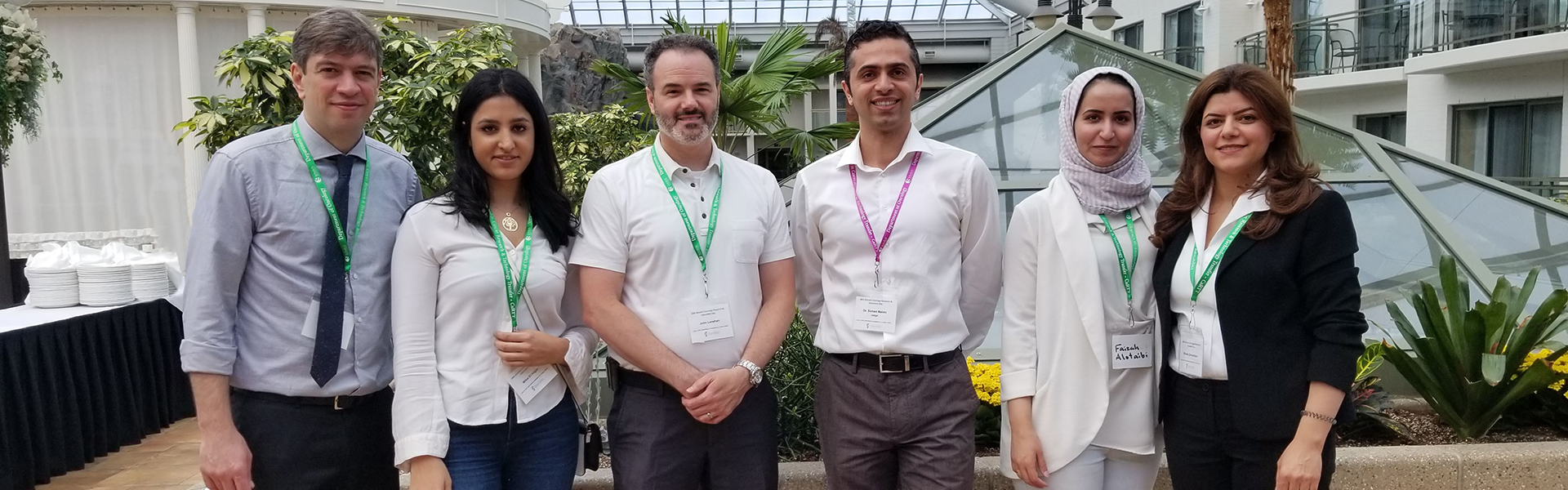
We believe science should be rigorous, collaborative, creative, and meaningful for patients. Our lab values curiosity, mentorship, teamwork, and close collaboration between Ph.D. scientists and clinicians. By working across disciplines, we aim to generate discoveries that can move from the bench to the clinic and ultimately improve outcomes for people with cancer.
A world with fewer cancers, better treatments, and more durable responses is a better world. We are working together toward that goal.
Interested in joining the lab?
We welcome inquiries from motivated trainees, students, clinicians, and research staff interested in immune-oncology, microbiome science, translational cancer research, and clinical trials. Opportunities may vary depending on current projects, funding, and supervision capacity.
Learn more on our Research Opportunities page.
CONTACT US
London Regional Cancer Program
Room A4-130A
Cancer Research Laboratory Program
790 Commissioners Rd. E.
London, Ontario
Canada N6A 4L6
t. 1.519.685.8500 ext. 55769
e. saman.malekivareki@lhsc.on.ca