The J. Allyn Taylor International Prize in Medicine - Schulich School of Medicine & Dentistry
Search Website

The J. Allyn Taylor International Prize in Medicine
One of Canada’s most prestigious medical research prizes
The J. Allyn Taylor International Prize in Medicine
One of Canada’s most prestigious medical research prizes
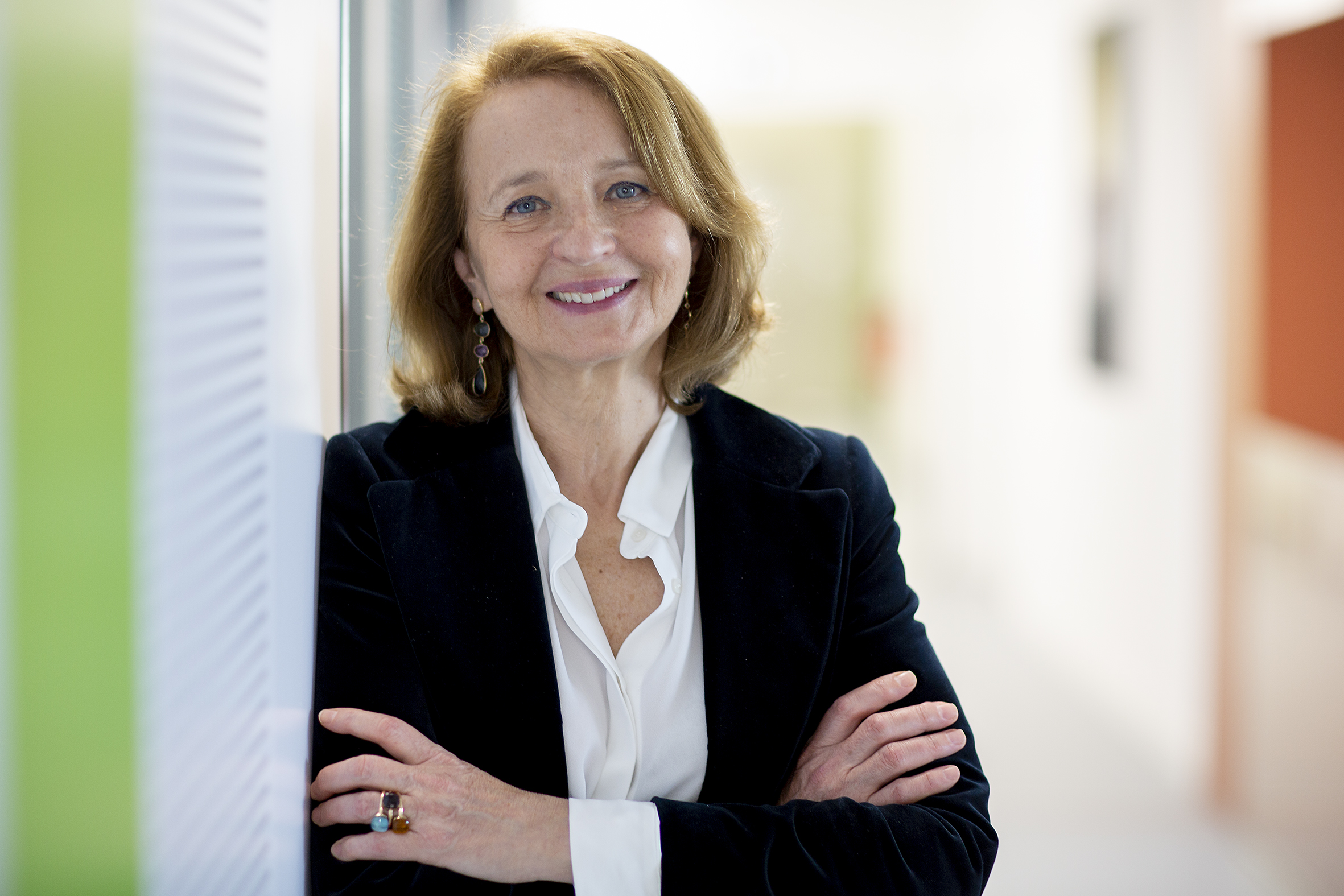
Meet the 2026 Laureate
Dr. Marina Cavazzana
Dr. Marina Cavazzana is a paediatrician and Professor of Hematology at Institute Imagine in Paris, France.
Dr. Cavazzana's groundbreaking work in gene therapy includes leading the first team to successfully use genetically corrected hematopoietic stem cells to treat infants with severe combined immunodeficiency (SCID-X1) and becoming the first physician in the world to successfully treat sickle cell disease using gene therapy.
Throughout her career, Dr. Cavazzana has embodied the principle that biomedical progress must align with unwavering ethical standards. Her integrity, empathy and communication skills exemplify the standard of excellence the Taylor Prize was created to celebrate.
2026 theme
Discovery and application of gene therapy
The 2026 Taylor Prize honours pioneering advancements in gene therapy and gene editing, recognizing researchers who have redefined medicine by addressing disease at its genetic roots.
The theme encompasses gene addition and replacement, CRISPR and related editing tools, RNA-based strategies, delivery technologies, and breakthroughs that enhance safety and long-term impact.
Past
Laureates
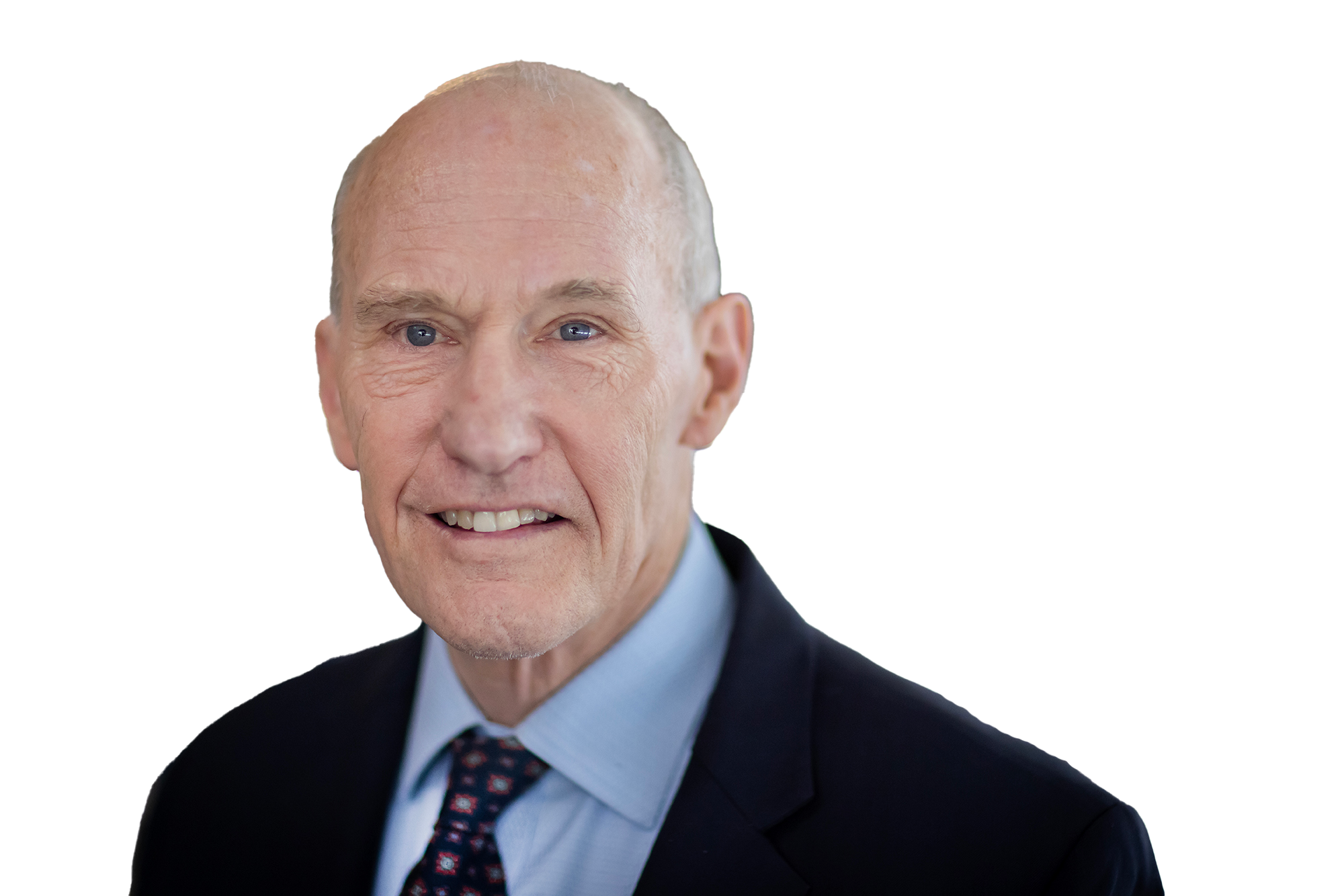
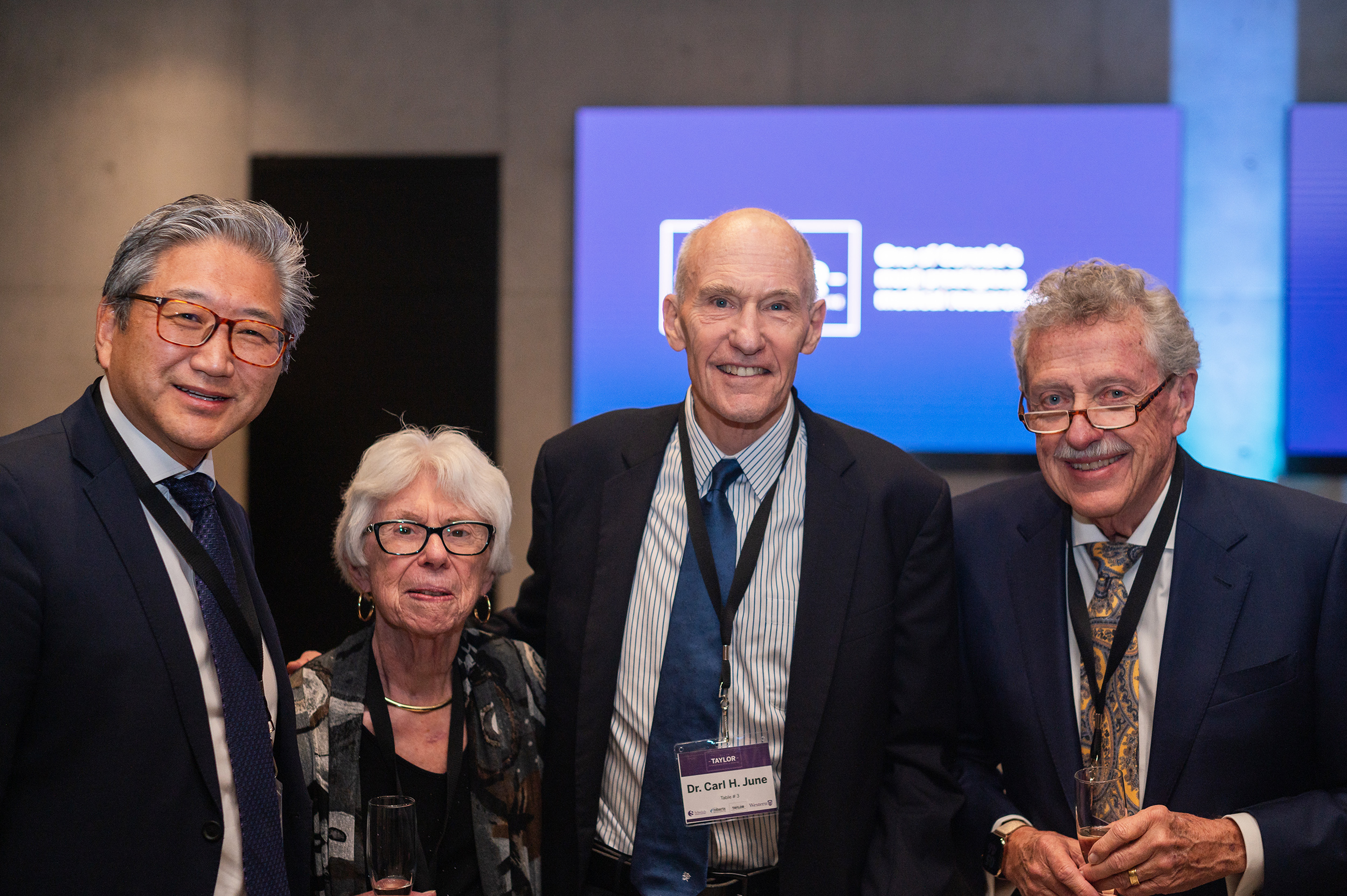
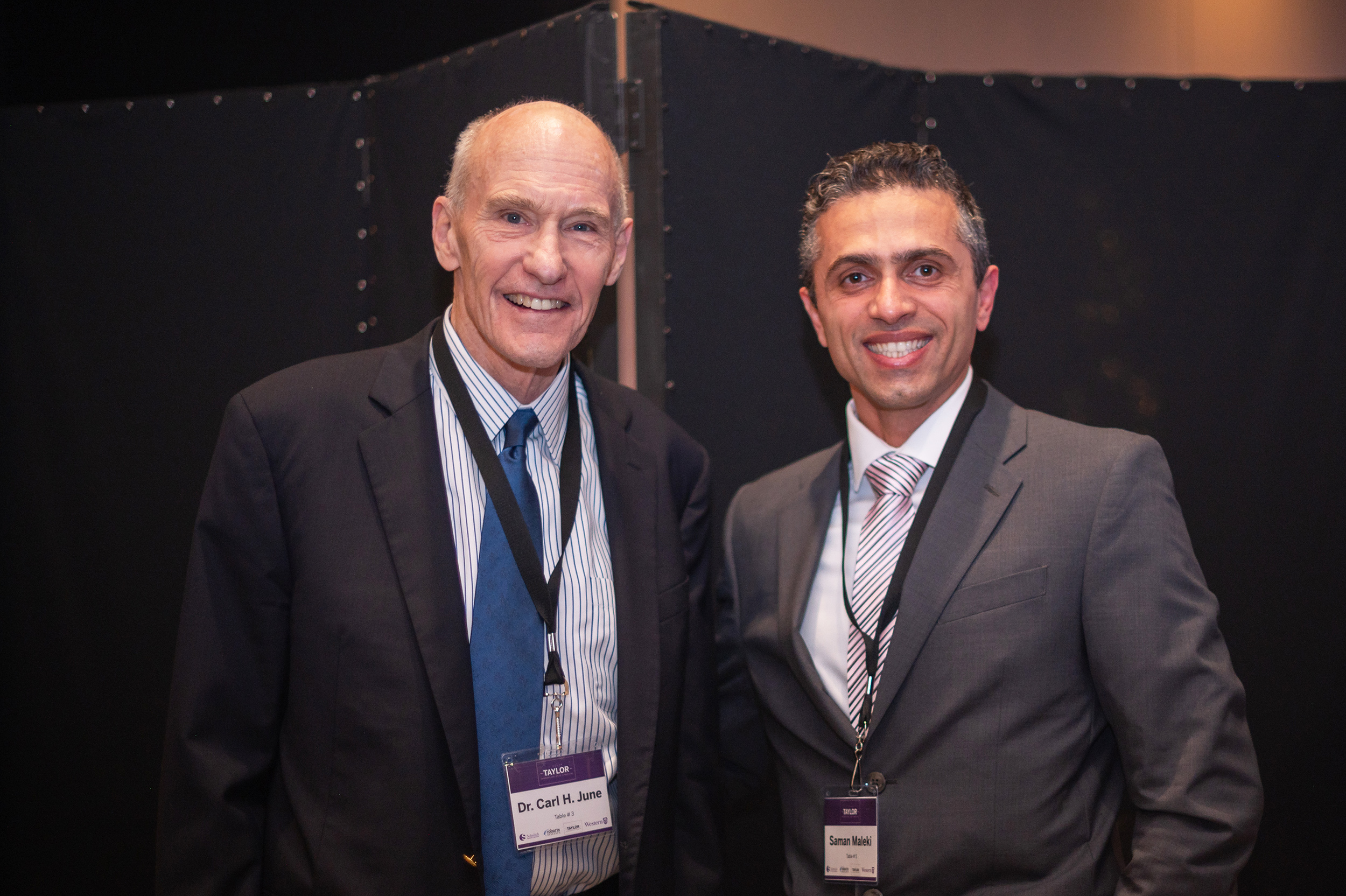
2025 | Dr. Carl H. June
Dr. Carl H. June is internationally recognized for pioneering CAR T-cell therapy, a revolutionary treatment that reprograms a patient’s own immune cells to target and destroy cancer. Once considered an improbable idea, this breakthrough has transformed oncology. CAR T-cell therapy is approved for multiple blood cancers, and Dr. June is advancing its potential for solid tumours and autoimmune diseases, offering new hope for patients facing life-threatening disease.
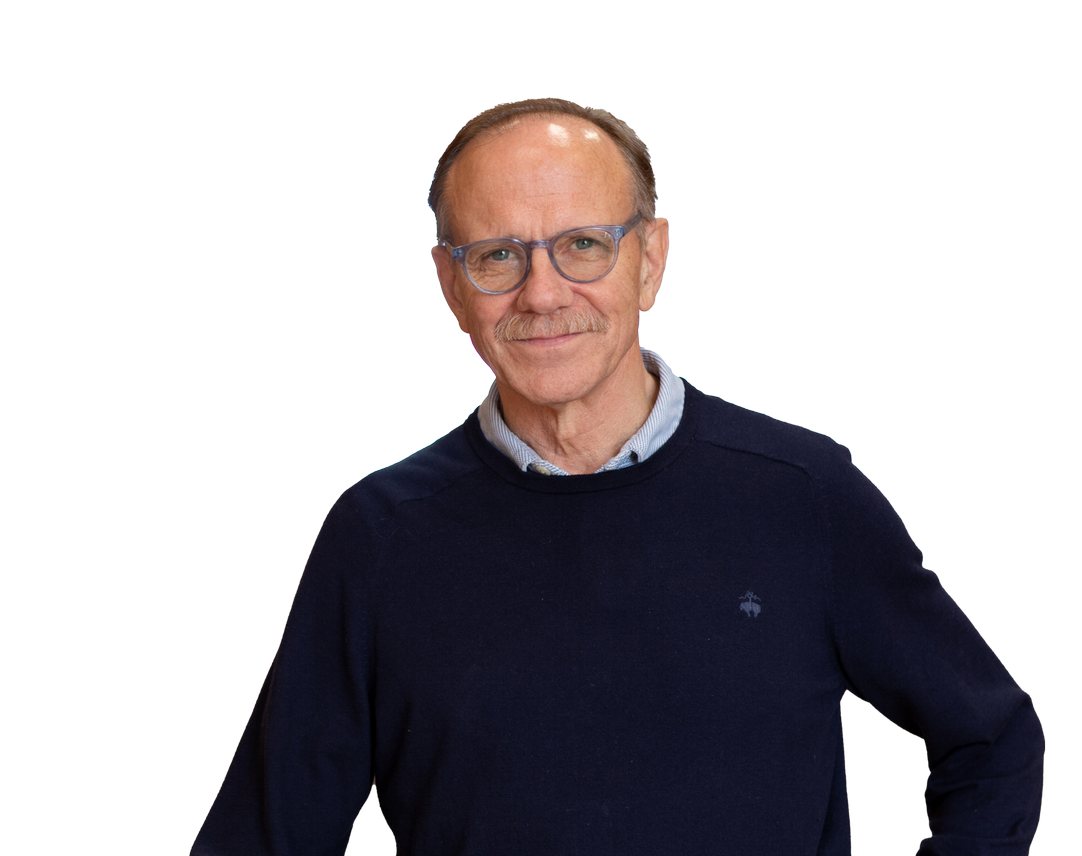
2024 | Fred “Rusty” Gage
In 1998, Fred "Rusty" Gage discovered the human brain’s ability to generate new neurons throughout life. The discovery, called neurogenesis, offers hope that the human brain's regenerative power can be the key to reversing or healing the damage caused by age-related diseases like Alzheimer's and Parkinson's.
About the Taylor Prize
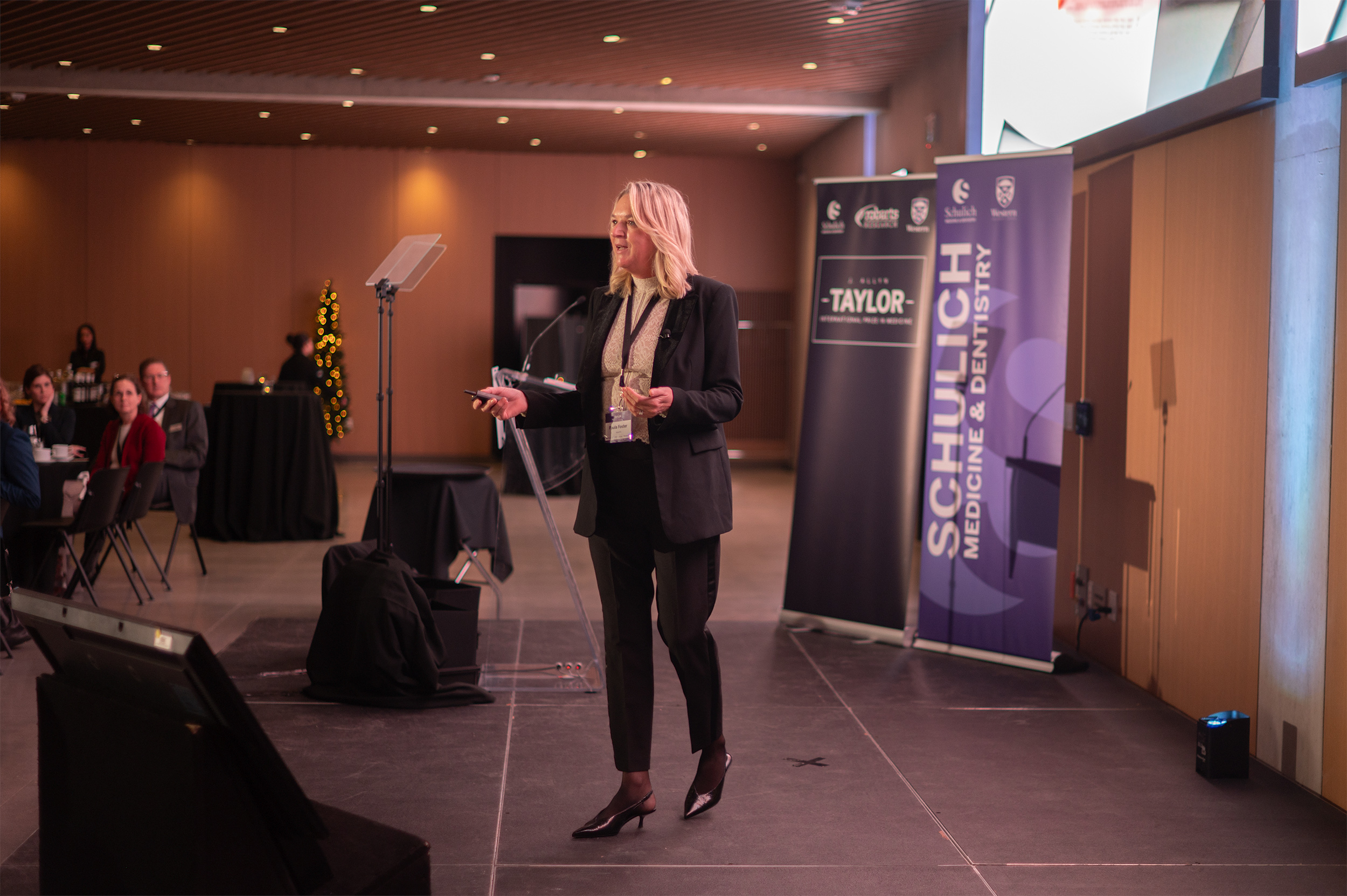
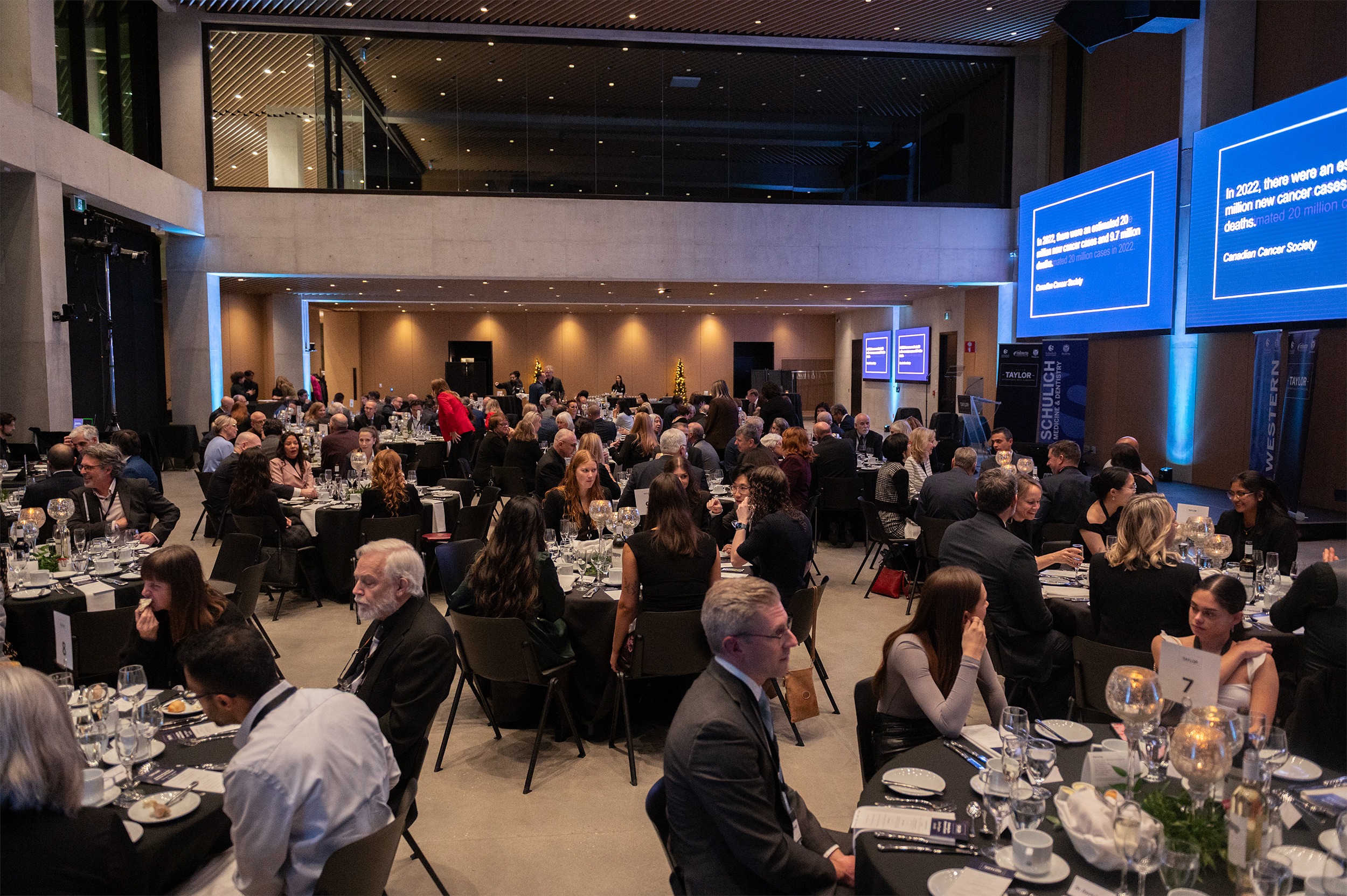
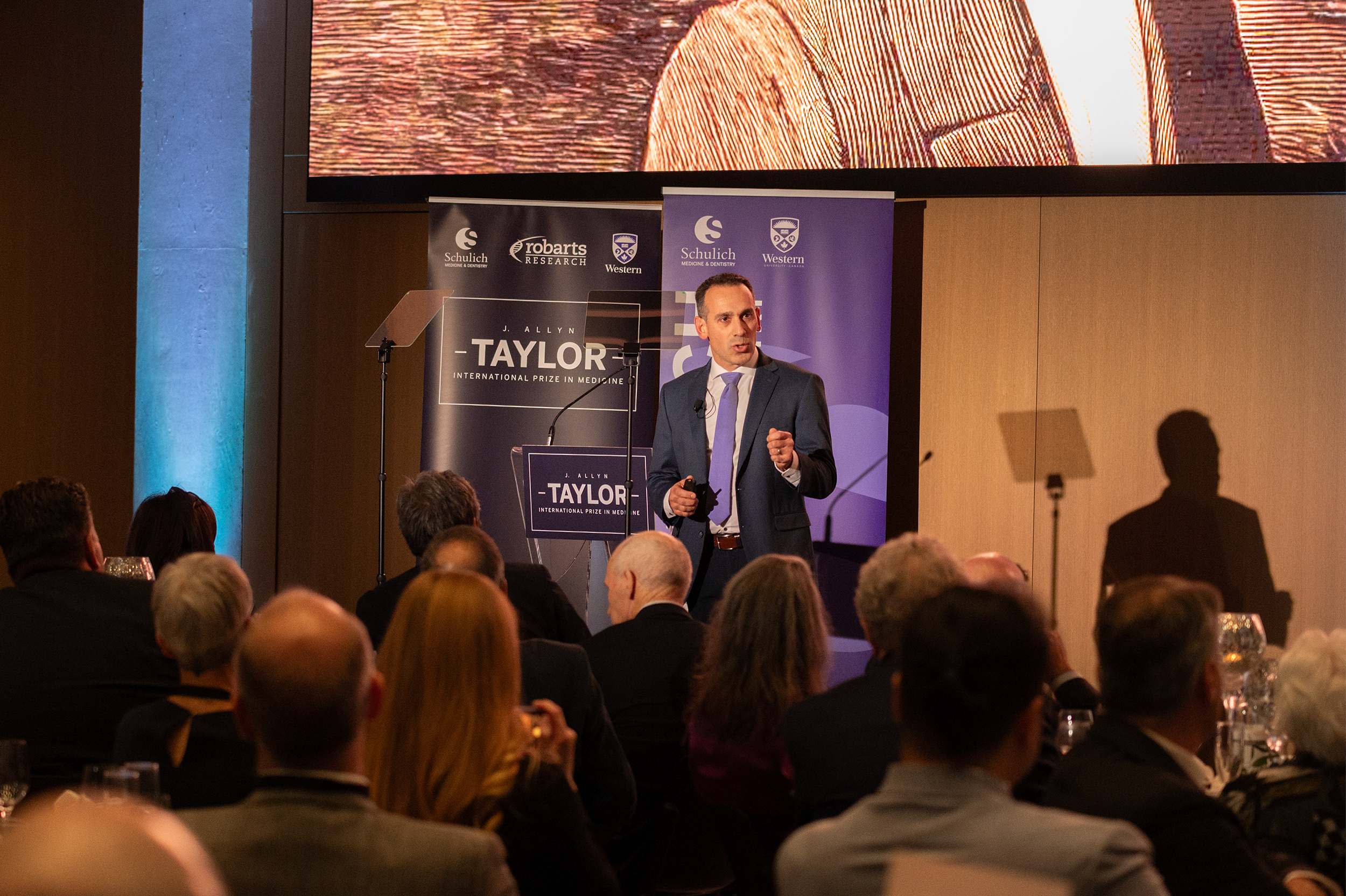
The J. Allyn Taylor International Prize in Medicine is one of Canada’s most prestigious medical research awards, with a distinguished roster of laureates that includes Gairdner and Nobel Prize recipients. Presented annually since 1985 by Western University’s Robarts Research Institute, the $50,000 prize recognizes outstanding achievements in basic or clinical research. It is supported by the C. H. Stiller Memorial Foundation and the late J. Allyn Taylor's family.